







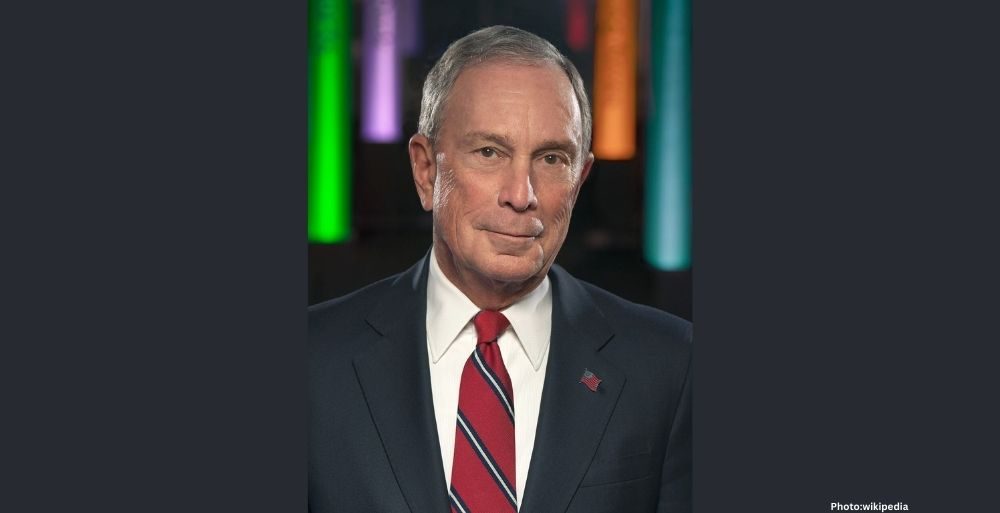
In a record-breaking year for ultra-high-net-worth giving, America’s top 50 philanthropists committed $22.4 billion to charitable causes in 2025, a massive increase over the previous year. While tech legends Bill Gates and the late Paul Allen secured the second and third rankings, media mogul Mike Bloomberg retained the top position for a third consecutive year, driven by a $4.3 billion commitment to public health, education, and the environment.
The landscape of American philanthropy reached a new peak in 2025, as the nation’s wealthiest donors accelerated their pace of giving amidst a volatile but resilient global economy. The Chronicle of Philanthropy’s annual “Philanthropy 50” report reveals a significant 35% jump in major commitments compared to an inflation-adjusted $16.6 billion in 2024. The data underscores a growing concentration of wealth in the nonprofit sector, where a small handful of individuals are increasingly responsible for the lions’ share of funding for hospitals, universities, and private foundations.
Topping the list once again is former New York City Mayor Mike Bloomberg, whose $4.3 billion in donations focused heavily on arts, public health, and climate change initiatives. This latest round of giving brings his lifetime contributions to over $25 billion, positioning him as one of the most prolific donors in modern history. Bloomberg’s lead was substantial, outstripping the next closest donor by more than $500 million and accounting for nearly 20% of the entire Philanthropy 50’s total.
The Microsoft Legacy: Gates and the Allen Estate
Microsoft co-founder Bill Gates secured the second spot, committing $3.7 billion to the Bill & Melinda Gates Foundation. Gates, who has recently pledged to give away virtually his entire fortune by 2045, remains a pillar of global health and agricultural development. His appearance at the top of the list is a perennial fixture, as he continues to fulfill his public commitment to the Giving Pledge, a pact among billionaires to donate the majority of their wealth to charitable causes.
The third spot was occupied by the estate of the late Paul Allen, the Microsoft co-founder who passed away in 2018. The $3.1 billion bequest from his estate was directed toward the newly established Fund for Science and Technology, a bold bet on bioscience and artificial intelligence for social good. This massive transfer of wealth represents one of the largest single-year bequests in history, highlighting the long-term impact that “estates in transition” can have on the philanthropic landscape.
Recipient Trends: Education and Medicine Reign Supreme
Consistent with historical trends first outlined in Andrew Carnegie’s 1889 “Gospel of Wealth,” the ultra-wealthy continue to favor established institutions. Higher education, medical research, and hospitals drew the largest gifts in 2025.
| Sector | Notable Gifts in 2025 | Total Impact |
| Science & Tech | Paul Allen Estate ($3.1B), Wharton School ($60M) | Over $3 Billion |
| Health & Research | Phil Knight ($500M for Cancer), Boston Children’s ($100M) | $1.5 Billion |
| Athletics | University Athletics ($600M), Olympic Aid ($100M) | $871 Million |
While these large-scale gifts are celebrated for their transformative potential, some experts express concern over the concentration of capital. Mike Bloomberg and the top 10 donors on the list accounted for nearly three-quarters of the total $22.4 billion given. This concentration suggests that while the dollar amounts are rising, the donor base at the very top is shrinking, making the nonprofit sector increasingly dependent on the personal priorities of a few individuals.
The “Savings Account” Phenomenon: Donor-Advised Funds
A significant portion of the money pledged by the top 50 donors—nearly $12 billion—flowed into private foundations and donor-advised funds (DAFs). Unlike direct grants to frontline charities, these funds often act as long-term savings accounts for philanthropy. By law, private foundations are only required to disburse approximately 5% of their assets annually.
Critics argue that this creates a “delay in impact,” where billions are committed but remain in investment accounts for years. However, proponents, including many of the repeat donors on the list, argue that these vehicles allow for strategic, multi-generational giving that can address complex global challenges like climate change and pandemic preparedness more effectively than one-off donations.
As the ultra-wealthy continue to navigate the 2026 fiscal landscape, the record-setting pace of 2025 sets a high bar. With the Gates Foundation announcing its intention to double its annual spending over the next two decades, the era of the “Mega-Gift” appears to be only just beginning.