






The escalation of conflict with Iran has triggered a global energy crisis, exposing a profound miscalculation by the Trump administration regarding Tehran’s willingness to weaponize the Strait of Hormuz. Despite internal warnings, top advisers dismissed the threat of maritime economic warfare, leading to a standstill in Persian Gulf shipping and a domestic scramble to contain spiking gasoline prices.
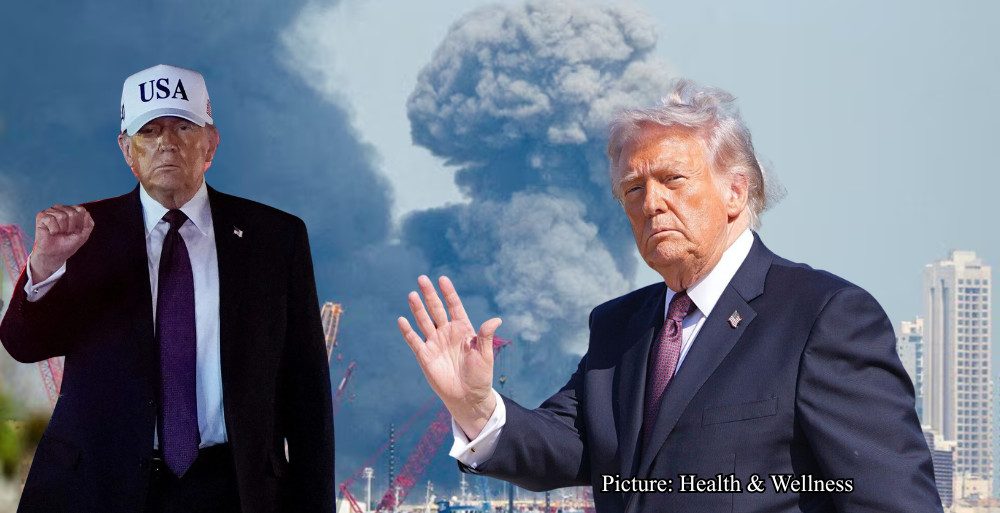
As the smoke cleared from the initial volleys of a widening Middle Eastern conflict, the Trump administration found itself confronting a reality it had largely dismissed in the weeks leading up to the war: the total paralysis of the world’s most vital energy artery. The current standoff in the Strait of Hormuz is not merely a military hurdle; it is the manifestation of a massive strategic misjudgment by President Trump and his inner circle, who gambled that Iran would respond to existential threats with the same relative restraint it showed during previous skirmishes.
The roots of this miscalculation trace back to mid-February. As the President weighed the costs of a preemptive strike, Energy Secretary Chris Wright projected a sense of unflappable confidence. In public interviews, Wright insisted that the looming hostilities would likely have a negligible impact on global oil markets, citing the brief “price blip” that followed U.S. and Israeli strikes against Iran the previous June. This sentiment was echoed in private by a cadre of advisers who believed that the “decapitation” of Iran’s senior leadership would pave the way for a more pragmatic, submissive regime. Instead, the administration’s maximalist goals have been met with a ferocious, asymmetric response that has brought nearly 20% of the world’s oil supply to a grinding halt.
The Choke Point Crisis
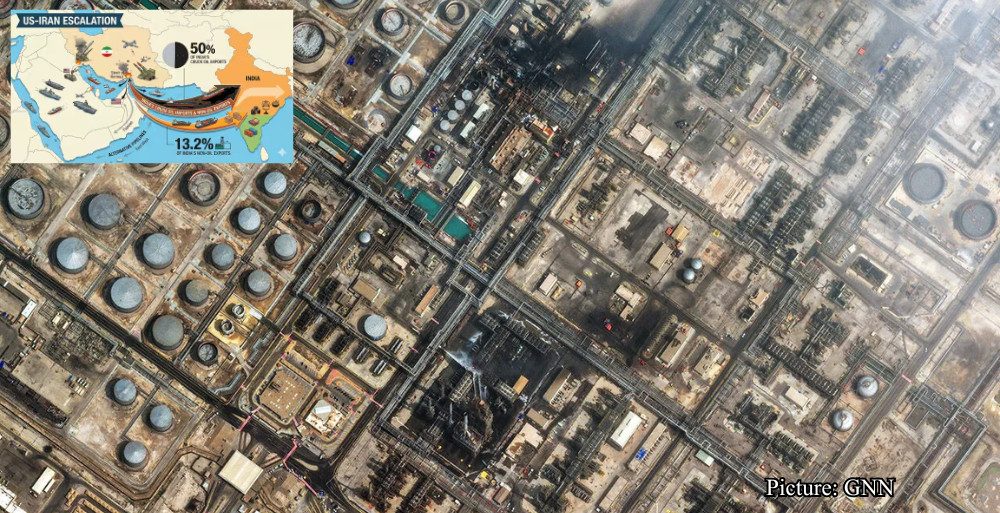
The Strait of Hormuz, a strategic narrow waterway through which all maritime traffic from the Persian Gulf must pass, has become the theater for Iran’s most effective counter-offensive. Following Iranian threats to fire upon commercial tankers, international shipping companies have effectively abandoned the Gulf. The resulting spike in crude prices has rippled through the American economy, forcing the administration to pivot from war-footing to crisis management as gasoline prices climb ahead of the midterm elections.
The intensity of Iran’s reaction has reportedly caught the Pentagon off guard. Unlike the 12-day conflict in June, Tehran is now utilizing a sophisticated mix of ballistic missiles, long-range drones, and naval mines. The U.S. military recently reported the destruction of 16 Iranian mine-laying vessels, an indicator of the “desperation” Defense Secretary Pete Hegseth attributes to the regime. However, critics argue that “desperation” is a poor substitute for a strategy. Senator Christopher S. Murphy, a Democrat from Connecticut, noted after a classified briefing that the administration appeared to have no coherent plan to reopen the Strait safely, leaving the global energy market in a state of high-stakes limbo.
A Fractured Command Message
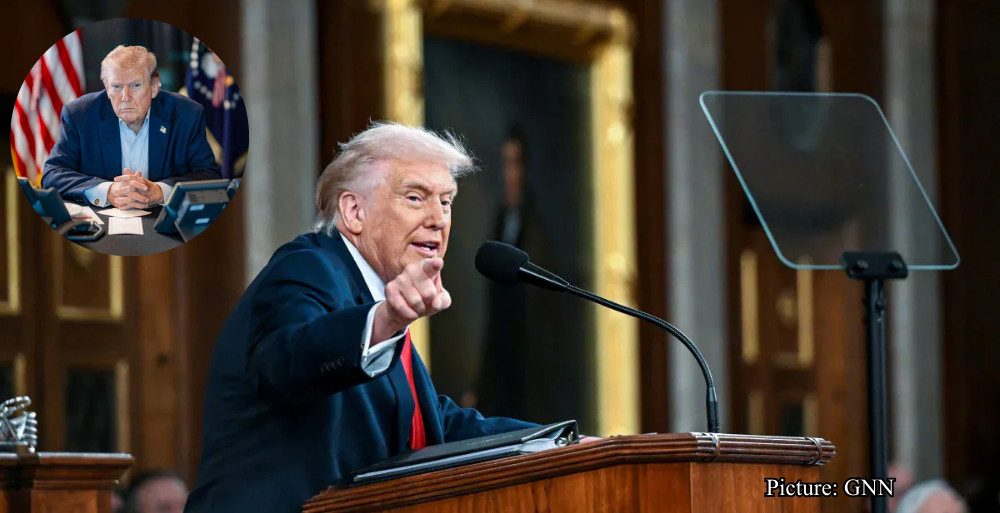
Within the White House, the lack of a unified “off-ramp” has created a visible friction between the President’s rhetoric and the tactical realities described by his cabinet. President Trump has maintained a maximalist stance, insisting that the military operation is a “complete success” and demanding that Iran install a leader who will “submit” to American terms. At the same time, Secretary of State Marco Rubio and Secretary Hegseth have attempted to narrow the definition of victory to three discrete, attainable goals: the destruction of Iran’s missile launchers, the elimination of missile production facilities, and the neutralization of the Iranian Navy.
This messaging gap has left markets—and allies—uncertain about the war’s duration. The President has oscillated between claiming the war is “pretty much” complete and warning that it could drag on for months. This lack of discipline was underscored by a social media blunder from Energy Secretary Wright, who prematurely claimed the U.S. Navy had successfully escorted a tanker through the Strait. The post caused a temporary market rally, only to be deleted 48 hours later when it was revealed no such escort had occurred, sending oil prices back into a volatile surge.
The Cost of a “Sequel” War
The financial toll of the conflict is also coming into sharper focus. Pentagon officials recently disclosed to lawmakers that the U.S. military expended $5.6 billion in munitions during the first 48 hours of the war alone—a burn rate that far exceeds previous estimates. While the administration argues that these costs are necessary for “long-term gain,” the rapid depletion of high-end ordnance is raising concerns about the military’s readiness for other global contingencies.
To mitigate the political fallout of rising energy costs, the President has suggested that Venezuelan oil production could act as a buffer, and the administration fast-tracked the opening of a new refinery in Texas. However, energy analysts remain skeptical that these measures can offset the immediate loss of Persian Gulf exports. As Ali Larijani, Iran’s top national security official, defiantly proclaimed, the Strait will either be a path of “prosperity for all” or a site of “suffering for warmongers.”
For an administration that prides itself on economic leverage and “America First” energy independence, the current crisis serves as a stark reminder that in the Middle East, the line between a surgical strike and a global economic shock is razor-thin. The President’s demand for tanker crews to “show some guts” and sail through mine-laden waters suggests a growing frustration with a conflict that refused to follow the script written in Washington.