







A significant heat wave in the Western United States and the looming prospect of an El Niño event are raising alarms about a year filled with unpredictable and extreme weather conditions.
As the United States braces for what experts predict could be a year of extreme weather, a combination of a severe heat wave in the West and the potential development of an El Niño phenomenon is at the forefront of concerns. The National Oceanic and Atmospheric Administration (NOAA) has highlighted the likelihood of erratic weather patterns driven by these climatic factors, which may lead to both increased precipitation in certain regions and extended heat waves in others.
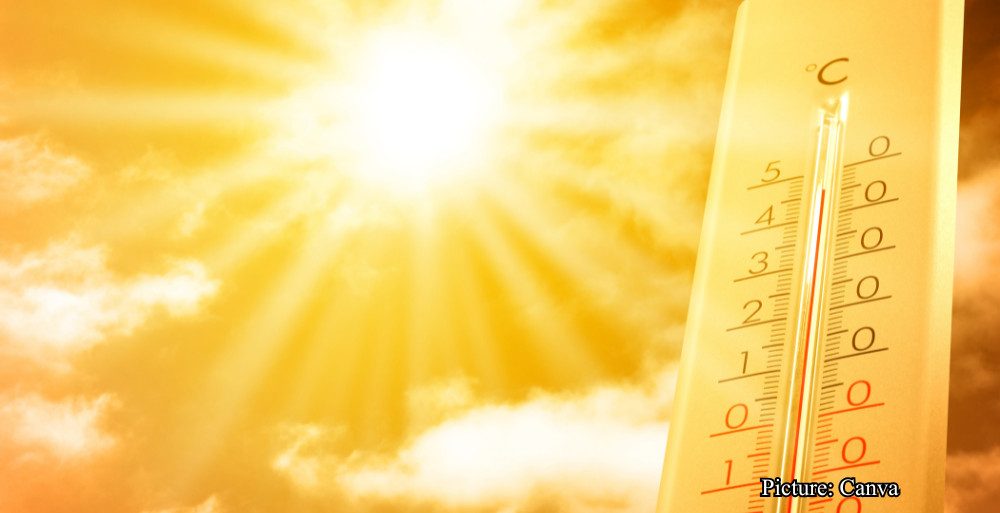
The current heat wave, described as one of the most intense in recent memory, is affecting millions of residents across states including California, Nevada, and Arizona. Meteorologists are warning that soaring temperatures, which have consistently exceeded seasonal averages, could have far-reaching consequences. These include heightened energy demands as air conditioning usage surges, increased risks of wildfires, and potential heat-related health crises among vulnerable populations.
Understanding El Niño and Its Impacts
El Niño is a recurring climate pattern characterized by unusually warm ocean temperatures in the central and eastern Pacific. This phenomenon has significant global weather implications. During previous El Niño events, such as the one from 2014 to 2016, the southern United States experienced heavy rainfall, while the western states grappled with drought conditions. NOAA’s Climate Prediction Center has indicated a greater than 70% likelihood of an El Niño developing in the coming months, with predictions suggesting its onset could occur as early as late summer 2025.
If an El Niño does materialize, it could drastically alter typical weather patterns across the United States, complicating agricultural planning and emergency preparedness efforts. The potential for increased rainfall in the southern states might help alleviate drought conditions, while the West could see exacerbated heat and aridity, further straining water resources.
Historical Context of Weather Extremes
The United States has a complex history of weather-related disasters, particularly as climate change continues to reshape precipitation and temperature patterns. The years 2020 and 2021 were marked by catastrophic wildfires across the West, driven by prolonged drought and high temperatures. In contrast, 2025, despite being documented as the third-hottest year on record, saw a relative absence of major climate disasters. Notably, there were no significant hurricanes making landfall, and the acreage burned in wildfires fell below the 10-year average.
This fluctuation in disaster frequency raises critical questions about how climate change is reshaping the predictability of weather events. Some scientists argue that increasing variability may lead to a greater number of extreme weather events, complicating our understanding of the relationship between climate patterns and localized weather phenomena. The stark contrast between the anticipated extreme weather and the relatively quiet climate disaster landscape of 2025 illustrates the complexities inherent in climate science and its predictive capabilities.
Implications for Policy and Preparedness
As policymakers prepare for the potential impacts of both the ongoing heat wave and a possible El Niño, there is an urgent need for comprehensive strategies to mitigate risks associated with extreme weather. This includes revisiting infrastructure resilience, enhancing water management systems, and ensuring that vulnerable populations are equipped to handle increased heat and variability in precipitation.
Local governments have begun implementing immediate measures to address these concerns, such as establishing cooling centers for residents without air conditioning and disseminating public health advisories to mitigate the effects of heat exposure. However, experts stress that a long-term approach is necessary to adapt to ongoing changes in climate dynamics. This includes investing in sustainable infrastructure, improving emergency response systems, and promoting community awareness and preparedness.
In light of these developments, the public is urged to stay informed about weather forecasts and local advisories. As 2025 progresses, the interplay between the heat wave and El Niño will be closely monitored by meteorologists and climate scientists. Their goal is to provide timely and accurate information to help communities prepare for the challenges ahead. The implications of these weather patterns could have long-lasting effects on agriculture, energy consumption, and public health, making it imperative for individuals and communities to remain vigilant and proactive.
Collaboration and Community Engagement
Experts note that understanding and preparing for these climatic events requires collaboration across various sectors, including government agencies, private sector partners, and community organizations. This multifaceted approach will be essential to mitigate the impacts of extreme weather and build resilience against the growing threats posed by climate change. Enhanced communication strategies that involve local communities can foster a better understanding of risks and preparedness measures.
In conclusion, as the United States navigates this year marked by significant climatic challenges, the combined effects of the Western heat wave and the potential El Niño phenomenon underscore the pressing need for adaptive strategies. By integrating scientific insights with community engagement and policy planning, the nation can better equip itself to face the uncertainties of a changing climate.