






Saudi Arabia, Qatar and Oman mounted an intense, last-minute diplomatic push to prevent a potential US military strike on Iran, persuading President Donald Trump to pause and allow Tehran an opportunity to show restraint, a senior Saudi official has revealed. The coordinated Gulf effort was driven by fears that a US attack on Iran could unleash severe and uncontrollable consequences across the Middle East.
Speaking to AFP on Thursday on condition of anonymity, the Saudi official said the three Gulf nations engaged in what he described as “a long, frantic, diplomatic last-minute effort” to convince Trump to step back from military action. “We led a sustained push to urge President Trump to give Iran a chance to show good intention,” the official said, adding that diplomatic communication with both Washington and Tehran remains ongoing.
Rising Fears of Regional Escalation
The disclosure comes amid heightened tensions following Iran’s deadly crackdown on anti-government protests, which had prompted repeated warnings from Washington that military intervention remained an option. The situation triggered widespread concern among Gulf states that host key US military installations and assets, placing them at the frontline of any potential retaliation.
Earlier this week, some personnel were moved out of a major US military base in Qatar, while staff at US diplomatic missions in Saudi Arabia and Kuwait were advised to exercise heightened caution. These measures reflected mounting fears of a rapid escalation should the United States strike Iran.
“Iran has been very clear that it would retaliate against US military and shipping targets,” the Saudi official said, warning that “many US bases and strategic assets are located in the Gulf, which would inevitably put the entire region at risk.”
Gulf Mediation Behind Trump’s Shift
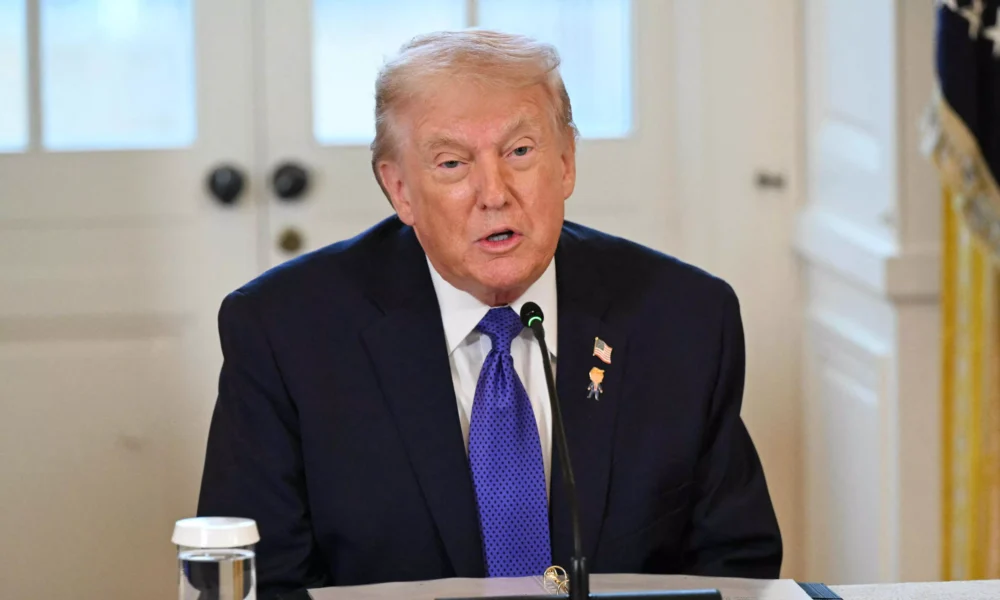
Despite issuing several threats of intervention, Trump ultimately changed course, publicly stating that he had received assurances from “very important sources on the other side” that Iran would refrain from executing demonstrators. Gulf officials say that reassurance was the result of sustained behind-the-scenes diplomacy rather than a sudden change of heart in Washington.
“Our objective was to avoid an uncontrollable situation in the region,” the Saudi official said. “We told Washington that an attack on Iran would open the way for a series of grave blowbacks across the Middle East.”
According to the official, the hours leading up to Trump’s decision were tense and exhausting. “It was a sleepless night to defuse more bombs in the region,” he said. “The communication is still underway to consolidate the gained trust and the current good spirit.”
Oman and Qatar’s Quiet Role
While Saudi Arabia’s involvement was more overt, officials said Oman and Qatar played a crucial behind-the-scenes role. Oman, long known for its discreet mediation between Iran and Western powers, was said to have relayed assurances and warnings to Tehran, while Qatar leveraged its close security ties with Washington to emphasise the risks of escalation.
Another Gulf official said a parallel message was conveyed directly to Iran. “The message was clear,” the official said. “Any attack on US facilities in the Gulf would have consequences for Iran’s relations with countries in the region.” The warning, officials believe, helped reinforce restraint on all sides.
A Fragile Pause, Not a Resolution
Despite the apparent success of the diplomatic intervention, Gulf leaders remain cautious. The Saudi official stressed that the current calm should be viewed as a pause rather than a resolution. “This is not the end of the crisis,” he said. “It is a moment to step back and reassess, but the risks have not disappeared.”
Analysts note that the episode highlights the growing diplomatic assertiveness of Gulf states, which are increasingly seeking to prevent their region from becoming a battlefield for larger geopolitical confrontations. “The Gulf countries understand that they would pay the highest price for a US-Iran war,” said a regional security expert. “Their intervention reflects a strong desire to shape outcomes rather than simply react to them.”
Regional Stakes Remain High
The United States maintains extensive military infrastructure across the Gulf, and Iran has repeatedly warned it would target those assets in the event of an attack. With shipping lanes, energy infrastructure and civilian populations at stake, Gulf leaders argue that restraint and dialogue remain the only viable path forward.
For now, Trump’s decision to “give Iran a chance” has eased immediate fears of conflict. But as diplomats continue their quiet shuttle talks, officials across the region acknowledge that stability remains fragile and dependent on continued engagement from all sides.