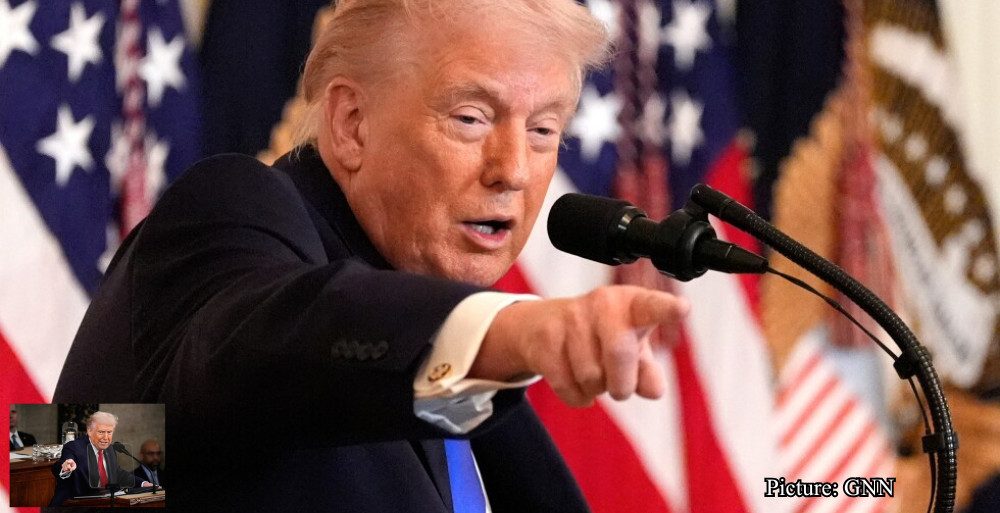






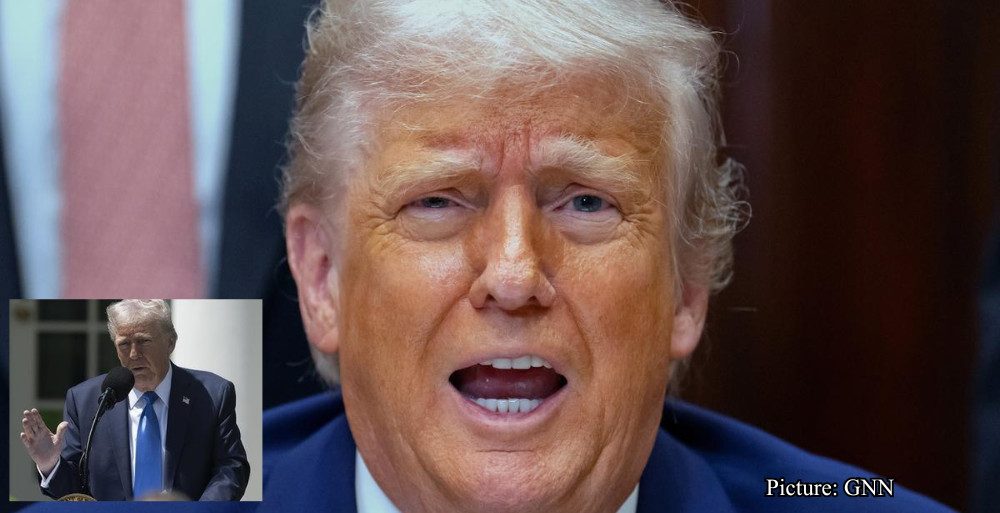
In a bold assertion during his State of the Union address, President Donald Trump claimed to have played a pivotal role in preventing a nuclear conflict between India and Pakistan, two nuclear-armed neighbors with a fraught history of military skirmishes and political tensions.
In the world of international diplomacy, few statements carry as much weight as those concerning nuclear conflict. During his State of the Union address, President Donald Trump made a striking claim: he had averted a nuclear war between India and Pakistan. This assertion, while dramatic, invites a closer examination of the geopolitical landscape of South Asia, the historical intricacies of Indo-Pak relations, and the role of the United States in mediating these tensions.
India and Pakistan have been at odds since their inception as independent states in 1947, following the partition of British India. This division, marred by communal violence and mass displacements, set the stage for a contentious relationship characterized by three major wars and numerous military standoffs. The most volatile aspect of their rivalry emerged in 1998 when both countries declared themselves nuclear powers, raising the stakes of any future conflict.
In February 2019, tensions escalated dramatically following a terrorist attack in Pulwama, Indian-administered Kashmir, which killed 40 Indian paramilitary personnel. India blamed Pakistan-based militant groups for the attack, leading to a series of retaliatory airstrikes by India and a subsequent aerial engagement between the two nations. The situation was perilously close to spiraling out of control, with both countries reportedly placing their nuclear forces on high alert.
President Trump’s claim of intervention comes amidst this backdrop. While the exact details of U.S. involvement remain classified, it is understood that the United States, along with other international actors, played a crucial role in de-escalating the situation. The Trump administration’s diplomatic efforts were reportedly focused on urging restraint on both sides, leveraging its strategic partnerships with both India and Pakistan to facilitate dialogue and reduce tensions.
Historically, the United States has maintained a complex relationship with both nations. During the Cold War, Pakistan was a key ally in countering Soviet influence in Afghanistan, while India, under its policy of non-alignment, maintained strategic autonomy. However, the post-Cold War era saw a shift, with the U.S. strengthening ties with India, especially in the realms of defense and economic cooperation, while continuing to engage Pakistan primarily on counter-terrorism issues.
In the context of the Pulwama crisis, the U.S. had to navigate these relationships delicately. On one hand, it needed to reassure India of its support against terrorism, while on the other, it had to prevent Pakistan from feeling cornered, which could have led to rash military decisions. The Trump administration’s approach reportedly involved high-level communications with both New Delhi and Islamabad, emphasizing the catastrophic consequences of a nuclear conflict and the need for immediate de-escalation.
The claim of averting a nuclear war is significant not only for its immediate implications but also for its broader geopolitical context. It underscores the precarious nature of South Asian security dynamics and the critical role of international diplomacy in maintaining regional stability. It also highlights the potential for nuclear brinkmanship in a region where historical grievances and nationalistic fervor can easily overshadow rational decision-making.
Critics, however, may view President Trump’s statement with skepticism, questioning the extent of U.S. influence in the crisis and the motivations behind such a bold claim. Some analysts argue that while U.S. diplomacy may have contributed to de-escalation, the primary drivers of peace were internal political calculations within India and Pakistan, both of which faced significant domestic and international pressures to avoid war.
Furthermore, the claim invites a reflection on the broader strategy of nuclear deterrence and its limitations. The doctrine of mutually assured destruction, which underpins nuclear deterrence, assumes rational actors who are deterred by the prospect of mutual annihilation. However, in regions like South Asia, where historical animosities and political complexities abound, the risk of miscalculation or accidental escalation remains a persistent threat.
In conclusion, President Trump’s assertion of having averted a nuclear conflict between India and Pakistan, while dramatic, serves as a reminder of the fragile nature of peace in South Asia and the indispensable role of diplomacy in conflict resolution. It also highlights the importance of continued international engagement in the region to address underlying issues that fuel Indo-Pak tensions, such as the Kashmir dispute and cross-border terrorism. As the world navigates an increasingly multipolar landscape, the need for robust diplomatic frameworks to manage nuclear risks has never been more critical.