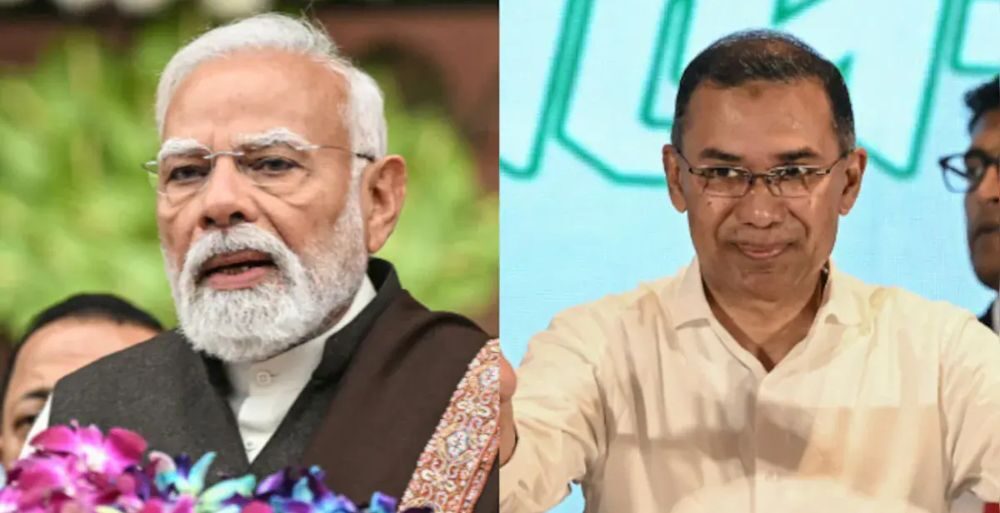






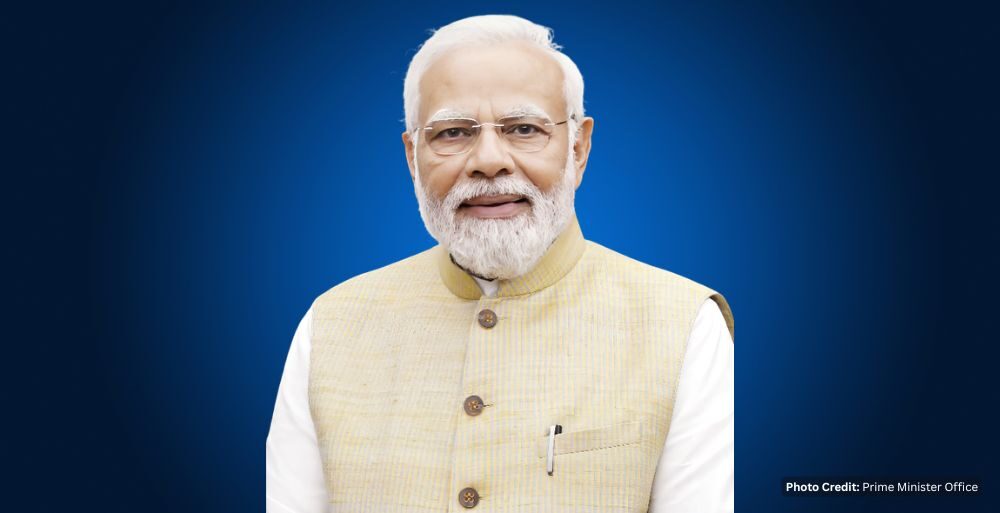
In a recent address, Prime Minister Narendra Modi articulated a narrative of robust economic diplomacy, asserting that India has been negotiating its trade agreements from a position of unassailable strength. According to Modi, this newfound leverage is primarily attributed to the country\’s burgeoning manufacturing sector, the dynamism of its service industries, and the resilience of its Small and Medium Enterprises (SMEs). This statement comes at a time when India is increasingly seen as a pivotal player in the global economic arena, a transformation that Modi attributes to his government\’s economic policies.
India\’s strategic approach to trade negotiations has indeed undergone a significant metamorphosis over the past decade. Traditionally perceived as a market with untapped potential, India is now positioning itself as an indispensable partner in global trade. The shift is partly due to the government\’s concerted efforts to boost domestic manufacturing through initiatives like \’Make in India,\’ which aims to encourage both multinational and domestic companies to manufacture their products within the country. This initiative not only seeks to enhance the manufacturing sector but also aims to create millions of jobs, thereby bolstering the economy.
The service sector, often hailed as the backbone of the Indian economy, has consistently outperformed other sectors, contributing significantly to GDP growth. With its vast pool of skilled professionals, India has become a hub for IT and software services, attracting a plethora of international companies that seek to leverage this expertise. This has provided India with a strategic advantage in trade negotiations, as countries look to tap into its vast service sector capabilities.
Meanwhile, SMEs, often described as the lifeblood of the Indian economy, have shown remarkable resilience and adaptability. Despite facing numerous challenges, including regulatory hurdles and access to credit, SMEs have managed to thrive, contributing significantly to exports and employment. The government\’s efforts to support these enterprises through various schemes and subsidies have further strengthened their position, making them a key component of India\’s trade strategy.
In his address, Modi did not miss the opportunity to take a swipe at the previous Congress-led United Progressive Alliance (UPA) government, suggesting that India was negotiating from a position of weakness during their tenure. This critique aligns with Modi\’s broader political narrative, which often contrasts his administration\’s achievements with the perceived shortcomings of his predecessors. By highlighting the economic strides made under his leadership, Modi aims to reinforce the perception of a \’New India\’—one that is confident, self-reliant, and globally competitive.
The broader implications of India\’s trade strategy are significant. As global supply chains undergo a seismic shift in the wake of geopolitical tensions and the COVID-19 pandemic, India is well-positioned to capitalize on these changes. The country is actively seeking to diversify its trade partnerships, reducing dependency on any single country or region. This strategic realignment is evident in India\’s recent trade agreements with countries across Asia, Europe, and the Americas, which are designed to open new markets for Indian goods and services.
Furthermore, India\’s trade negotiations are increasingly being shaped by its commitment to sustainable development and climate goals. As the world grapples with the pressing challenge of climate change, India is advocating for trade policies that align with its environmental objectives, ensuring that economic growth does not come at the expense of ecological sustainability.
In conclusion, Prime Minister Modi\’s remarks underscore a pivotal moment in India\’s economic trajectory. By leveraging its strengths in manufacturing, services, and SMEs, India is not only enhancing its trade prospects but also asserting itself as a formidable force in the global economy. As India continues to navigate the complexities of international trade, its strategy will likely serve as a blueprint for other emerging economies seeking to enhance their global influence while fostering domestic growth.