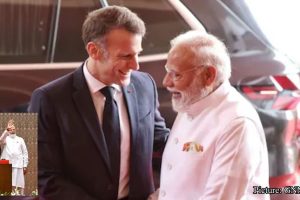





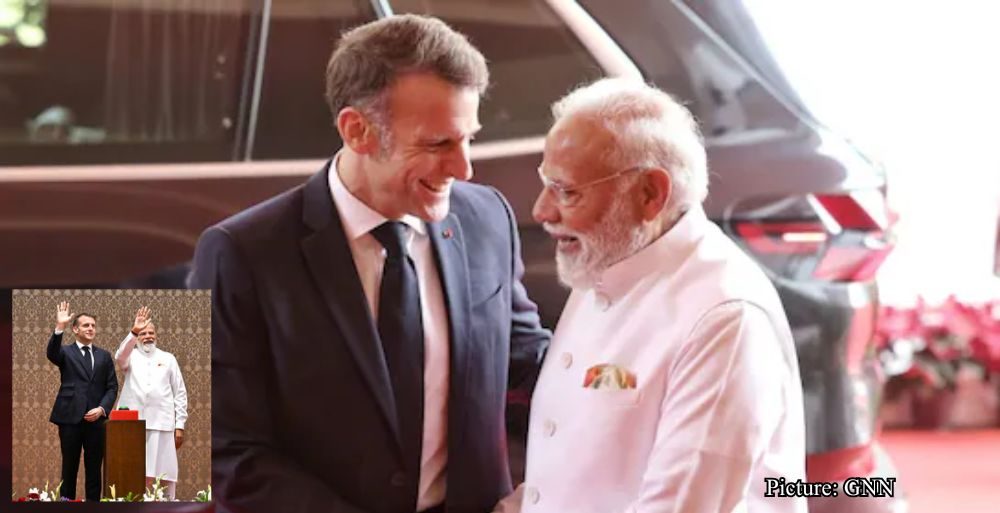
In a move that underscores the growing geopolitical significance of bilateral relationships in an increasingly multipolar world, Indian Prime Minister Narendra Modi and French President Emmanuel Macron have unveiled a ‘Special Global Strategic Partnership.’ This partnership marks a new chapter in the Indo-French relationship, which has historically been characterized by mutual respect, shared democratic values, and a commitment to multilateralism.
The announcement comes at a time when both nations are navigating complex global challenges, from climate change to security threats and economic volatility. This partnership is not merely a diplomatic nicety but a strategic alignment aimed at addressing these challenges more effectively. Modi and Macron’s meeting, held in Paris, was emblematic of the warm relations between the two countries, with both leaders expressing a strong desire to deepen cooperation across various sectors.
Historically, India and France have enjoyed a robust relationship, particularly in defense, space, and nuclear energy. The two countries have collaborated on several high-profile defense projects, including the acquisition of Rafale fighter jets by India, which has significantly boosted India’s air defense capabilities. This new partnership is expected to build on these existing ties, with an emphasis on expanding cooperation in emerging areas such as cybersecurity, artificial intelligence, and renewable energy.
The strategic partnership is also a reflection of the changing dynamics of global power. As the United States and China continue to dominate international affairs, countries like India and France are seeking to carve out their own space on the world stage. This partnership signals a shift towards a more diversified global order, where middle powers play a crucial role in shaping international policies.
Economically, both nations stand to gain from this partnership. France is already one of India’s largest trading partners in the European Union, and there is significant potential for growth in sectors such as technology, pharmaceuticals, and agriculture. The partnership aims to facilitate greater investment flows, enhance trade relations, and promote joint ventures in key industries.
Culturally, India and France have long shared a rich tapestry of exchanges, from art and literature to cinema and cuisine. This partnership is expected to further bolster cultural ties, promoting greater people-to-people contact and enhancing mutual understanding. Educational exchanges and tourism are likely to see a boost as both countries work towards easing travel restrictions and encouraging student mobility.
On the global stage, the Indo-French partnership is likely to focus on strengthening multilateral institutions and promoting sustainable development. Both countries are committed to the Paris Agreement and are actively working towards reducing carbon emissions and promoting clean energy. This partnership will likely see increased collaboration in these areas, with joint initiatives aimed at addressing climate change and promoting environmental sustainability.
In conclusion, the ‘Special Global Strategic Partnership’ between India and France is a testament to the enduring strength of their bilateral relationship. It is a strategic move that positions both countries as key players in the global arena, capable of addressing some of the most pressing challenges of our time. As Modi and Macron continue to build on this partnership, the world will be watching closely to see how this relationship evolves and what it means for the future of international diplomacy.