







Defense Department officials informed lawmakers that the first six days of military operations against Iran cost taxpayers upwards of $11.3 billion, a figure that significantly exceeds early independent estimates. The revelation has ignited a fierce debate on Capitol Hill regarding the sustainability of the munitions burn rate and the long-term strategic objectives of the campaign.
The true financial toll of the opening salvo in the war against Iran is beginning to emerge, and the figures are staggering even by the standards of modern high-intensity conflict. In a series of high-stakes, closed-door briefings on Capitol Hill this Tuesday, senior Pentagon officials provided lawmakers with their most comprehensive fiscal assessment to date. The data suggests that the United States spent more than $11.3 billion in just the first 144 hours of the operation, according to three individuals familiar with the proceedings who spoke on the condition of anonymity.
This $11.3 billion figure represents a massive surge in military expenditure that has caught many budget hawks and defense analysts by surprise. To put the number in perspective, the Center for Strategic and International Studies (CSIS) had previously estimated that the first 100 hours of the operation would cost approximately $3.7 billion, or roughly $891.4 million per day. The Pentagon’s internal accounting reveals a reality that is nearly triple that daily burn rate, reflecting an intensity of air and sea operations that has rarely been seen in the post-Cold War era.
However, the $11.3 billion is likely only the floor. Officials were careful to note that this estimate is strictly limited to active operational costs—fuel, munitions, and immediate logistics. It pointedly omits the massive “sunk costs” associated with the months-long buildup of military hardware, the repositioning of carrier strike groups, and the deployment of thousands of additional personnel to the region ahead of the first strikes. Lawmakers leaving the briefing expressed concern that once the full accounting of the “deployment phase” is integrated, the first-week price tag could grow considerably, potentially doubling the current estimate.
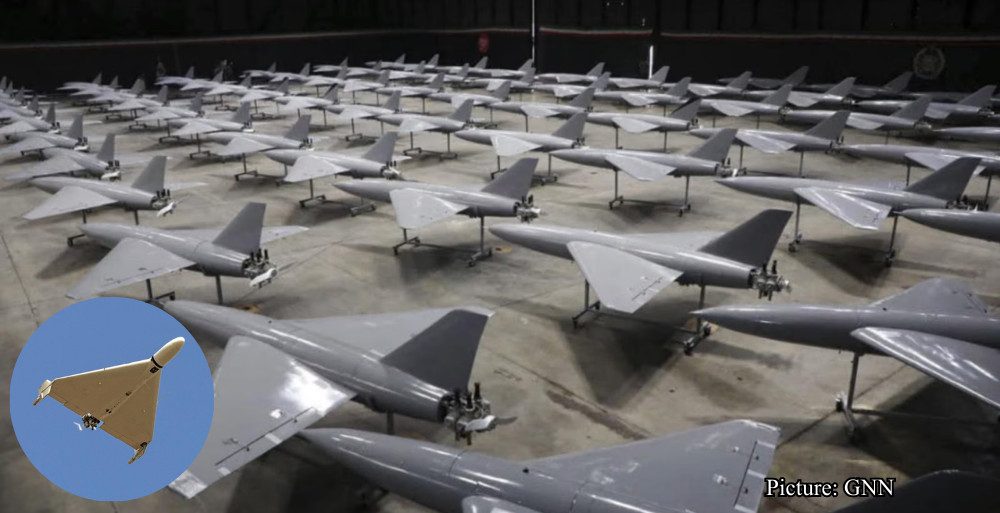
The primary driver of these costs has been the sheer volume and sophistication of the weaponry deployed against Iranian integrated air defense systems and hardened command structures. Reports indicate that in the first 48 hours alone, the U.S. military expended $5.6 billion in munitions. This represents a burn rate of precision-guided hardware that threatens to deplete domestic stockpiles faster than industrial production lines can replenish them.
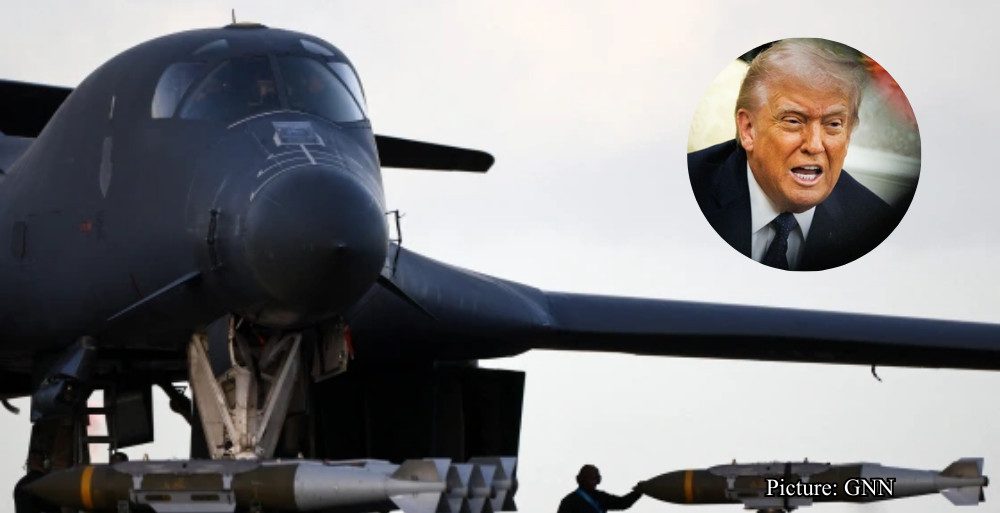
During the first wave of the bombardment, the Navy and Air Force relied heavily on the AGM-154 Joint Standoff Weapon (JSOW), a glide bomb capable of striking targets from a safe distance. These weapons, while effective, come with a heavy price tag, ranging from $578,000 to $836,000 per unit depending on the variant. While the Navy purchased approximately 3,000 of these units nearly two decades ago, the rapid depletion of this “silver bullet” inventory has forced a pivot toward more sustainable options.
Military planners have signaled a shift toward using the Joint Direct Attack Munition (JDAM), a far more cost-effective solution. A standard JDAM setup—which turns “dumb” bombs into GPS-guided smart weapons—consists of a warhead costing about $1,000 and a guidance kit priced at approximately $38,000. Despite the shift to cheaper munitions, the sheer scale of the target list in Iran means that even “low-cost” sorties are aggregating into billions of dollars in daily expenses.
The financial revelations have sharpened the political divide in Washington. Senator Mitch McConnell of Kentucky, the chairman of the subcommittee that funds the Pentagon, has long advocated for a significant ramp-up in munitions production. For years, McConnell and his allies have warned that the American defense industrial base was ill-equipped for a high-end conventional conflict against a near-peer adversary. The current burn rate in Iran is being framed by these defense hawks as a validation of their warnings, with calls for a massive, multi-year investment in surge capacity for missile and bomb production.
Yet, the appetite for a blank-check supplemental funding package is increasingly strained. A faction of fiscal conservatives within the Republican party has balked at the idea of approving a massive emergency spending bill for a conflict that lacks a clearly defined “endgame.” These lawmakers expressed concern that the United States is drifting into an open-ended regional war without a strategy for extraction or a clear definition of what constitutes victory.
Democrats, meanwhile, have adopted a stance of skeptical oversight. While many supported the initial defensive posture, party leadership has cast doubt on their willingness to back a supplemental funding measure until the administration provides a detailed briefing on the long-term strategy and exit plan. “We cannot authorize billions in emergency spending every week without knowing where this road leads,” one senior Democratic aide remarked following the briefing. The demand for a “strategy and endgame” is becoming a prerequisite for any further legislative cooperation on war funding.
As the Pentagon continues to refine its calculations, the economic implications extend beyond the federal budget. The cost of maintaining multiple carrier strike groups on high alert, coupled with the increased risk premiums in global energy markets, adds layers of complexity to the national economic outlook. For now, the $11.3 billion serves as a sobering reminder of the fiscal gravity of modern warfare—a cost that is rising by the hour as the conflict enters its second week.