








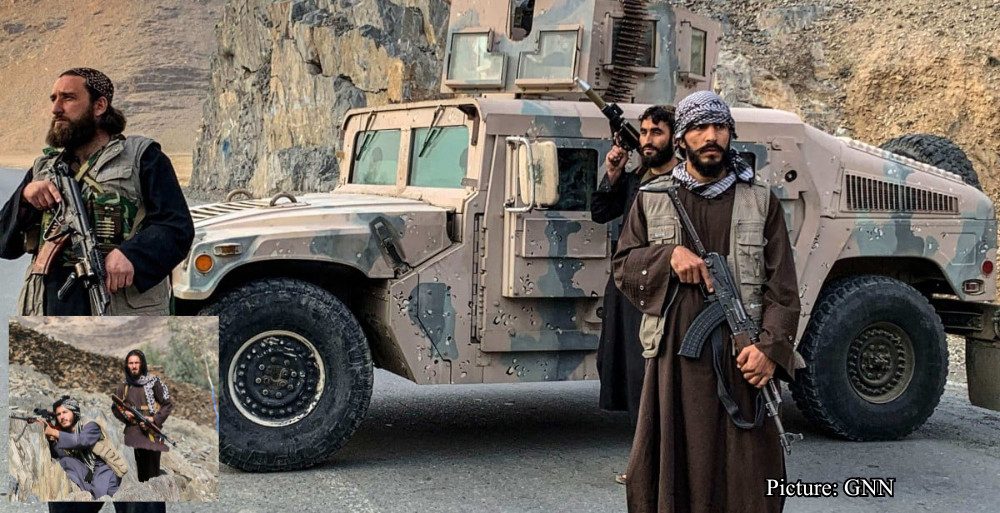
The geopolitical landscape of South Asia has once again been thrust into turmoil as Pakistan launched air strikes on Taliban targets within Afghanistan. This military action, which unfolded in the early hours of Friday, was a direct response to an earlier assault by Afghan forces on Pakistani border troops. The cross-border skirmishes have resulted in significant casualties on both sides, heightening tensions in a region already fraught with historical animosities and complex alliances.
The recent escalation between Pakistan and Afghanistan underscores a volatile chapter in their long-standing and tumultuous relationship. The air strikes carried out by Pakistan are not merely a reactionary measure but a calculated move in a chess game that has been played across the rugged terrains and political corridors of South Asia for decades. At the heart of this conflict lies the persistent issue of the Tehrik-i-Taliban Pakistan (TTP), an insurgent group that has long been a thorn in Pakistan’s side.
To comprehend the gravity of the current situation, it is imperative to delve into the historical context that has shaped the dynamics between these two nations. The Durand Line, a legacy of British colonialism, demarcates the border between Pakistan and Afghanistan. However, this line has never been officially recognized by Afghanistan, leading to a perennial source of friction. The porous nature of this border has facilitated the movement of militants and insurgents, complicating security operations for both countries.
The rise of the Taliban in Afghanistan and the subsequent establishment of the TTP have further strained relations. The TTP, an ideological offshoot of the Afghan Taliban, has been responsible for numerous attacks within Pakistan, targeting both civilian and military installations. Pakistan’s military operations against the TTP have often driven these militants across the border into Afghanistan, where they have found refuge and, at times, support.
In recent months, there has been a noticeable uptick in TTP activities, which Pakistan attributes to the emboldening of the group following the Taliban’s return to power in Afghanistan. This resurgence has been met with increasing frustration in Islamabad, prompting a more aggressive stance against perceived sanctuaries across the border. The air strikes can be seen as an extension of this policy, aimed at disrupting the TTP’s operational capabilities and sending a stern message to the Afghan Taliban about harboring such elements.
However, the implications of this military escalation are profound and multifaceted. For Pakistan, the stakes are high. The country is grappling with internal security challenges, economic instability, and a public increasingly weary of prolonged conflict. Engaging in cross-border military operations risks further destabilizing the region and drawing international scrutiny. Moreover, it complicates Pakistan’s diplomatic relations with Afghanistan, a country with which it shares deep ethnic, cultural, and economic ties.
For Afghanistan, the situation is equally precarious. The Taliban, despite their control over the country, face significant challenges in consolidating power and gaining international legitimacy. The Afghan economy is in dire straits, and the humanitarian situation remains critical. Engaging in military confrontations with Pakistan diverts attention and resources from pressing domestic issues and risks alienating potential international partners who favor stability in the region.
The international community, particularly neighboring countries and major powers, is closely monitoring the situation. There is a concerted effort to prevent a full-scale conflict that could have far-reaching consequences beyond the immediate geographical confines. Regional players like China and Iran, who have vested interests in maintaining stability for their own economic and security reasons, are likely to play a mediating role in de-escalating tensions.
Looking ahead, the path to resolution lies in diplomatic engagement and addressing the root causes of the conflict. Both Pakistan and Afghanistan must navigate a delicate balance between asserting their national interests and fostering a cooperative relationship. Confidence-building measures, such as joint border patrols and intelligence sharing, could help alleviate mutual suspicions and pave the way for more substantive dialogue.
Furthermore, addressing the plight of the Pashtun population, which straddles both sides of the border, is crucial. This ethnic group has borne the brunt of the conflict and their grievances need to be addressed to prevent further radicalization. Socio-economic development initiatives and political inclusion could serve as effective tools in mitigating the influence of extremist ideologies.
In conclusion, the recent military exchanges between Pakistan and Afghanistan highlight the fragility of peace in a region that has long been a battleground for competing interests. The air strikes are a stark reminder of the challenges that lie ahead in achieving lasting stability. As the dust settles, the focus must shift from military might to diplomatic acumen, ensuring that the specter of ‘open war’ does not become a grim reality.