








The Islamic Revolutionary Guard Corps of Iran has announced its involvement in targeting six U.S. military vessels, heightening regional tensions and drawing attention to the ongoing geopolitical strife in the Persian Gulf.
TEHRAN, Iran — The Islamic Revolutionary Guard Corps (IRGC) has publicly declared that it has targeted six tactical vessels belonging to the United States military. This assertion was made during a press briefing aimed at showcasing the IRGC’s naval capabilities in the strategically vital Persian Gulf, an area critical for global oil transport and military operations.
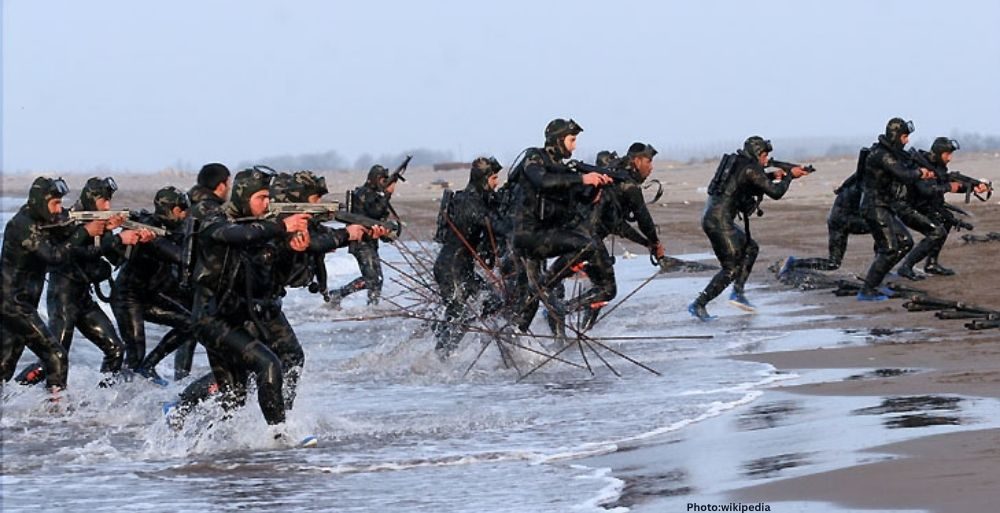
This announcement comes amid heightened tensions between the U.S. and Iran, which have escalated following a series of confrontations in the region. While the IRGC did not disclose specific details regarding the nature of the purported attack or the identification of the vessels involved, the organization characterized the maneuver as a demonstration of its operational readiness and technological advancements in naval warfare.
Historical Context of U.S.-Iran Relations
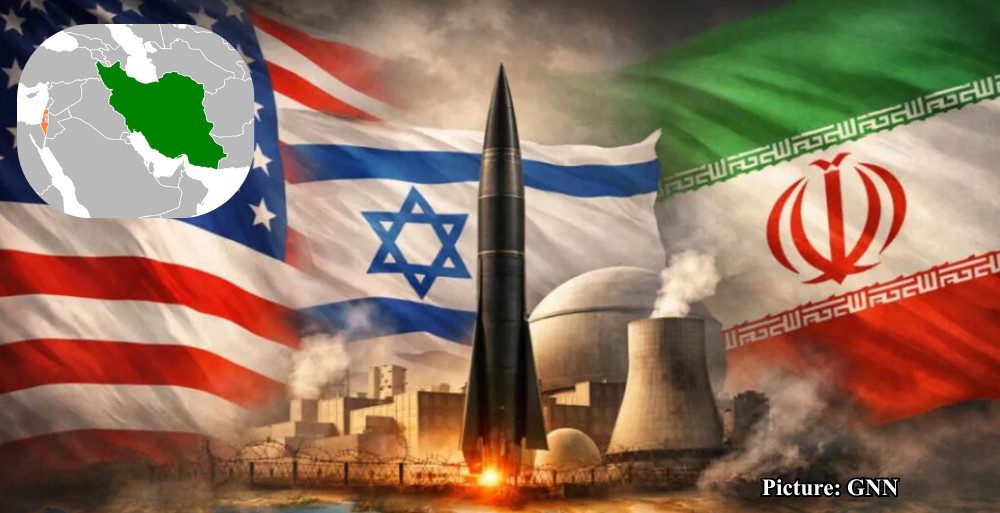
The Persian Gulf has historically been a contentious area for U.S.-Iran relations, particularly since the U.S. withdrawal from the Joint Comprehensive Plan of Action (JCPOA) in 2018. This decision led to the reimposition of stringent sanctions on Iran, which has significantly altered the dynamics of their interactions. Since the withdrawal, both nations have increased their military presence in the region, contributing to a climate of distrust and aggression.
The U.S. has consistently deployed naval forces to the Gulf, citing the need to ensure maritime security and protect global trade routes. The IRGC’s operations, which are characterized by asymmetric warfare tactics, focus on using small crafts and missile technology to counter the capabilities of larger U.S. naval assets. By asserting its capability to target U.S. vessels, the IRGC aims to challenge American military dominance in the region and project strength amidst increasing sanctions and economic difficulties.
Scrutiny of the IRGC’s Claims
Analysts have raised questions regarding the veracity of the IRGC’s claims. Although the organization has a reputation for conducting provocative operations against U.S. interests, claims of military engagements often require careful analysis. Experts suggest that such announcements may be strategically designed to bolster domestic support and project an image of strength in the face of international pressures.
“The timing of this announcement suggests a calculated effort by the IRGC to reinforce its image as a defender of Iranian interests at sea,” stated Dr. Farhad Khosravi, a regional security analyst. “However, we must consider the credibility of such claims, especially given Iran’s ongoing economic challenges and the pressure from international sanctions.”
U.S. Military Response and Preparedness
While the U.S. military has not issued a direct response to the IRGC’s claims, officials have consistently reiterated their commitment to ensuring maritime security in the Gulf region. U.S. Navy spokespersons have confirmed their awareness of Iranian naval operations and have indicated that they possess strategies to counter potential threats posed by the IRGC.
Additionally, the U.S. has engaged in joint naval exercises with allies in the region to enhance cooperative security measures. These exercises serve not only as deterrents against Iranian aggression but also provide reassurance to U.S. allies who may perceive Iran’s military posturing as a significant threat.
The Geopolitical Landscape and Regional Implications
The confrontation between the U.S. and Iran is emblematic of a larger geopolitical chess game involving multiple actors in the Middle East. The IRGC’s recent actions could provoke a series of escalatory measures, not only from the U.S. but also from regional players such as Saudi Arabia and Israel, both of whom view Iran as a principal threat to their security.
As tensions escalate, it is essential for international observers to monitor developments closely. Any miscalculation or misinterpretation of intentions could lead to a broader conflict in an already volatile region.
Impact on Regional Stability and Security
The IRGC’s claims regarding the targeting of U.S. vessels underscore the ongoing tensions between Iran and the United States. As both nations navigate their complex relationship, the implications of these actions could have far-reaching effects on regional stability and international maritime security. Experts caution that the situation remains precarious and could lead to unintended consequences if not managed carefully.
The IRGC’s announcement reflects Iran’s broader strategy of asserting its influence within the Persian Gulf while countering perceived threats from the U.S. and its allies. The potential for escalation remains high, as continued provocations could result in military engagements that might destabilize the region further.
In conclusion, as the IRGC claims to have targeted U.S. military vessels, the geopolitical landscape in the Persian Gulf becomes increasingly complex. Observers are urged to consider the broader implications of such claims and the potential for escalatory actions in the months to come, given the historical context and the current state of U.S.-Iran relations.