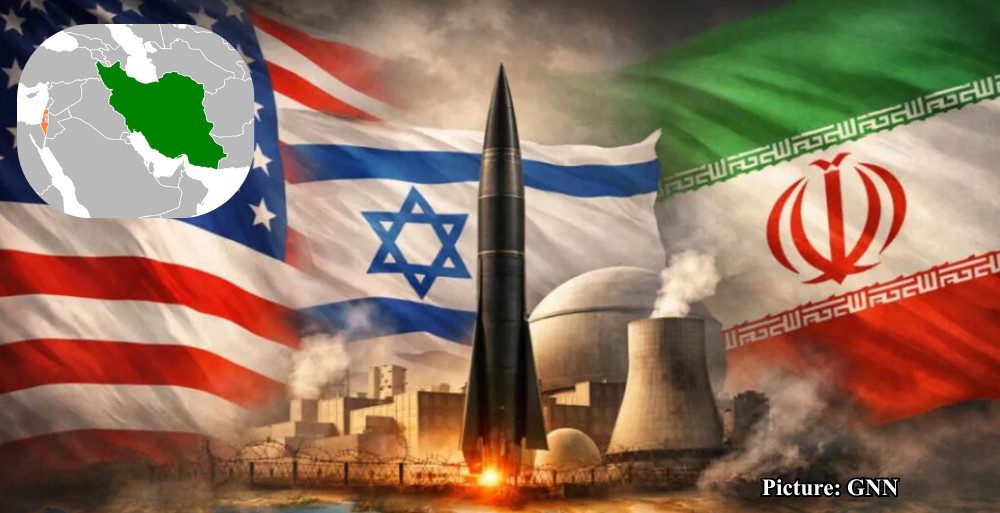









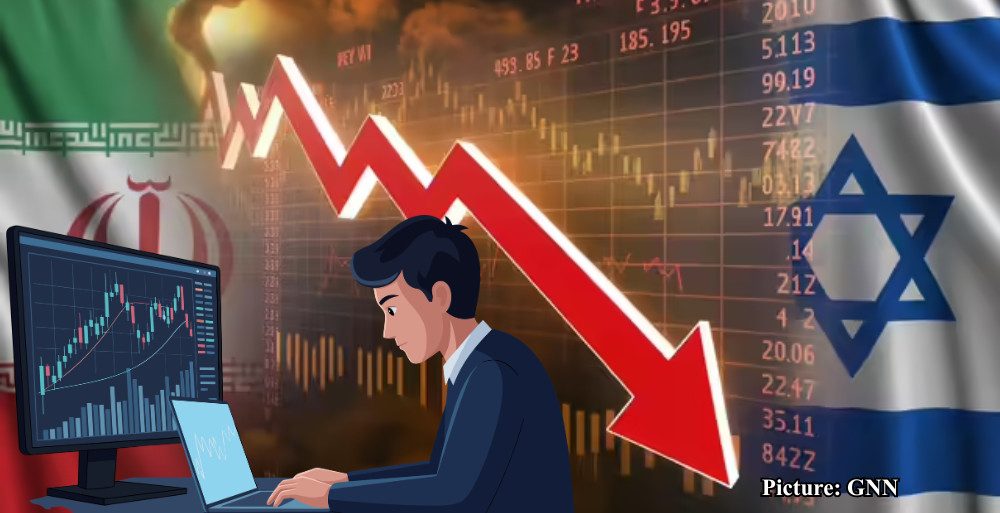
The ongoing conflict in Iran has resulted in a notable decline in luxury stocks, erasing approximately $100 billion in market capitalization as analysts warn of potential significant impacts on sales in the crucial Middle Eastern market.
The luxury goods market is facing unprecedented challenges as the conflict in Iran escalates, leading to a substantial decline in the stock prices of major luxury brands. Since the onset of the conflict, stocks of prominent companies such as LVMH and Hermès have plummeted by approximately 16% and 20%, respectively, while the S&P 500 index has experienced a relatively modest decrease of less than 6%. Ferrari has also reported a 15% drop in its shares and announced a temporary suspension of deliveries to the Middle East due to security concerns, a trend echoed by other high-end automotive manufacturers including Bentley and Maserati, which are halting deliveries amid ongoing uncertainties.
During a recent investor call, Bentley CEO Frank-Steffen Walliser commented, “At the moment, we don’t have an impact from a production side. But for sure, people in the Middle East have other thoughts than looking for a new Bentley at the moment.” This sentiment reflects the broader concerns among luxury brands regarding the potential fallout from the conflict in the region.
Importance of the Middle Eastern Market
The significance of the Middle Eastern market for the luxury sector has been underscored by recent trends. While the region currently contributes a relatively small portion—approximately 6%—of global luxury sales, its rapid growth has made it increasingly vital for the industry. According to Bernstein luxury analyst Luca Solca, the Middle East was the fastest-growing market for luxury goods in the previous year, achieving growth rates between 6% and 8%, in stark contrast to stagnant growth rates globally. This growth trajectory positions the Middle East to potentially rival Japan, which currently accounts for about 9% of global luxury sales.
Dubai, in particular, has emerged as a primary driver of luxury market expansion, accounting for around 80% of the United Arab Emirates’ (UAE) luxury growth, which in turn represents more than half of the region’s overall luxury market increase, as reported by Morgan Stanley. The current turmoil in the Middle East comes at a critical juncture for the luxury industry, which had been anticipating a recovery following two years of stagnant sales.
Investor Sentiment and Market Response
Investor sentiment within the luxury sector has taken a pessimistic turn, with a recent research note from UBS luxury analyst Zuzanna Pusz indicating that investor outlook is “the most bearish in years.” Earlier this year, investors had expressed optimism about a rebound; however, the heightened geopolitical instability is now expected to significantly impact near-term earnings and postpone any anticipated recovery in market fundamentals.
The market reaction has been severe, with approximately $100 billion in market capitalization lost among major luxury brands, as LVMH and Hermès each incurred losses exceeding $40 billion in value. Solca noted that if sales in the Middle East were to decline by half in March—a scenario he described as a worst-case outcome—the quarterly growth for many luxury companies could decrease by approximately one percentage point. However, he also suggested that the actual decline might be less severe, as many companies are adapting by engaging directly with high-net-worth clients and facilitating home deliveries. “Most of the companies we’ve been talking to are not really pointing to a disastrous decline in the Middle East,” Solca remarked, suggesting that if the instability is contained within a short timeframe, the long-term impact may be minimal.
Long-term Implications for Dubai and the Luxury Sector
Despite the current challenges, the foundational elements contributing to Dubai’s success as a luxury market—such as its lack of income tax, stable governance, and attractive climate—remain intact. According to Henley & Partners, the number of millionaires residing in Dubai has doubled since 2014, reaching over 81,000 in 2025, with an influx of approximately 9,800 millionaires bringing in $63 billion in wealth during that year alone, more than any other nation. The majority of these affluent individuals have relocated from the UK, China, India, and various parts of Europe and Asia.
Still, the ongoing conflict has undermined Dubai’s reputation as a safe haven, which could deter wealthy tourists—who account for roughly 60% of luxury spending in the UAE—from visiting the region. According to Morgan Stanley, luxury tourism is heavily reliant on visitors from Russia, Saudi Arabia, China, and India. Additionally, the remaining 40% of luxury spending by UAE residents includes significant contributions from foreign residents, who may alter their plans in light of the current geopolitical climate.
Moreover, rising oil prices pose another potential threat to luxury sales, as aspirational luxury consumers—who are more sensitive to inflation—might curtail their spending amidst increased costs for fuel and basic goods. Wealthy consumers, reliant on the stock market for their wealth, may also react negatively to market volatility, which could further dampen luxury spending. Solca warned that “higher oil prices could prompt a downward adjustment in global stock markets, and that would be very bad,” highlighting the interconnectedness of oil prices, market performance, and luxury consumer sentiment.