





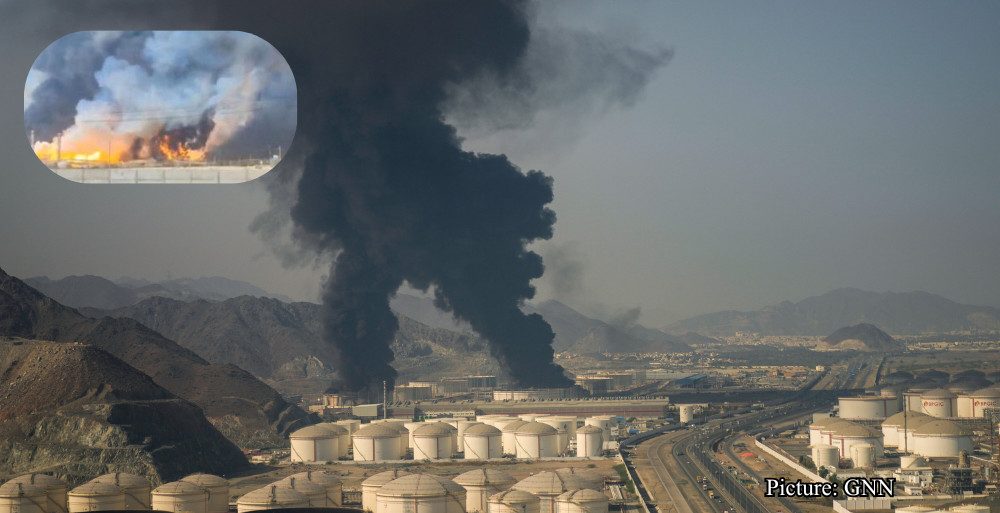
The ongoing conflict in Iran has intensified discussions regarding the implications for China’s export sector and the broader global economy, raising fears of stagflation and potential recession.
The recent escalation of conflict in Iran has prompted renewed focus on the potential impact of geopolitical tensions on China’s export economy and the integrity of global supply chains. As fears of stagflation loom, analysts are debating whether the crisis poses an immediate threat to China’s sources of external demand or if it represents a strategic opportunity for Chinese exporters.
The ongoing conflict in Iran reflects a complex interplay of geopolitical dynamics that could have far-reaching implications for global economic stability. The situation is reminiscent of the disruptions caused by the COVID-19 pandemic, which severely affected supply chains worldwide. The fragility of these systems has led to questions about China’s ability to leverage its industrial base and supply-side resilience in the face of prolonged conflict.
Concerns Over Structural Fragility
Alicia Garcia-Herrero, chief economist for the Asia-Pacific region at Natixis, has voiced significant concerns regarding the structural vulnerabilities of China’s economy. “China’s economy looks strong on the surface but is structurally fragile underneath,” she remarked, emphasizing the complexities that underpin China’s economic landscape amidst external shocks. This observation highlights the potential for a cascading effect on China’s economy if external factors such as the Iran conflict lead to a downturn in global demand.
Potential Fallout from Rising Oil Prices
Garcia-Herrero warned that if the current oil shock, exacerbated by the Iran conflict, leads to a severe downturn in the global economy, the repercussions for China could be dire. She noted, “If the oil shock tips the global economy into a severe downturn, export orders collapse. Chinese factories slow. Jobs are lost.” This perspective underscores the interconnectedness of global markets, suggesting that a recession could impact China more acutely than in other nations, given its dependence on exports for economic growth.
The International Monetary Fund (IMF) has provided further insights into the potential economic consequences of rising oil prices. In a recent media briefing, the IMF indicated that every 10 percent increase in oil prices, if sustained throughout the year, could trigger a 40-basis-point rise in global headline inflation and a contraction in global output ranging from 0.1 to 0.2 percent. Such projections serve as a stark reminder of the delicate balance that nations must maintain in an increasingly volatile economic environment.
Impact on Chinese Exports and Employment
Ding Shuang, chief economist for Greater China and North Asia at Standard Chartered, echoed concerns about the impact of the Iran conflict on demand for Chinese exports. He posited that a prolonged conflict would inevitably suppress demand, exacerbating existing economic challenges faced by China, including slowing growth rates and rising unemployment. This scenario poses a critical threat to China’s economic momentum, which has been a cornerstone of its broader global economic strategy.
Historically, China has demonstrated resilience in navigating external shocks, leveraging its vast industrial base to maintain its export-driven economy. However, the current geopolitical climate presents a unique set of challenges that may test these capabilities. Analysts are closely monitoring the situation, recognizing that the interplay between geopolitical tensions and economic performance could reshape the landscape of international trade.
Global Economic Implications and Strategy
The potential consequences of the Iran conflict extend beyond China’s borders, raising questions about global economic stability. The interconnected nature of modern economies means that disruptions in one region can reverberate across the globe, affecting trade patterns and economic growth in numerous countries. As oil prices rise, nations dependent on oil imports are likely to face heightened costs, which could further strain their economic conditions.
Moreover, countries that rely on stable energy prices for their manufacturing processes may find themselves navigating increasingly difficult waters. Policymakers worldwide will need to devise strategies to mitigate the risks associated with potential economic downturns driven by rising oil costs and supply chain disruptions.
The conflict in Iran also serves as a reminder of the strategic considerations that must be taken into account when evaluating the global economic landscape. As tensions escalate, businesses and governments alike must remain vigilant and adaptable to change, recognizing that the implications of geopolitical conflicts can have profound effects on international trade and economic stability.
Future Outlook
In conclusion, the Iran conflict represents a critical juncture for assessing the resilience of China’s export economy amid shifting geopolitical realities. While opportunities may arise for exporters seeking to navigate changes in demand, the overarching threat of a global economic slowdown looms large. It necessitates vigilance and strategic foresight from policymakers and businesses alike to safeguard economic stability in the face of uncertainty.
The coming months will be crucial in determining how these dynamics unfold and the measures that can be implemented to address the challenges posed by the intersection of geopolitical tensions and economic performance. As the global community grapples with these issues, the long-term implications for trade relationships and economic growth will likely become clearer, shaping the future landscape of international commerce.