








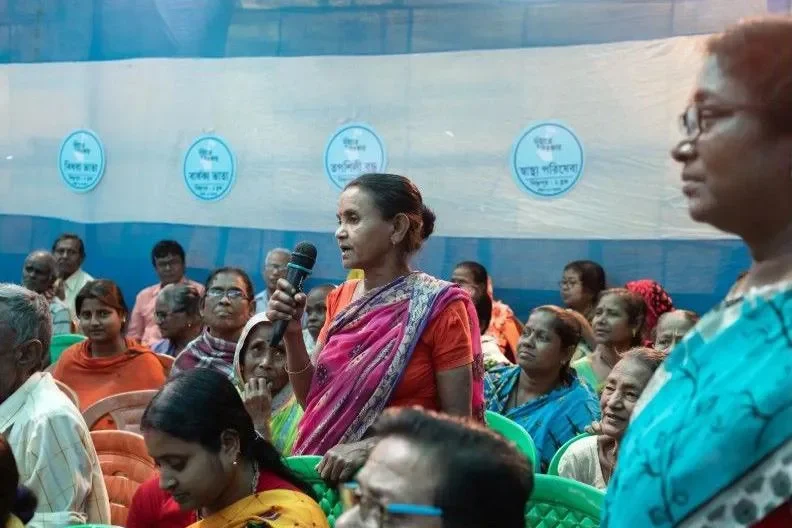
Across India, a remarkable social experiment is reshaping household economics and women’s autonomy. In 12 states, more than 118 million adult women now receive unconditional monthly cash transfers, a policy unlike anything attempted at this scale globally.
For women like Premila Bhalavi in Madhya Pradesh, the transfer of ₹1,500 ($16) each month is small but life-altering. It pays for medicines, vegetables, and her son’s school fees—giving her a sense of control she has never experienced before.
India, long known for subsidies on grain, fuel, and rural jobs, has unintentionally ventured into a radical new frontier: directly paying women for the unpaid work that keeps households functioning.
From Household Burden to Recognised Work
The cash transfers—typically between ₹1,000 and ₹2,500—are not tied to poverty status or conditions like school attendance. Instead, they acknowledge the central reality of Indian life: women spend nearly five hours a day on unpaid domestic and care work, 7.6 times more than men.
States justify the transfers differently:
- Tamil Nadu calls it a “rights grant”
- West Bengal frames it as recognition of unpaid contributions
- Others simply trust women to spend the money wisely—usually on food, fuel, education, medical needs, and emergencies
With almost 300 million women owning bank accounts, transferring money directly to them has become simple and efficient.
A New Political Force
The political impact has been immediate. Cash transfers to women helped deliver electoral wins in Maharashtra, Odisha, Haryana, Jharkhand, and Andhra Pradesh. In Bihar, the government deposited ₹10,000 into 7.5 million women’s accounts weeks before polling—sparking allegations of vote-buying, but undeniably shaping the final results.
States are now spending more than $18 billion annually on these schemes, even as many struggle with revenue deficits.
Do Cash Transfers Actually Empower Women?
Early evidence suggests a mix of benefits:
1. Greater Financial Autonomy
Studies show:
- Most women control their own accounts
- Up to 90% decide for themselves how to spend the money
- Many describe reduced marital conflict and greater confidence
2. Not a Substitute for Jobs
Women overwhelmingly say they still want paid employment, not just support.
3. No Evidence of Laziness or Dependency
Contrary to critics’ fears, cash transfers have:
- Not discouraged women from seeking work
- Not entrenched gender roles
- Not reduced unpaid workloads
But they do offer women dignity, bargaining power, and security.
4. Messaging Matters
Most women still don’t see the transfers as recognition of unpaid labour—simply because no one explained it. Researchers argue that if governments emphasise the value of women’s work, it could shift social norms more deeply.
What Needs to Happen Next
Experts recommend:
- Simplify eligibility rules, especially for caregivers
- Keep transfers unconditional and not tied to marital status
- Strengthen financial-literacy programs
- Clarify that the money recognises women’s unpaid work
- Expand employment opportunities, especially in care-based sectors
As Prof. Prabha Kotiswaran notes, these programs are neither magic solutions nor political gimmicks—they are useful but incomplete tools in a deeply patriarchal society.
A Transformation in Progress
India’s cash-transfer revolution is still evolving. But it has already demonstrated one powerful truth: small, regular payments made directly to women can shift social power in meaningful ways.
Whether this becomes a pathway to lasting empowerment—or merely another political lever—depends on how India builds on this momentum.