








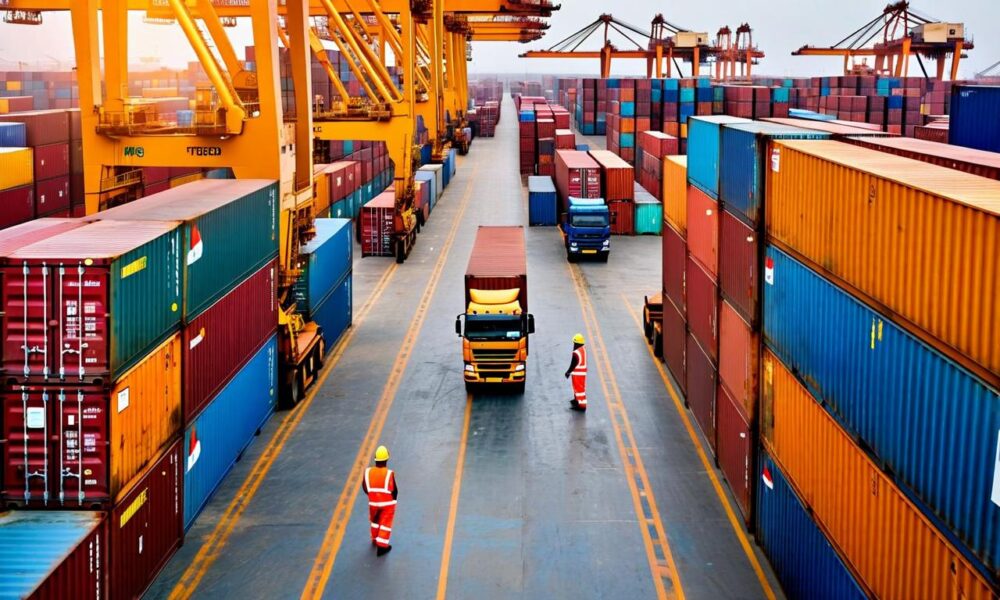
In a move aimed at easing trade frictions and accelerating negotiations with Washington, India on Wednesday announced a set of reforms to simplify its import quality inspection regime—addressing long-standing concerns raised by the United States over what it has described as “burdensome” and time-consuming procedures.
The reforms come at a critical juncture as New Delhi and Washington work to finalise a broader trade agreement. India is seeking relief from a 50 per cent tariff imposed by Donald Trump on some of its key exports, a penalty linked to India’s continued purchases of Russian oil.
What the reforms include
According to a statement from the Ministry of Commerce and Industry, the new measures will significantly reduce red tape associated with import quality approvals. Key changes include:
- Reduced documentation requirements, cutting down paperwork for importers
- Shorter approval timelines, aimed at faster clearance of goods
- Fewer physical inspections, with a greater reliance on risk-based and digital assessments
The government said the objective is to streamline processes while maintaining safety and quality standards, especially for industries dependent on imported inputs.
“These reforms aim to accelerate processes, reduce turnaround times, and leverage technology-driven systems to make quality assurance faster, more transparent, and more accessible for enterprises, institutions, and citizens,” said Quality Council of India Chairman Jaxay Shah.
Addressing US concerns
Import quality checks have been a recurring point of contention in India–US trade talks. American companies have repeatedly flagged India’s inspection and certification regime as unpredictable, costly, and prone to delays—especially in sectors such as electronics, medical devices, industrial equipment, and consumer goods.
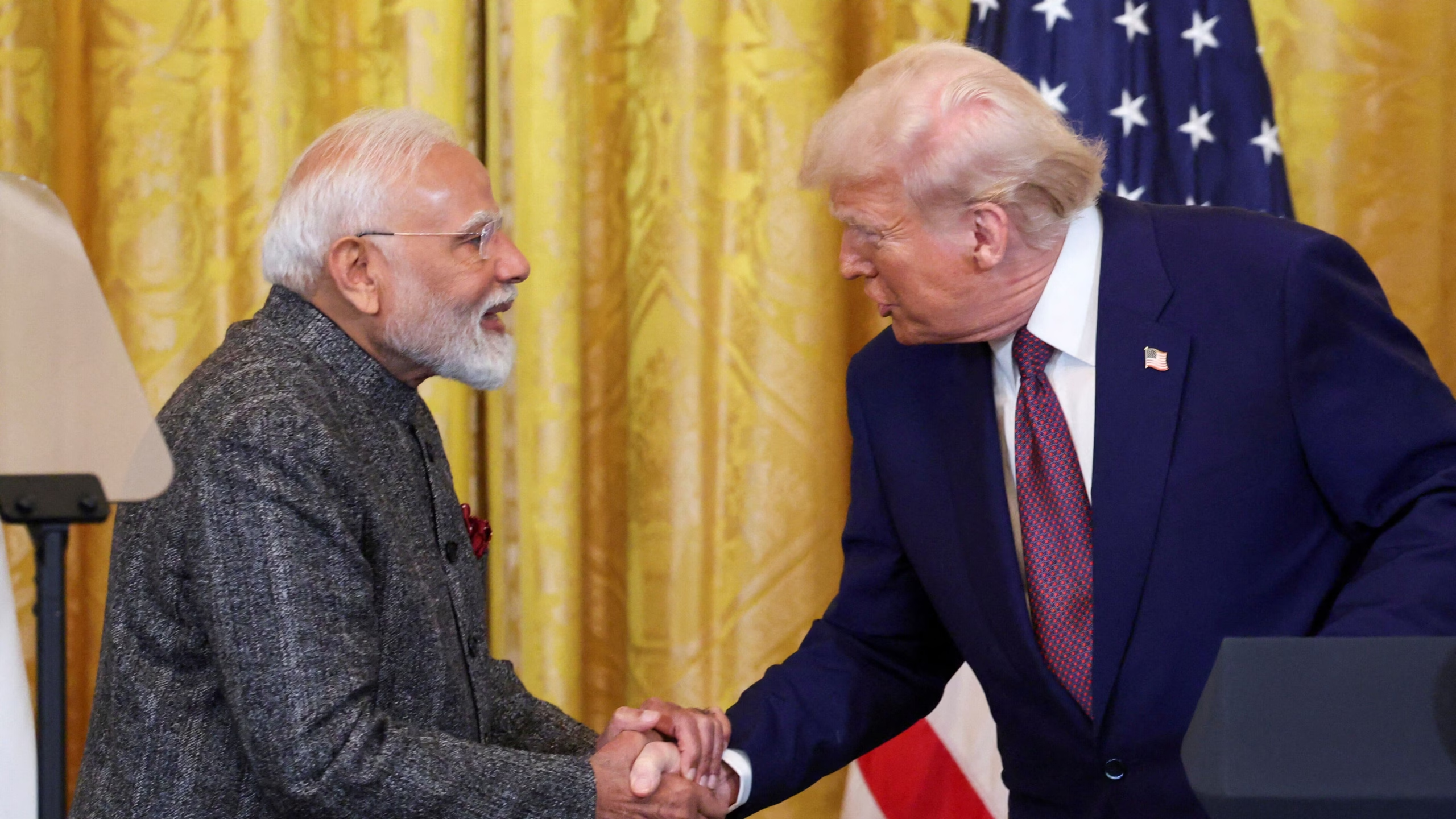
By simplifying these checks, India is signaling its willingness to address structural concerns raised by US exporters and investors, a step seen as crucial to unlocking progress in the proposed bilateral trade deal.
Trade experts say the reforms could help improve India’s standing as a manufacturing and sourcing hub, particularly as global companies look to diversify supply chains away from China.
Strategic timing amid tariff pressures
The announcement also reflects India’s broader effort to manage economic fallout from US tariffs. The 50 per cent duties imposed by the Trump administration on select Indian exports have weighed on sectors such as engineering goods, chemicals, and value-added manufacturing.
New Delhi hopes that regulatory easing—combined with concessions in other areas—could help persuade Washington to reconsider or roll back some of the punitive measures as part of a comprehensive trade package.
Boost for importers and manufacturers
Domestic industry bodies have welcomed the move, noting that faster import clearances will lower costs, reduce uncertainty, and improve production planning for manufacturers that rely on global supply chains.
With technology-driven systems and risk-based inspections, officials believe the reforms will strike a balance between trade facilitation and quality control, aligning India more closely with global best practices.
Looking ahead
While challenges remain in bridging differences on tariffs, market access, and strategic issues, the import-check reforms mark a tangible step by India to smooth trade flows and build confidence with the United States.
As negotiations continue, the measures are expected to play a key role in shaping the outcome of the India–US trade talks—potentially opening the door to tariff relief and deeper economic cooperation between the two countries.