








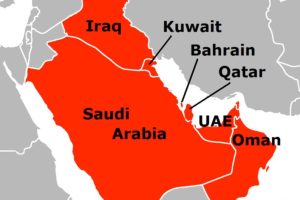
Airlines across Europe, the Middle East, and Asia have announced a sweeping series of cancellations, suspensions, and strategic route changes as airspace closures spread throughout the region following a series of military strikes involving Israel, Iran, and the United States. The escalating geopolitical situation has prompted carriers to prioritize safety protocols, with many issuing formal advisories warning passengers of significantly longer flight times and the potential for prolonged operational disruptions. From single-day tactical cancellations to week-long service suspensions, the global aviation industry is currently navigating one of the most complex logistical challenges in recent years as security conditions remain fluid.
The international aviation landscape faced a significant upheaval this week as multiple sovereign airspaces were shuttered in response to a rapid escalation of hostilities. The current wave of disruptions follows reports of a pre-emptive strike by Israel against targets in Iran, an operation that was subsequently confirmed by United States officials. The resulting retaliatory actions and the threat of further kinetic engagement have forced civil aviation authorities and private carriers to treat large swaths of the Middle East as no-fly zones. Data from the flight tracking platform Flightradar24 indicates that the current shutdowns are affecting dozens of airlines simultaneously, highlighting the deep impact of regional instability on global connectivity and the international economy.
Emirates, one of the world’s largest long-haul carriers, announced that its primary operations from Dubai International Airport were temporarily suspended due to the sudden closure of regional corridors. The airline noted that it is maintaining constant communication with relevant government authorities and is prepared to adjust its flight schedules as the security situation evolves. Similarly, flydubai reported that several of its services were impacted on February 28, citing the temporary closure of multiple airspaces across the Gulf and Levant. The low-cost carrier is currently working to manage the backlog of passengers affected by these emergency groundings.
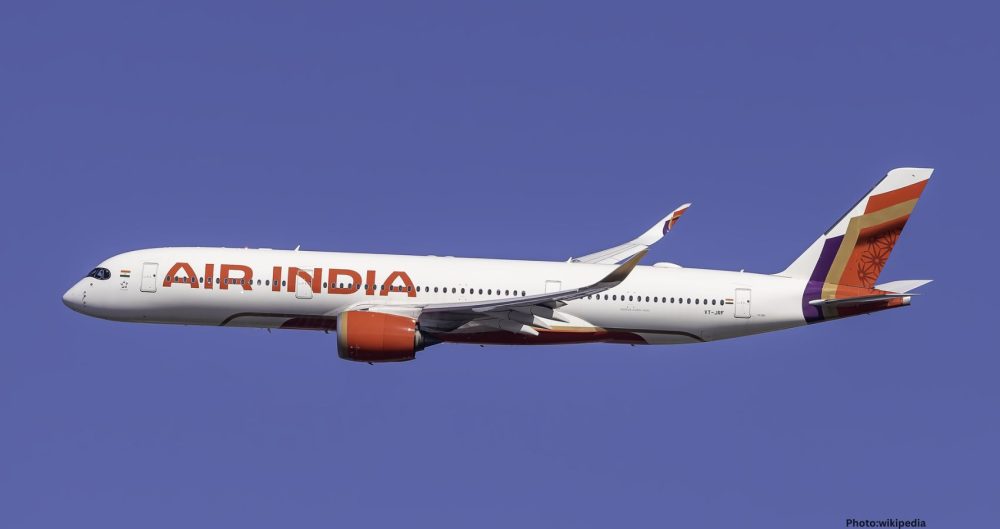
In South Asia, Air India has taken the step of suspending all flights to destinations across the Middle East until further notice. One of its aircraft, operating a scheduled service from Delhi to Tel Aviv, was forced to divert and return to India, eventually landing in Mumbai after Israeli airspace was formally closed to commercial traffic. IndiGo, another major Indian carrier, issued a comprehensive advisory urging passengers to check the real-time status of their flights before departing for the airport. The airline confirmed it is closely monitoring the situation in Iran and surrounding territories to ensure the safety of its crew and customers.
European carriers have responded with equal caution, with many suspending services to key regional hubs. Swiss International Air Lines has halted all flights to and from Tel Aviv until March 7, a move that affects at least 14 scheduled services. The airline also cancelled its Zurich-to-Dubai routes for the weekend, citing the impracticality of navigating around multiple closed airspaces. Swiss officials stated that they are providing full support to staff currently stationed in Tel Aviv and are offering affected passengers the option of rebooking or receiving a full refund. Lufthansa followed suit by cancelling all services to Dubai, Beirut, and Muscat following the confirmation of US-Israeli strikes on Iranian soil.
The British flag carrier, British Airways, has confirmed the cancellation of its services to Tel Aviv and Bahrain through at least March 3. In an official statement, the airline emphasized that safety remains its paramount priority and that it had also taken the operational decision to cancel services to Amman. Meanwhile, Air France has updated its schedule to reflect the cancellation of all flights to Tel Aviv for late February and early March. The French carrier also grounded services to Beirut, Dubai, and Riyadh, stating that it would provide further updates on its long-term flight plans as the regional security assessment is updated.
KLM Royal Dutch Airlines has moved forward the suspension of its Amsterdam-to-Tel Aviv service, cancelling its only scheduled flight for the upcoming Saturday. The carrier is currently assessing whether other regional routes will require similar interventions. Wizz Air has taken a broader approach, halting all operations to and from Israel, Dubai, Abu Dhabi, and Amman until March 7. The airline cautioned that these dates are subject to change based on real-time security developments. In Eastern Europe, LOT Polish Airlines reported that a flight from Warsaw to Dubai was forced to return to its origin point after being denied entry into regional airspace mid-flight.
Regional carriers within the Middle East and surrounding areas have also faced severe operational constraints. Turkish Airlines has cancelled all flights to Lebanon, Syria, Iraq, Iran, and Jordan until March 2. Pakistan International Airlines, the national flag carrier of Pakistan, announced a total suspension of its Middle East network. The Kuwaiti aviation authority has halted all flights to Iran until further notice, while Oman Air has suspended its services to Baghdad, citing the heightened risk environment. In Qatar, the national carrier temporarily suspended operations following the closure of Qatari airspace, reflecting the widespread nature of the disruption.
In the Mediterranean, Greece’s Aegean Airlines suspended all flights to Tel Aviv, Beirut, and Erbil. Bulgaria Air also announced it would not operate flights to Tel Aviv until March 2 at the earliest. These decisions reflect a growing consensus among aviation safety experts that the risk of collateral damage in contested airspace is currently too high for commercial operations. The Russian Ministry of Transport has similarly suspended all flights to Iran and Israel, noting that while alternative routes to Gulf countries have been mapped, they will result in significantly increased flight durations and fuel consumption for all departing aircraft.
East Asian carriers are also feeling the ripple effects of the conflict. Japan Airlines cancelled its Tokyo Haneda-to-Doha service scheduled for the weekend, along with the corresponding return flight. The airline cited the volatility of the flight corridors required to reach the Gulf region. In Spain, Iberia Express cancelled its Saturday evening flight to Tel Aviv and reported that a separate service from Madrid was forced to turn back after Doha airspace was unexpectedly closed. Virgin Atlantic has also taken precautionary measures, temporarily ceasing the use of Iraqi airspace and cancelling its London Heathrow-to-Dubai service for the immediate future.
The collective impact of these cancellations has left thousands of travelers stranded and has disrupted global supply chains that rely on air freight through Middle Eastern hubs. Budget carrier SpiceJet warned that its operations could face continued disruptions due to the unpredictable nature of the Dubai airspace closures. As airlines avoid conflict zones, the congestion in remaining open corridors is expected to cause a secondary wave of delays across the global aviation network. Industry analysts suggest that even if airspaces reopen shortly, the logistical challenge of repositioning aircraft and crews will mean that normal service levels may not return for several weeks.