




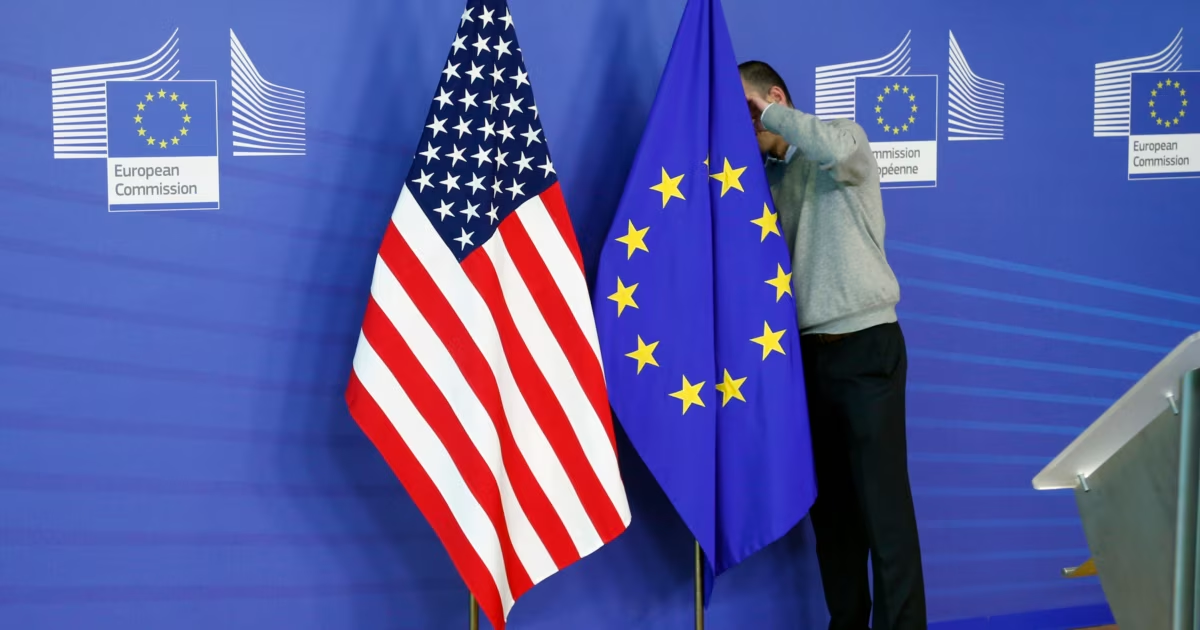
Europe’s long-standing ambition to assert greater independence from the United States is facing a familiar obstacle: itself. As European Union leaders gather in Brussels for a high-stakes summit, their determination to reduce reliance on Washington — in trade, defense, and geopolitics — is colliding with deep internal disagreements that threaten to blunt the bloc’s strategic push.
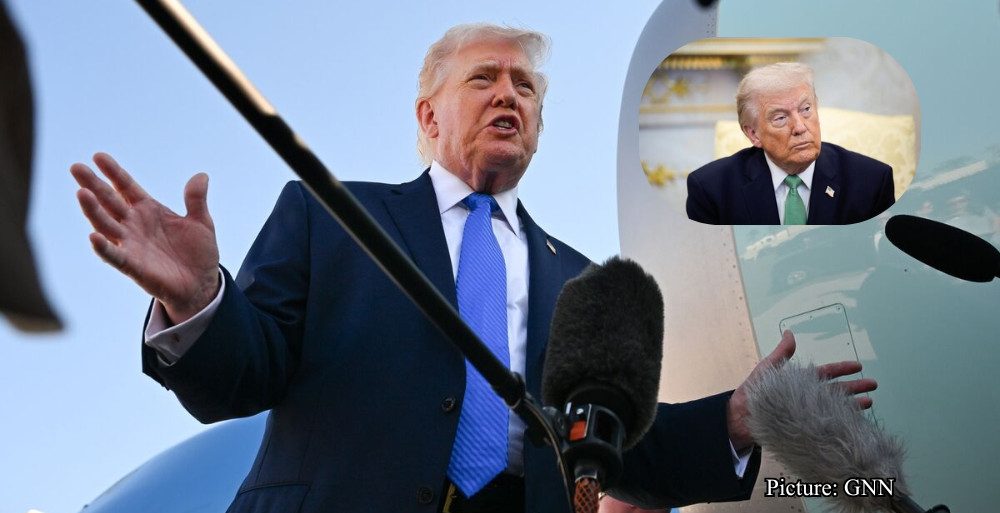
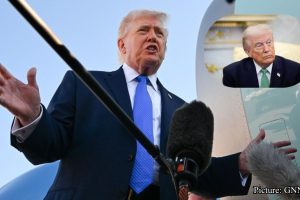
The renewed urgency follows sharp criticism from U.S. President Donald Trump, who recently described Europe as “decaying” and led by “weak” politicians. His remarks have reinforced concerns within EU institutions that the continent must prepare for a more transactional and unpredictable transatlantic relationship.
At the summit, leaders are expected to endorse measures on continued support for Ukraine, increased defense coordination, and policies aimed at boosting Europe’s competitiveness against both the United States and China. But unity on the broad goal of “strategic autonomy” has not translated into agreement on how to achieve it.
Trade ambitions meet political reality
One of the clearest examples of Europe’s struggle lies in the stalled trade agreement with the Mercosur bloc — Argentina, Brazil, Paraguay, and Uruguay. For EU officials, the deal has become symbolic of Europe’s ability to act as a global power independent of Washington.
“The answer to the U.S. on Europe’s ‘decay,’ the answer to China, to Russia, and to the increasingly transactional world order is Mercosur,” a senior EU official told POLITICO, arguing that the agreement would showcase Europe’s geopolitical relevance in Latin America.
Germany, Spain, and several northern European states see the agreement as a “golden opportunity” to open new markets for European businesses and reduce dependence on U.S. and Chinese trade routes.
But France, backed increasingly by Poland and parts of Italy, remains firmly opposed. The resistance is rooted in fears that cheaper agricultural imports — particularly beef and poultry — would undermine domestic farmers and spark political backlash.
“We are pretty much convinced that if there is no possibility of a deal this week, then it’s probably going to be dead,” a German government official warned. “We see that the deal already starting to unravel.”
French officials reject accusations of hypocrisy, arguing that protecting domestic producers is central to their vision of European sovereignty.
“For Paris, this stance aligns neatly with its idea of strategic autonomy — the EU must protect its producers and uphold its standards,” said Georgina Wright, senior fellow at the German Marshall Fund. “But many member states see France as uncompromising, even when it is clearly in the minority.”
The political stakes are high. With France’s far right leading opinion polls ahead of the 2027 presidential election, officials in Paris fear the Mercosur deal could fuel voter anger against the political establishment.
Defense autonomy faces similar fault lines
Trade is not the only area where Europe’s independence push is faltering. Security concerns have intensified as Russia continues its war against Ukraine and U.S. political reliability comes under question.
The European Commission has proposed joint defense initiatives — including shared development of drones and anti-drone systems — to strengthen collective military capabilities. But Europe’s largest powers, France and Germany, have responded cautiously.
Both capitals worry that Brussels could gain too much influence over defense spending and strategic priorities, traditionally the preserve of national governments. As a result, the proposed “flagship” defense projects were absent from the latest draft summit conclusions seen by POLITICO.
Nordic countries, however, continue to push for deeper cooperation, warning that slow decision-making leaves Europe vulnerable.
“The problem is that our competitors and adversaries can act quickly by executive decision,” said one EU official. “We debate endlessly.”
Ukraine funding exposes fractures
The bloc’s divisions are perhaps most visible in the debate over using frozen Russian assets to underwrite a €210 billion loan for Ukraine. While most governments agree Kyiv needs sustained financial support, legal concerns and political risks have slowed consensus.
Belgium, where much of the frozen Russian capital is held, fears legal retaliation, while others warn that unilateral moves could undermine trust in the euro and Europe’s financial system.
Still, officials acknowledge time is running out.
“We can have discussions at evenings, weekends, through the night,” another EU diplomat said. “But when an issue matters this much, we really don’t have any option but to get on and do it.”
Strategic ambition, internal limits
Europe’s attempt to step out of America’s shadow reflects a genuine shift in thinking, driven by geopolitical uncertainty and a changing global order. Yet the summit highlights a persistent paradox: while the EU wants autonomy, its consensus-based system makes decisive action difficult.
As leaders debate trade, defense, and Ukraine, the challenge is no longer whether Europe should stand on its own — but whether it can overcome its internal divisions fast enough to do so.