


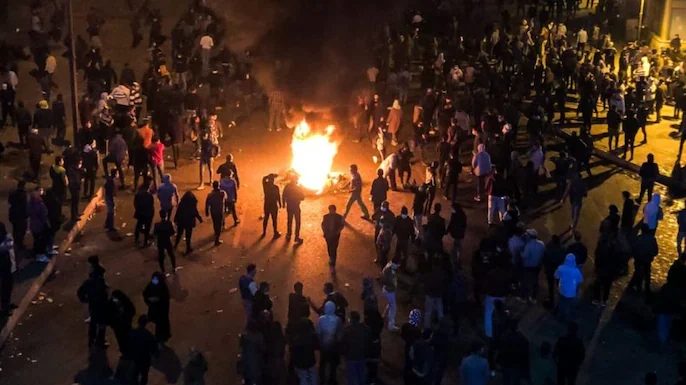
Iran is witnessing its deadliest wave of unrest in years as the death toll from a sweeping government crackdown on nationwide protests has crossed 500, according to human rights activists, raising international alarm and intensifying geopolitical tensions between Tehran and Washington.
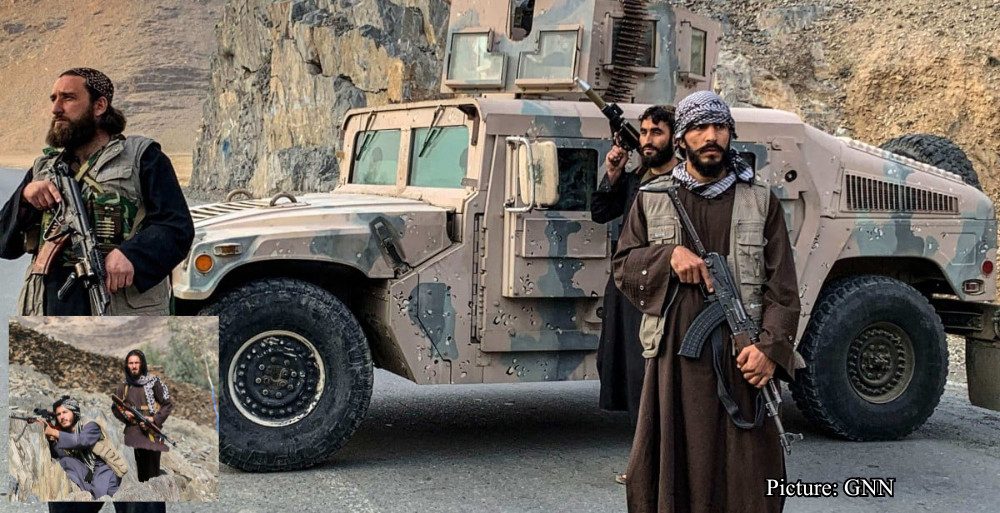
The US-based Human Rights Activists News Agency (HRANA) said on Sunday that at least 538 people have been killed since protests erupted across Iran two weeks ago. Of those reported dead, 490 were protesters, while 48 were members of Iran’s security forces, the agency stated. In addition, more than 10,600 people have been detained, making the unrest one of the most severe internal crises faced by the Islamic Republic in recent years.
Iranian authorities have not released an official death toll, and independent verification within the country remains difficult due to media restrictions and internet disruptions.
The protests, which began on December 28, were initially triggered by soaring prices, inflation, and economic hardship, but quickly evolved into a broader movement challenging Iran’s clerical leadership. Demonstrators across multiple cities have voiced anger at governance failures, corruption, and long-standing political restrictions, marking what analysts describe as the most significant demonstrations since 2022.
Rising Threats and International Warnings
As the unrest continues, Iranian leaders have issued stark warnings to the United States and Israel, cautioning against any foreign intervention. Iranian Parliament Speaker Mohammad Baqer Qalibaf warned Washington against what he described as a dangerous “miscalculation.”
“Let us be clear: in the case of an attack on Iran, the occupied territories (Israel) as well as all US bases and ships will be our legitimate target,” Qalibaf said, according to Reuters.
The warning comes amid signals from the administration of US President Donald Trump, which has expressed support for Iranian protesters and warned Tehran against the use of force. Trump has stated that the United States would consider intervention if Iranian authorities escalate violence against demonstrators.
According to a report by The Wall Street Journal, President Trump is expected to be briefed by senior officials on Tuesday regarding possible US responses to the crisis. Options reportedly under consideration include targeted military strikes, covert cyber operations, expanded economic sanctions, and online support for anti-government activists.
Tehran Blames Foreign Interference
Iran’s leadership has rejected claims that the protests are entirely domestic in origin, accusing external powers of fomenting unrest. The administration of President Masoud Pezeshkian has alleged that the United States and Israel are orchestrating destabilisation efforts inside the country.
State media reported that Iranian authorities have called for a nationwide rally on Monday to condemn what they described as “terrorist actions led by the United States and Israel” against Iran. Officials have framed the protests as part of a broader campaign of foreign interference aimed at weakening the Islamic Republic.
Despite the government’s position, activists and opposition figures argue that the scale of demonstrations reflects deep-seated public dissatisfaction rather than external manipulation.
Trump Voices Support for Protesters
President Trump has repeatedly voiced public support for Iranian demonstrators. In a recent social media post, he wrote: “Iran is looking at FREEDOM, perhaps like never before. The USA stands ready to help!!!”
The statement has further strained already tense US-Iran relations, with Tehran viewing such comments as evidence of Washington’s involvement in domestic unrest.
A Volatile Crossroads
The unfolding crisis places Iran at a volatile crossroads. Domestically, the government faces sustained protests fueled by economic distress and political grievances. Internationally, the standoff risks escalating into a broader confrontation involving regional adversaries and global powers.
Human rights organisations have urged restraint and called for independent investigations into the reported killings and mass detentions. Meanwhile, analysts warn that continued violence could further isolate Iran diplomatically and deepen internal instability.
As protests persist and rhetoric hardens on all sides, the situation remains fluid, with the potential for far-reaching consequences both within Iran and across the Middle East.