





Bangladesh will hold its next general elections on February 12, 2026, marking the country’s first nationwide vote since the dramatic ouster of long-time Prime Minister Sheikh Hasina following a deadly student-led uprising in 2024.
The announcement was made on Thursday by the Election Commission of Bangladesh, bringing clarity to a political transition that has remained uncertain for more than a year.
Interim Government and Rising Political Pressure
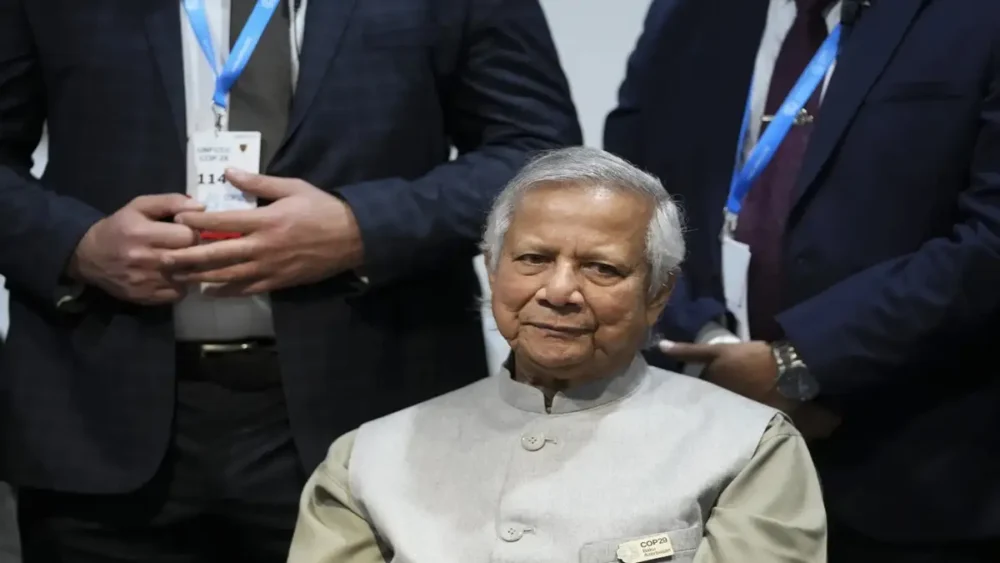
Since Hasina fled to India amid violent unrest, Bangladesh has been governed by an interim administration led by Nobel Peace Prize laureate Muhammad Yunus. While the caretaker government was initially welcomed, it has recently faced growing public dissatisfaction, fueled by delays in promised reforms and widening political divisions.
The Muslim-majority nation of approximately 173 million people has seen renewed protests as expectations for institutional change remain unmet.
‘July Charter’ Referendum to Be Held Alongside Elections
In addition to parliamentary elections, voters will also participate in a national referendum on the proposed “July Charter”, a reform blueprint drafted in response to the 2024 uprising.
Chief Election Commissioner AMM Nasir Uddin, speaking during a national broadcast, said the charter seeks sweeping changes, including:
- Limiting excessive executive authority
- Strengthening judicial independence
- Enhancing the autonomy of election bodies
- Preventing misuse of police and law-enforcement agencies
The outcome of the referendum could significantly reshape Bangladesh’s governance structure.
Key Political Players in the 2026 Election
The Bangladesh Nationalist Party (BNP), led by former Prime Minister Khaleda Zia, is widely viewed as the frontrunner in the upcoming polls.
Also contesting is Jamaat-e-Islami, the country’s largest Islamist party, which has re-entered electoral politics after the interim government lifted previous restrictions. Jamaat had been barred since a 2013 court ruling found its registration inconsistent with Bangladesh’s secular constitution.
Meanwhile, the National Citizen Party, formed by student leaders of the 2024 uprising, is struggling to translate grassroots activism into electoral momentum and currently trails behind more established parties.
Awami League Excluded, Warns of Instability
Sheikh Hasina’s Awami League, which dominated Bangladeshi politics for over a decade, has been barred from participating in the election. The party has warned of potential unrest if the ban is not reversed.
Key Issues Facing Voters
As Bangladesh heads toward the polls, voters will weigh several critical challenges, including:
- Restoring democratic governance
- Reviving the economy, particularly the export-driven garment sector disrupted by political turmoil
- Repairing strained relations with India, complicated by New Delhi’s decision to shelter Hasina
- Tackling entrenched corruption
- Ensuring press and media freedom
The February vote is expected to be a decisive moment in determining Bangladesh’s political direction after one of the most turbulent periods in its recent history.