









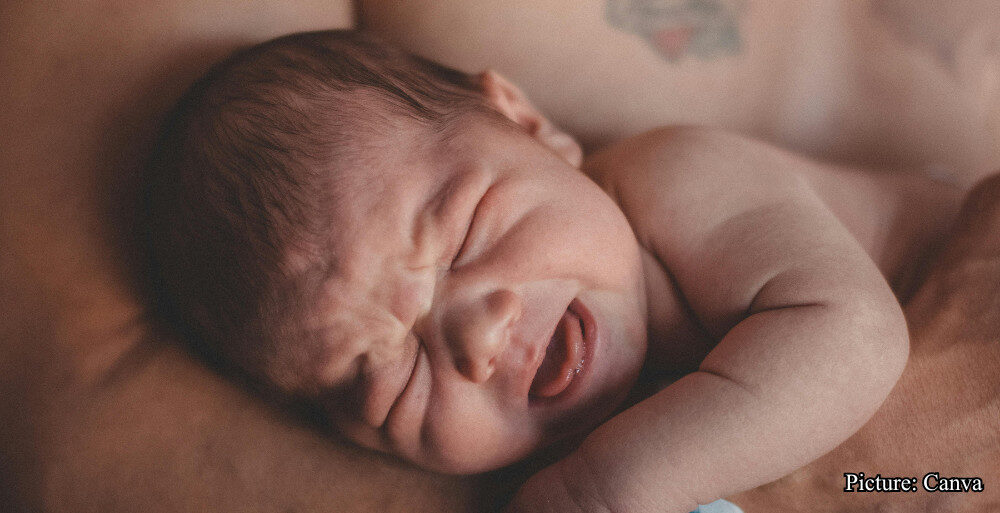
In the grand symphony of life, few creatures arrive in the world as vulnerable as human infants. Unlike the offspring of many other species, which are often ready to stand, walk, or even fend for themselves shortly after birth, human babies are strikingly dependent on their caregivers. This vulnerability is not a mere accident of nature but the result of a profound evolutionary trade-off, a strategic compromise between the demands of bipedalism, the development of large brains, and the physiological limits of motherhood.
To understand this trade-off, we must first consider the evolutionary journey of humans. Our ancestors, the hominins, began to walk upright on two legs several million years ago. This shift to bipedalism was a significant evolutionary advantage, freeing up the hands for tool use and allowing for more efficient locomotion over long distances. However, it also came with a cost. The structure of the pelvis had to adapt to support an upright posture, becoming narrower and more bowl-shaped to accommodate the mechanics of bipedal walking.
This evolutionary shift posed a significant challenge when it came to childbirth. A narrower pelvis meant a tighter birth canal, yet the human brain was evolving to become larger and more complex. This conundrum is often referred to as the \”obstetric dilemma.\” The human brain, and consequently the skull, grew larger to support advanced cognitive functions, yet the birth canal could not widen proportionally without compromising the efficiency of bipedalism.
The resolution of this dilemma was a trade-off that favored the birth of infants at a relatively early stage of development. Human babies are born \”altricial,\” a term used to describe species whose young are born in an underdeveloped state and require extensive care. This early birth allows the infant\’s head to pass through the birth canal more easily, but it also means that much of the brain\’s growth and development occurs postnatally. In fact, the human brain doubles in size during the first year of life, a period when infants are utterly dependent on their caregivers.
This dependency, while seemingly a disadvantage, has profound implications for human development. It creates a prolonged period of learning and socialization, during which infants are nurtured in the rich, complex environments provided by their families and communities. This extended period of childhood is crucial for the development of the sophisticated social and cognitive skills that are hallmarks of our species.
Moreover, the helplessness of human infants has fostered the evolution of unique social structures. The need for extended care has likely driven the development of strong social bonds and cooperative caregiving, traits that are deeply embedded in human societies. The shared responsibility of raising children may have been a catalyst for the development of complex social networks and the cultural transmission of knowledge.
In a broader context, this evolutionary strategy highlights the intricate balance between biological imperatives and environmental adaptations. The trade-off between brain size, bipedalism, and reproductive strategies is a testament to the dynamic interplay of evolutionary forces shaping the human species.
Understanding this trade-off also sheds light on contemporary issues in human health and reproduction. For instance, the increasing rates of cesarean sections in modern societies can be seen as a response to the persistent challenge of the obstetric dilemma, as larger infant head sizes and narrower maternal pelvises continue to pose challenges in childbirth.
In conclusion, the helplessness of human infants is not a flaw but a feature honed by millions of years of evolution. It is a strategic compromise that has enabled the development of our large brains and complex societies. This evolutionary trade-off underscores the intricate and often counterintuitive ways in which life adapts to the challenges posed by the environment and biology. As we continue to explore the depths of human evolution, we gain not only insights into our past but also a deeper understanding of the unique qualities that define our species.