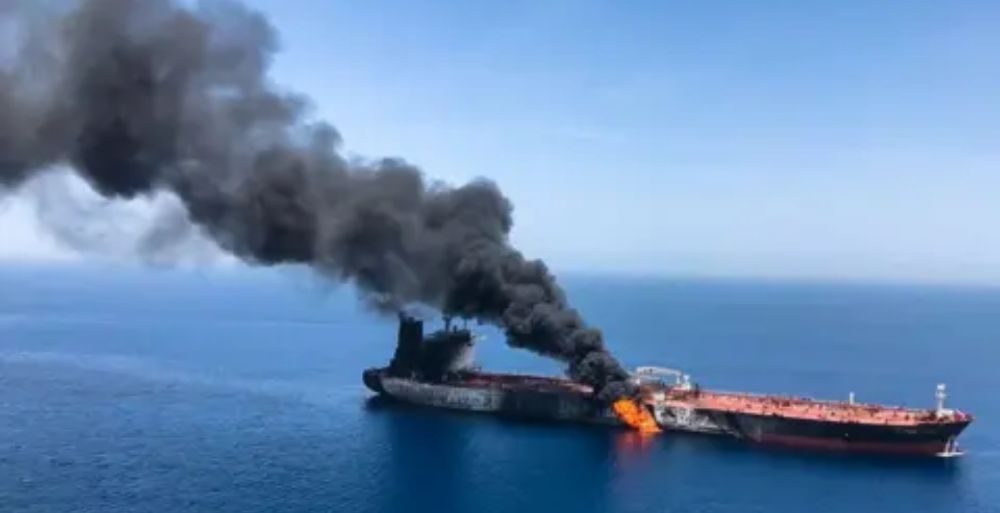







The Gulf region, a geopolitical hotspot, is once again teetering on the brink of conflict. This time, the stakes are higher for India, a nation with deep ties to the area. As tensions rise between US-Israel and Iran, India finds itself in a precarious position, with 8.8 million of its citizens living in the Gulf and a significant portion of its energy supplies reliant on the region.
The Gulf region has long been a crucible of geopolitical tensions, but the current crisis, marked by escalating hostilities between the US-Israel alliance and Iran, poses unprecedented challenges for India. The Indian government has openly stated that it “cannot remain impervious” to the unfolding situation, a sentiment that underscores the gravity of the current predicament compared to past crises, notably those of the early 1990s.
India’s relationship with the Gulf is multifaceted, deeply rooted in historical ties and driven by economic imperatives. The region is home to approximately 8.8 million Indian expatriates, a diaspora that has grown considerably since the 1990s. These individuals not only form a crucial part of the Gulf’s labor force but also contribute significantly to India’s economy through remittances. In 2020 alone, remittances from the Gulf to India amounted to over $40 billion, a lifeline for many families and a vital component of India’s foreign exchange reserves.
The Gulf’s significance to India extends beyond human capital. The region is a cornerstone of India’s energy security strategy, supplying over 60% of its crude oil imports. This dependency makes India particularly vulnerable to disruptions in the Gulf, whether due to military conflict or political instability. The specter of conflict threatens to inflate oil prices, strain India’s current account deficit, and exacerbate domestic inflation, compounding the economic challenges posed by the COVID-19 pandemic.
Historically, India has navigated Gulf crises with a degree of diplomatic finesse, maintaining a delicate balance between competing interests. During the Gulf War of the early 1990s, India managed to evacuate over 170,000 of its citizens from Kuwait and Iraq in what remains one of the largest airlifts in history. However, the geopolitical landscape has evolved significantly since then. The present crisis is complicated by the intricate web of alliances and animosities in the Middle East, as well as India’s own strategic partnerships with both the United States and Iran.
India’s foreign policy has traditionally been characterized by a commitment to non-alignment and strategic autonomy, principles that have guided its approach to international relations since the Cold War. However, the current Gulf crisis tests these principles. On one hand, India has strengthened its ties with the United States, a relationship that has been bolstered by shared democratic values and mutual economic interests. On the other hand, India has maintained a cordial relationship with Iran, a country with which it shares cultural and historical ties, as well as strategic interests such as the development of the Chabahar Port.
The challenge for India lies in balancing these relationships without alienating either side. The US-Israel-Iran conflict is not just a regional issue but a flashpoint with global ramifications, and India’s response will likely be scrutinized by both its allies and adversaries. New Delhi’s diplomatic efforts will need to be nuanced, leveraging its position as a major global player to advocate for de-escalation and dialogue.
Beyond diplomacy, the crisis underscores the need for India to diversify its energy sources and reduce its reliance on the Gulf. While India has made strides in developing renewable energy and exploring alternative suppliers, the transition is far from complete. The current situation could serve as a catalyst for accelerating these efforts, prompting investments in solar, wind, and nuclear energy, as well as exploring new partnerships with energy-rich nations outside the Middle East.
The human dimension of the crisis cannot be overlooked. The safety and well-being of the Indian diaspora in the Gulf is a paramount concern for the Indian government. Past evacuations, although successful, were fraught with logistical challenges and required significant resources. The current geopolitical climate, coupled with the ongoing pandemic, complicates the prospect of a large-scale evacuation. The Indian government will need to work closely with Gulf states to ensure the safety of its citizens, while also preparing contingency plans for their potential repatriation.
In conclusion, the new Gulf crisis presents a complex tapestry of challenges for India, intertwining economic, diplomatic, and humanitarian threads. The stakes are higher than in the past, with millions of lives and billions of dollars in trade and remittances hanging in the balance. As India navigates this turbulent period, it must draw on its historical experiences, diplomatic acumen, and strategic foresight to safeguard its interests and contribute to regional stability. The path forward will not be easy, but with careful planning and decisive action, India can weather the storm and emerge as a stronger, more resilient nation.