





New Delhi, Dec 6, 2025:
A centuries-old culinary tradition drew more than 50,000 people from various faiths to St. John the Baptist Church in Nedumkunnam, Kerala, on October 29. The parish, under the Changanacherry archdiocese, is widely known for its unique Puzhukku Nercha, a ritual food offering served during its annual feast.
“It took only about 10 to 15 minutes to serve everyone,” said Father Varghese Kaithaparambil, the parish priest.
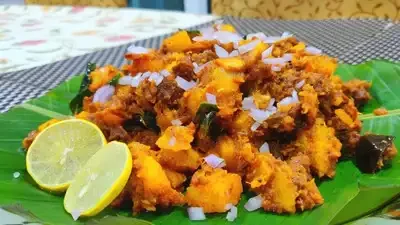
Puzhukku is a classic Kerala dish made by cooking tapioca, yam, banana, fish, or meat into a hearty mashed preparation. “Nercha,” meanwhile, refers to a vow or offering, usually involving the sharing of food during feasts.
Father Kaithaparambil explained that devotees are seated in long rows before being served, following the example of Jesus feeding the multitudes.
A Tradition Rooted in Gratitude
The practice of feeding parishioners after Sunday Mass dates back to 1803, when Portuguese sailors—saved from a perilous situation at sea—built the church as an act of thanksgiving.
“They kept their promise, and Nedumkunnam was blessed with this parish,” the priest noted. It remains the only church in the archdiocese dedicated to St. John the Baptist.
In the early years, worshippers who walked long distances for Mass were served rice. But during World War II, when rice became scarce, the then parish priest encouraged the community to prepare puzhukku instead.
What began as a wartime necessity soon evolved into a tradition that grew stronger each year.
“This year alone, over 50,000 people attended the feast,” said parish trustee Joychan Cherusseril.
A Feast Embraced by All Communities
Over time, the nercha became a symbolic vow for locals—Christians, Hindus, and Muslims alike. Many who attend even claim to have experienced healing after consuming the puzhukku.
Nearly a decade ago, the parish introduced the ara nirakkal or “filling the granary” procession. Residents of all religions join together in bringing ingredients for the massive feast—an annual gesture of unity and cooperation.
An Extraordinary Community Effort
The scale of the preparations is remarkable:
- Cooking begins at 2 AM following a special prayer.
- Food is prepared in 35 large copper pots over traditional firewood stoves.
- Cooked puzhukku is stored in bamboo baskets to maintain its authenticity.
- Men, women, and nuns gather to chop vegetables and meat.
- The meal is served on teak leaves, carefully collected and preserved in advance.
- Devotees also carry portions of the nercha home.
For the parish and the wider community, this annual tradition is more than a feast—it is a powerful symbol of brotherhood, gratitude, and religious harmony, rooted deeply in Kerala’s cultural fabric.