






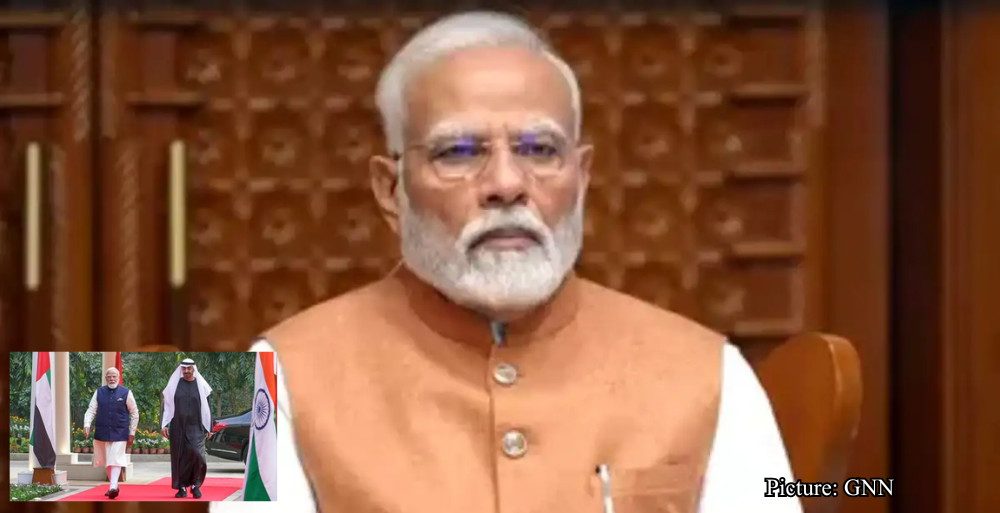
In a rapidly evolving geopolitical landscape, Indian Prime Minister Narendra Modi has been actively engaging with key Gulf leaders to address concerns over the safety of Indian nationals amidst the escalating Iran-Israel conflict, which has claimed its first Indian casualty.
In the intricate web of Middle Eastern geopolitics, where alliances are as volatile as the desert sands, Indian Prime Minister Narendra Modi’s recent diplomatic conversations with the leaders of Saudi Arabia, Jordan, and Bahrain mark a significant maneuver. These dialogues come at a time when the Iran-Israel conflict has not only intensified but also tragically claimed its first Indian casualty, underscoring the immediate risks faced by the substantial Indian diaspora in the region.
India’s relationship with the Gulf countries is multifaceted, characterized by historical ties, economic interdependence, and a shared interest in regional stability. The Gulf Cooperation Council (GCC) countries host a large number of Indian expatriates, whose remittances are a vital economic lifeline for many families back home. This diaspora plays a crucial role in sectors ranging from construction to healthcare, forming a bridge of cultural and economic exchange between India and the Gulf nations.
The recent casualty in the Iran-Israel conflict has brought into sharp focus the vulnerabilities faced by Indians living in conflict-prone areas. Prime Minister Modi’s outreach to the Saudi Crown Prince Mohammed bin Salman, King Abdullah II of Jordan, and King Hamad bin Isa Al Khalifa of Bahrain is a strategic effort to not only ensure the safety of Indian nationals but also to reaffirm India’s diplomatic ties with these influential leaders. These discussions likely covered a range of topics, from immediate safety measures to broader regional security concerns.
Historically, India has maintained a delicate balance in its Middle Eastern policy. While it has deep-rooted cultural and economic ties with Iran, it also shares a robust relationship with Israel, particularly in defense and technology sectors. This dual approach has often required diplomatic finesse, especially in times of heightened tensions like the current scenario. Modi’s engagement with Gulf leaders is indicative of India’s broader strategy to maintain stability and safeguard its interests in the region.
The Iran-Israel conflict, with its deep-seated historical animosities and geopolitical ramifications, poses a complex challenge for regional and global powers. The recent escalation has seen exchanges of rhetoric and military posturing, with potential repercussions for global oil markets and international security. For India, which imports a significant portion of its oil from the Gulf, stability in the region is not just a matter of expatriate safety but also of economic security.
In this context, Modi’s dialogues with the Gulf leaders are not merely reactive measures but part of a proactive diplomatic strategy. By engaging directly with the leadership of Saudi Arabia, Jordan, and Bahrain, India is signaling its commitment to being a proactive player in regional stability. These countries, each with their unique geopolitical significance, are key to any sustainable peace efforts in the Middle East.
Saudi Arabia, under the leadership of Crown Prince Mohammed bin Salman, has been positioning itself as a central player in Middle Eastern geopolitics, balancing its traditional role as a conservative Islamic state with aspirations of economic diversification and modernization. Jordan, with its strategic location and history of mediating regional conflicts, remains a pivotal ally for any peace initiatives. Bahrain, while smaller in size, plays a significant role due to its strategic location and as a host to the US Navy’s Fifth Fleet, which underscores its importance in regional security dynamics.
Modi’s engagement with these leaders, therefore, is a calculated move to align India’s interests with those of key regional players, ensuring that the safety of its nationals is prioritized while also contributing to broader peace efforts. The conversations likely touched upon collaborative measures to enhance security protocols for expatriates and possibly explored avenues for joint diplomatic initiatives to de-escalate tensions.
As the situation in the Middle East continues to evolve, India’s diplomatic efforts will need to be agile and responsive. The safety of its diaspora, the stability of oil supplies, and the broader goal of regional peace are intertwined objectives that require a nuanced approach. Modi’s dialogues with the Gulf leaders are a testament to India’s strategic depth and its commitment to playing a constructive role in international diplomacy.
In conclusion, Prime Minister Modi’s recent engagements with the leaders of Saudi Arabia, Jordan, and Bahrain highlight India’s proactive approach in addressing the immediate concerns of its citizens while also positioning itself as a key player in the quest for regional stability. As the Iran-Israel conflict unfolds, India’s diplomatic efforts will continue to be guided by the principles of pragmatism, strategic engagement, and a commitment to peace. These efforts not only reflect India’s growing stature on the global stage but also its deep-seated commitment to the safety and well-being of its people, both at home and abroad.