






The landscape of public health in India is defined by a complex interplay between historical challenges and modern systemic reforms. In the Kalahandi district of Odisha, this evolution is particularly visible as the region grapples with the transition from traditional practices to a formal, integrated healthcare framework. The socio-economic development of marginalized communities in this region depends heavily on the accessibility and quality of medical services, which are currently being reshaped through collaborative efforts between the state government and non-governmental organizations.
Kalahandi, located in southwestern Odisha, possesses a rich cultural and archaeological history dating back to the Stone and Iron Ages. However, its contemporary reality is characterized by an agrarian economy that remains highly vulnerable to climate fluctuations. Frequent droughts and irregular rainfall patterns often lead to crop failure, which in turn triggers income crises, malnutrition, and a general decline in community health. The district is home to a significant population of Scheduled Castes and Scheduled Tribes, who together make up approximately 46 percent of the local residents. These communities frequently face geographic and social isolation, complicating the delivery of modern medical interventions.
The public health infrastructure in Kalahandi is managed under the umbrella of the National Health Mission of Odisha. The district currently maintains a multi-tiered system including a district hospital, a sub-divisional hospital, and a network of community health centers and primary health centers. A central component of recent policy implementation involves the conversion of existing sub-centers into health and wellness centers. This transition is designed to deliver more equitable and comprehensive primary care, bringing essential services closer to remote habitations. Despite these structural assets, the human element of healthcare remains a significant challenge, as the lived experiences of residents often highlight gaps between policy intentions and actual health outcomes.
Individual narratives from the region underscore the precarious nature of survival for many families. Stories of sudden, unexplained deaths and the resulting displacement of survivors illustrate the high stakes of medical emergencies in areas where specialized care is distant. For many aging residents or single parents living in acute poverty, the lack of a robust support system during a health crisis can lead to long-term social consequences, such as early marriage for children or total economic collapse. These personal histories emphasize that public health cannot be viewed solely through the lens of statistics; it is deeply intertwined with the emotional and physical stability of the individual.
Statistical indicators for Kalahandi reveal a mixed picture of progress and persistent difficulty. While the state of Odisha has seen an overall improvement in health metrics according to recent national surveys, Kalahandi continues to struggle with high maternal and infant mortality rates. The maternal mortality rate stands at 126, while the infant mortality rate is recorded at 32. Furthermore, the district experiences a significant drop-off in child immunization rates following the initial doses. Institutional delivery rates, while improving across the state, lag in Kalahandi at approximately 74.5 percent, leaving a quarter of births to occur at home, often without the assistance of skilled birth attendants.
The prevalence of communicable diseases like tuberculosis, malaria, and dengue fever remains a primary concern in the district. These are now coexisting with an increase in non-communicable conditions, including cardiovascular diseases and ailments linked to tobacco and alcohol use. In remote tribal areas, these health issues are exacerbated by a lack of integration into the broader socio-economic development of the state. Cultural barriers and the patriarchal structure of society also play a role in limiting access to healthcare for women and girls, particularly regarding sensitive issues such as reproductive health and mental illness.
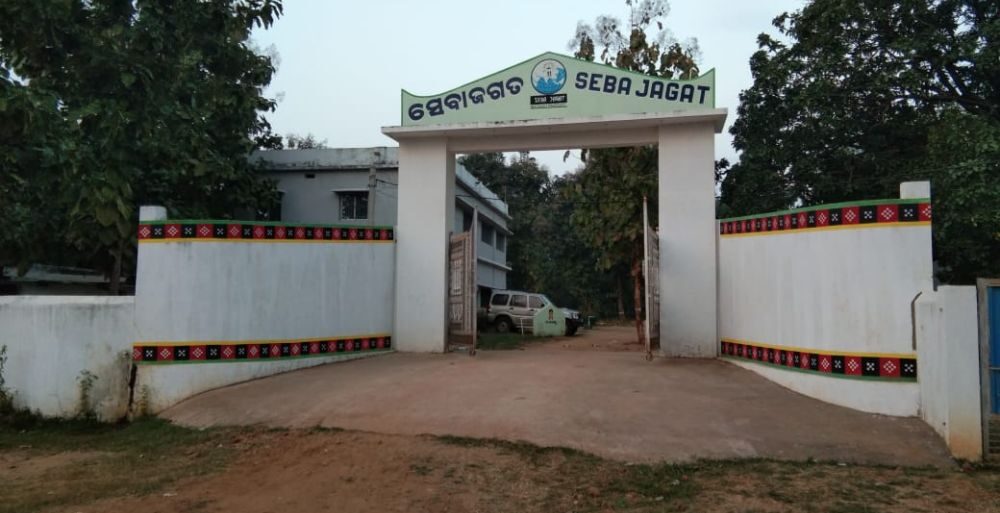
To address these multifaceted challenges, the National Health Policy of 2017 emphasizes the strengthening of primary healthcare through the Public-Private Partnership model. In Kalahandi, organizations like Seba Jagat, which has been active in the region since 1992, play a vital role in bridging the gap between the government and the community. By implementing initiatives like the Rashtriya Kishor Swasthya Karyakram, these organizations help expand the scope of adolescent health services to include nutrition, mental health, and the prevention of substance misuse. This collaborative approach leverages the strengths of both sectors to ensure that health services are not only available but also culturally appropriate and sustainable.
The integration of local knowledge and traditional healing practices is another essential factor in the regional health strategy. In rural Kalahandi, community healers and herbal medicine often serve as the first line of defense. Acknowledging these traditional techniques while introducing modern medical standards creates a more holistic health environment. The goal of recent interventions is to build the capacity of frontline workers, such as ASHA workers and peer educators, to foster better health-seeking behaviors among marginalized groups. This empowers community-based organizations to take ownership of their health outcomes rather than remaining dependent on external aid.
Technology and innovation are also being utilized to improve reporting, recording, and the initiation of treatment. Digital tools are expected to streamline the referral system, ensuring that patients can move efficiently between primary care centers and specialized hospitals. However, the success of these technological advancements depends on the availability of skilled human resources. The scarcity of trained medical professionals in remote areas remains one of the most significant hurdles to achieving the objectives outlined in the National Health Policy.
Reflecting on the impact of the global pandemic, the healthcare system in Kalahandi is undergoing a period of reassessment. While the district’s infrastructure has received recognition through awards for cleanliness and quality, the ongoing struggle of individual patients suggests that further investment is required. Experts suggest that more resources should be directed toward low-cost treatments, essential medicines, and modern medical equipment to ensure that the system remains democratic and responsive to the needs of the poor.
The future of public health in Kalahandi rests on the creation of a robust ecosystem where the government, private sector, and civil society work in unison. By focusing on social accountability and the empowerment of local governance units like Gram Panchayats, the district can move toward a model of health that is both sustainable and inclusive. Strengthening these community platforms ensures that the most vulnerable residents are no longer isolated from the progress being made at the national level.
Ultimately, the goal is to transform the public health landscape from one of \”troubling survival\” to one of comprehensive wellness. This requires a continuous process of learning and unlearning, where old beliefs are phased out in favor of evidence-based practices that respect the dignity and lived experiences of the people. Through sustained collaborative action and a focus on equity, Kalahandi can overcome its historical vulnerabilities and build a healthier future for all its citizens.
Government Partnerships Address Critical Public Health Gaps in Rural Kalahandi District