







Leaders from the Global Organization of People of Indian Origin (GOPIO) have established a specialized task force to counter a surge in anti-Indian and anti-Hindu sentiment through civic engagement and data documentation.
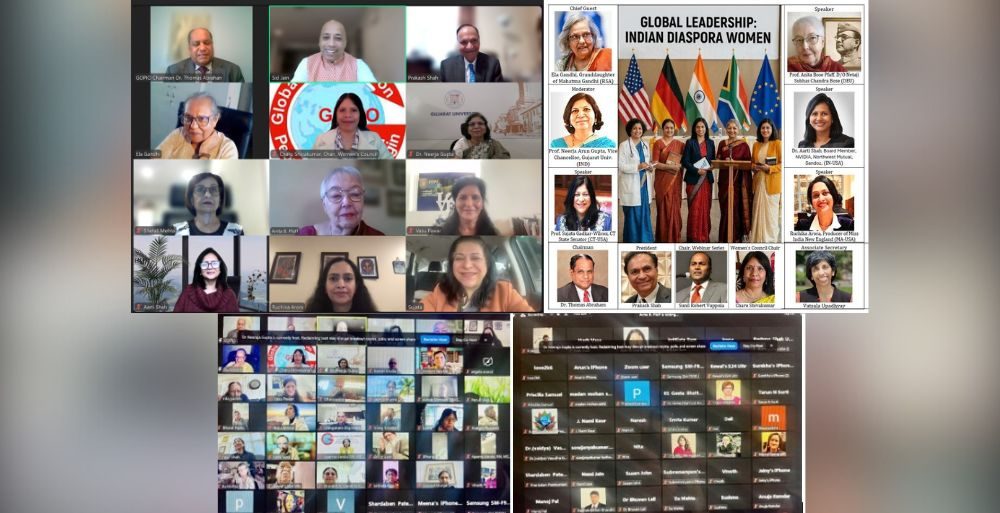
Representatives from major Indian American community organizations, led by the Global Organization of People of Indian Origin (GOPIO) USA, convened on January 19, 2026, to address a marked increase in bias and hostility directed at the diaspora. Chaired by Dr. Thomas Abraham, Chairman of GOPIO USA, the meeting focused on developing a measured, non-confrontational response to anti-Indian rhetoric, which leaders characterized as being fueled by a small fringe of the extreme right. The strategy prioritizes civic responsibility, democratic values, and the documentation of incidents to safeguard the community’s safety and integration within American society.
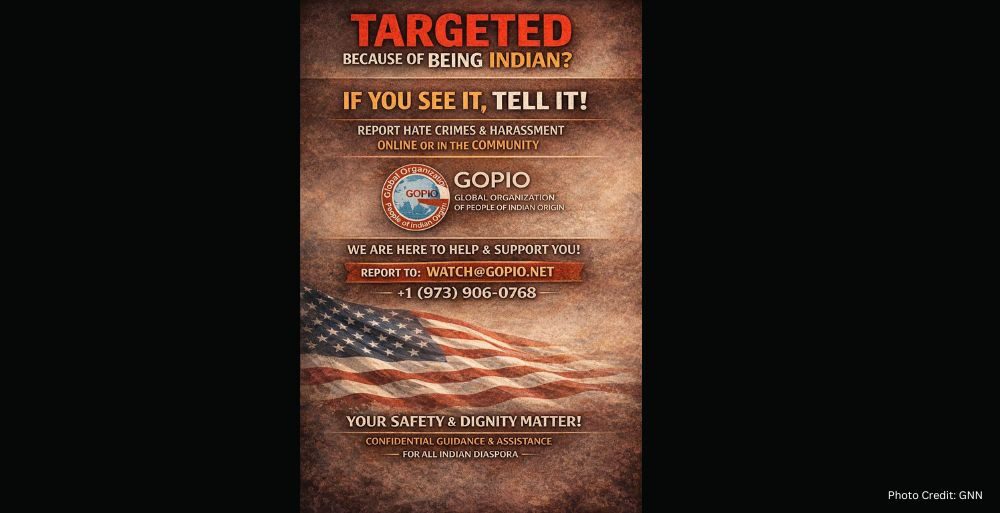
A central pillar of the newly announced action plan is the establishment of a dedicated Task Force designed to monitor hate campaigns and civil rights violations. Chaired by Rajender Dichpally, the committee includes members Nagaraj Subbarao Sarma, Pankaj Sharma, Miraj Joshi, and Jayashri Chintalapudi. GOPIO has launched a specialized reporting mechanism, urging community members to document bias incidents via a dedicated email and hotline. This data-driven approach aims to provide support to affected individuals while offering policymakers and media outlets a factual basis to distinguish legitimate policy debate from harmful stereotyping and digital hate.
Participants at the meeting highlighted the community’s profound economic and social integration as a counter-narrative to rising bias. Indian Americans contribute an estimated $600 billion annually to the U.S. economy and lead approximately 20% of Silicon Valley startups. Furthermore, recent fiscal studies have identified Indian immigrants as the most significant net-positive contributors to the U.S. economy, with each high-skilled immigrant reducing the national debt by an estimated $1.6 million over three years. Despite these contributions, leaders noted that economic anxiety and the politicization of skilled immigration have contributed to increased racial profiling and online hostility.
The strategic response emphasizes “assimilation alongside cultural pride,” urging the diaspora to deepen its participation in local civic institutions. Recommendations from the meeting include expanding voter engagement, bipartisan outreach, and youth leadership development. By building coalitions with other minority and faith-based organizations, GOPIO seeks to strengthen solidarity and uphold pluralistic democratic norms. Leaders reaffirmed that the community’s history of peaceful integration and social contribution serves as its strongest defense against exclusion and hostility.
Ultimately, the GOPIO-led initiative seeks to protect the “Indian diaspora’s story” by focusing on positive storytelling and institutional engagement. As the community moves from being visible contributors to influential decision-makers in American public life, leaders maintain that the response to bias must remain principled and inclusive. The goal is to ensure that the Indian American community continues to be a resilient and integrated force in the strengthening of American democracy while addressing the specific challenges posed by modern digital platforms and shifting political climates.