








An evocative art exhibition and documentary screening held this week on Capitol Hill has brought renewed focus to the long-standing humanitarian crisis faced by Hindu and other religious minority communities from Pakistan, drawing attention to allegations of forced conversions, abductions, and systematic persecution that organizers say have remained largely absent from global policy conversations.
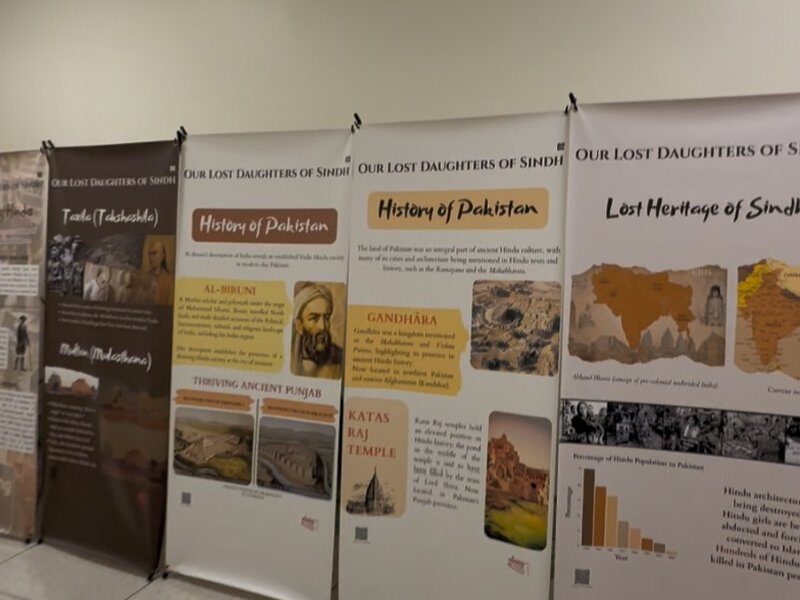
Titled “Seven Decades,” the immersive exhibition is supported by HinduAction and combines photography, textile art, large-scale visual installations, quilts, and documentary film to chronicle what organizers describe as a hidden refugee crisis unfolding over generations. The exhibition was strategically hosted on Capitol Hill to engage United States Congress members, congressional staff, and policy advisers, encouraging deeper awareness of the human rights challenges faced by religious minorities in Pakistan and the experiences of those who have fled to India in search of safety.
Art as Testimony to Displacement and Survival
According to curators, Seven Decades documents the lives of Hindu refugees now living in camps across India after escaping religious persecution. The exhibition features stark black-and-white photographs, extended narrative panels, and mixed-media installations that portray stories of displacement, cultural erasure, and resilience.
One of the most striking installations, known as the “Goddess Quilt,” centers on the strength of women who have rebuilt their lives after fleeing violence and coercion. Crafted with layered fabrics and symbolic imagery, the piece reflects both trauma and survival, honoring women who endured forced conversions, abductions, and social exclusion.
Another segment, referred to as the “absence series,” presents haunting visuals of abandoned homes, deserted temples, and disrupted family rituals. These works seek to illustrate the emotional cost of forced migration — the loss not only of land and livelihood, but also of identity, heritage, and continuity.
From Global Cities to Washington’s Policy Corridors
Organizers noted that Seven Decades has previously been showcased in cities such as Sydney, Melbourne, London, New York, and Mumbai. However, bringing the exhibition to Washington was seen as a pivotal step toward amplifying the issue within international policy and human rights advocacy circles.
“Art has the power to communicate truths that statistics alone cannot,” an organizer said. “By bringing these stories directly to Capitol Hill, we hope decision-makers will better understand the human cost behind policy debates on religious freedom and refugee protection.”
Documentary Screenings Expose Alleged Abuses
Alongside the exhibition, the event featured short films and documentary screenings examining allegations of forced conversions and abductions of minority girls in Pakistan. Representatives from humanitarian organizations working with affected families said the films were intended to provide lawmakers with a clearer, case-based understanding of how such incidents unfold.
The documentary presented a detailed narrative of what organizers described as a recurring pattern: abduction, forced religious conversion, coerced marriage, and limited legal recourse for families seeking justice. It also explored how poverty, marginalization, and lack of institutional protection make minority communities particularly vulnerable.
An interactive walkthrough element recreated domestic spaces using sound, imagery, and testimonial narratives. This experiential approach illustrated what organizers described as a systematic process involving traffickers, religious figures, political influence, and institutional failures, offering viewers an immersive understanding of the refugee experience.
A Broader Call for International Attention
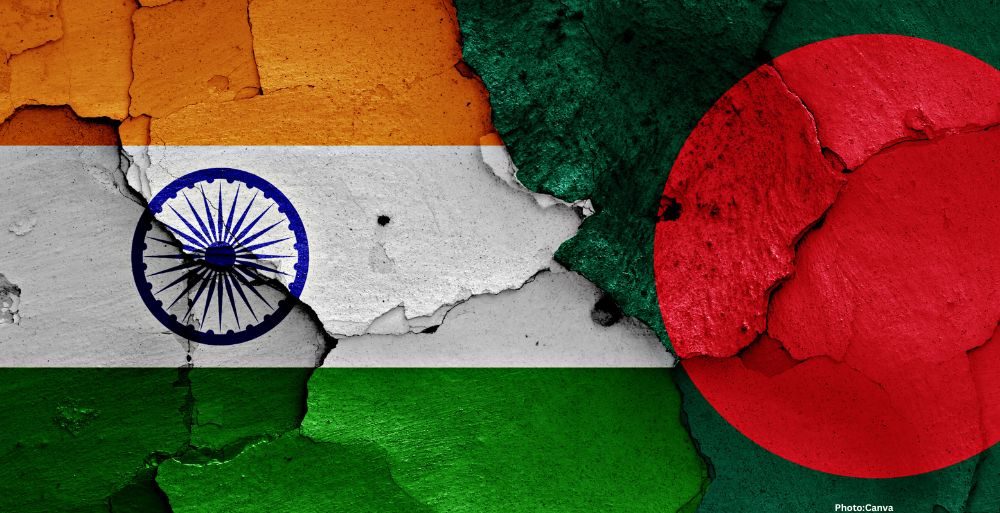
Organizers emphasized that Hindus constitute a small minority within Pakistan and argued that their plight has not received sufficient global attention compared to other humanitarian crises. They also pointed to emerging concerns in Bangladesh, where shifting political dynamics have raised alarms among minority rights advocates.
The Capitol Hill exhibition reflects a broader effort by diaspora organizations to use art, film, and firsthand testimony as tools of advocacy. By framing creative documentation as both remembrance and resistance, organizers aim to integrate human rights concerns involving religious minorities into international policy discussions.
As lawmakers and staffers moved through the exhibition, many described the experience as sobering and emotionally resonant. Whether it translates into concrete policy action remains to be seen, but organizers say the goal is clear: to ensure that the stories of displaced families are no longer invisible.