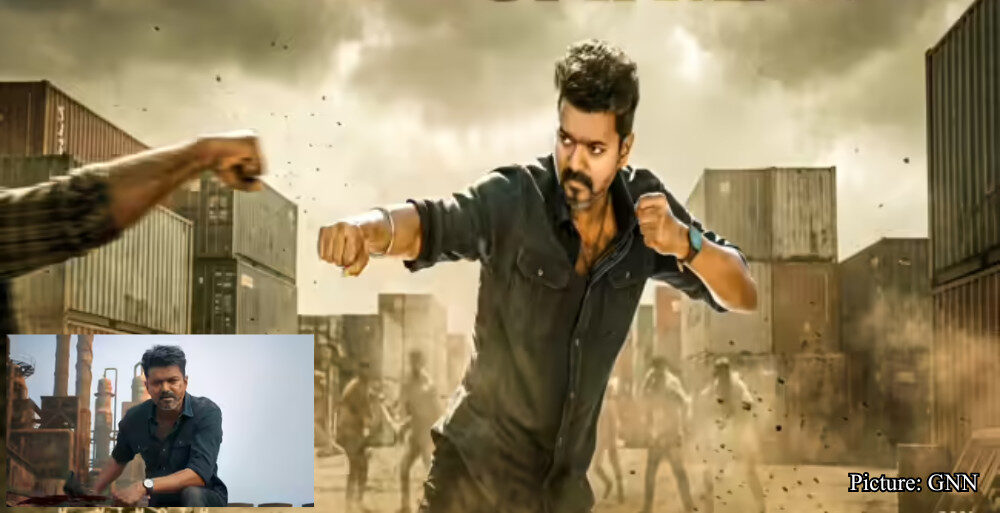








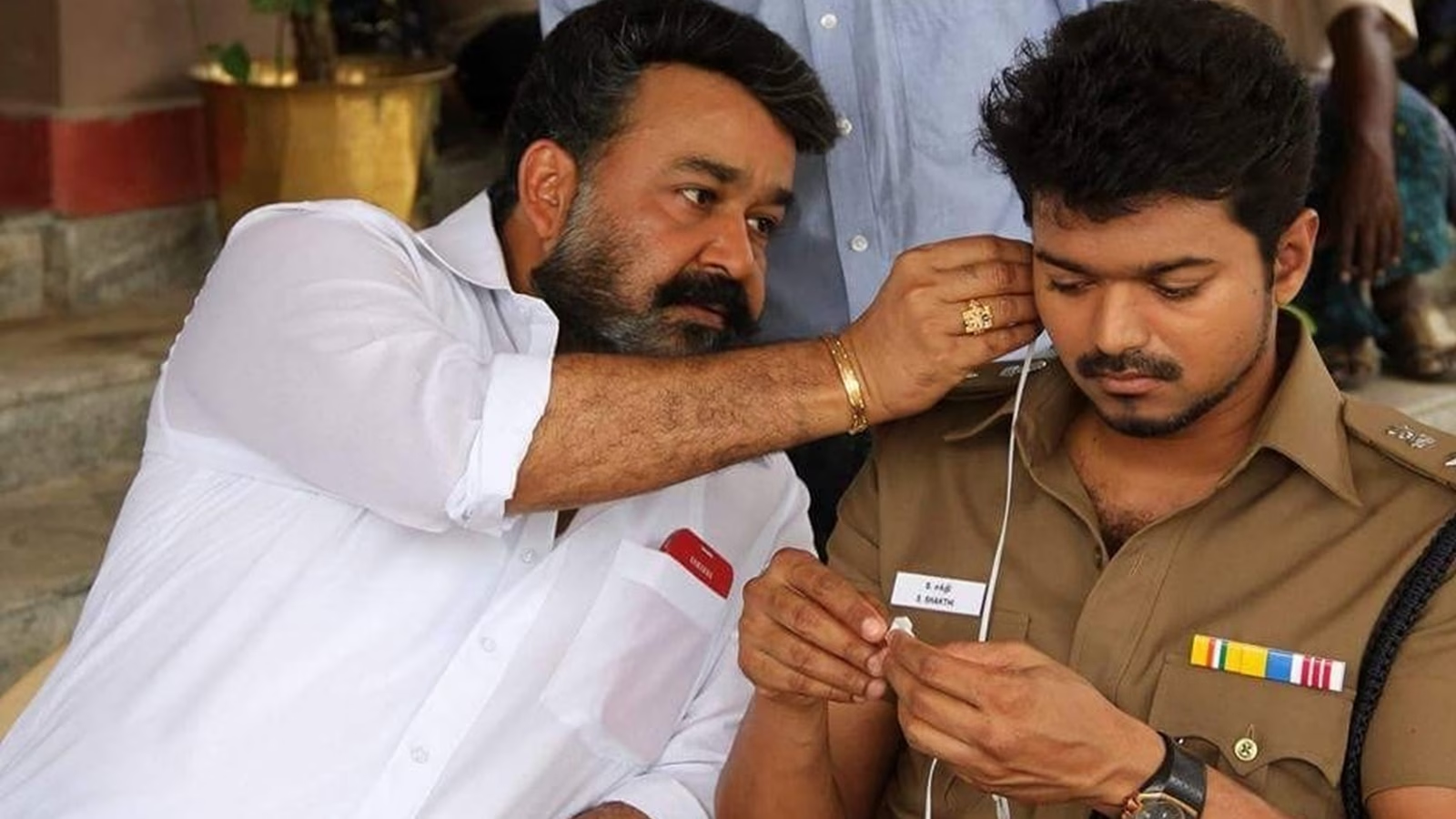
In an industry often defined by box-office numbers, opening-day collections, and billing order battles, rare moments of humility tend to stand out long after the applause fades. One such moment emerged during the making of Jilla, the much-discussed collaboration between Tamil superstar Vijay and Malayalam cinema icon Mohanlal. What could have easily become a clash of egos instead turned into a quiet yet powerful statement about respect, seniority, and values that transcend stardom.
Released at a time when both actors were at commanding peaks in their respective industries, Jilla was always more than just a commercial entertainer. It symbolised a rare cultural crossover—bringing together two of South India’s most influential stars under one banner. But behind the scenes, it was a decision about a title card that truly revealed the character of those involved.
A Request That Spoke Volumes
During the production of Jilla, Vijay reportedly approached director R. T. Neason with a request that surprised many. Despite being the primary crowd-puller in Tamil cinema at the time and the film’s central protagonist, Vijay insisted that Mohanlal’s name should appear before his own on the film’s title card.
For Vijay, the reasoning was simple yet profound: seniority and experience deserved precedence over box-office hierarchy. Mohanlal, with more than three decades of work across Malayalam, Tamil, Telugu, and Hindi cinema, represented a legacy that Vijay felt should be acknowledged first.
“It is not about who the bigger star is today,” Vijay reportedly conveyed during discussions. “It is about respecting the journey and experience.”
Mohanlal’s Humble Counter
True to his own reputation for humility, Mohanlal initially resisted the idea. The veteran actor felt that Vijay’s name should take precedence, pointing out that Jilla was primarily a Tamil-language film and that Vijay was the film’s biggest commercial draw in the state.
Observers close to the production recall that Mohanlal believed credit placement should reflect the film’s market realities. Yet Vijay stood firm, refusing to compromise on what he saw as a matter of principle rather than promotion.
Eventually, the makers went ahead with Mohanlal’s name appearing first, followed by Vijay’s—an outcome that pleased neither ego nor marketing formulas, but satisfied something far more enduring: mutual respect.
More Than Just a Credit Roll
At first glance, the order of names on a title card may seem trivial. But in an industry where credit placement is often fiercely negotiated, the Jilla decision resonated deeply with fans and industry insiders alike. It became a symbolic gesture—one that quietly reinforced the idea that cinema, at its best, is built on collaboration rather than competition.
At the time, Vijay had already completed over two decades in cinema, steadily rising from a romantic hero to a mass entertainer with an enormous fan base. Mohanlal, meanwhile, brought with him more than thirty years of unparalleled experience and critical acclaim, having redefined performance-driven cinema in India. The title card reflected this generational and professional dynamic without a single word being spoken.
A Collaboration That Endures
Beyond the two leads, Jilla featured a strong supporting cast including Kajal Aggarwal, Soori, Sampath Raj, Pradeep Rawat, Mahat Raghavendra, and Nivedha Thomas. The film went on to secure a lasting place in South Indian cinema as a memorable collaboration between two distinct film cultures.
Years later, as Vijay prepares for what many believe will be his final on-screen phase and Mohanlal continues to make selective appearances—including a recent cameo in Bha.Bha.Ba—the Jilla anecdote continues to resurface as a reminder of what truly defines a legacy.
Why the Story Still Matters
In an era increasingly dominated by branding and star valuation, the Jilla title card story endures because it highlights something rarer than fame: character. Fans often celebrate stars for their performances, but moments like these reveal why certain artists command respect beyond the screen.
As industry observers often note, stardom may fill theatres, but humility builds history. Vijay’s insistence on placing Mohanlal first did not diminish his own stature; instead, it enhanced it—cementing his image as a star who understands that respect, once given, returns manifold.
In the end, Jilla was not just a film—it was a lesson in grace, reminding audiences that shared values often leave a deeper imprint than shared screen space ever could.