






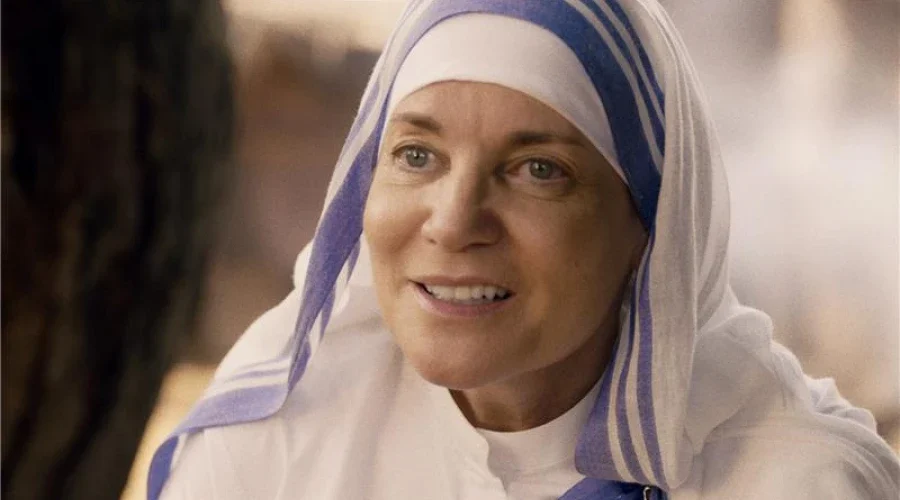
A new feature film titled Mother offers a strikingly different portrait of Mother Teresa — not as an untouchable icon of purity, but as a complicated woman shaped by conviction, conflict, and profound inner struggle.
Rather than glorifying her life, the film invites viewers to reconsider Teresa as a human being navigating chaos, doubt, and moral dilemmas within a turbulent India and a rigid Church.
A Calling Born in Crisis
At just 19, Anjeze Gonxhe Bojaxhiu — later known as Mother Teresa — left Europe for India as part of the Loreto Order. Calcutta (now Kolkata) in the mid-20th century was suffocating under overcrowding, poverty, disease, and the immense fallout of independence from British rule.
The film immerses viewers in this world, replacing romanticized imagery with harsh, claustrophobic realism — the noise, the hunger, the decay. It depicts a young woman trying to discern her purpose amid overwhelming suffering.
During a train journey, Teresa experiences what she later described as a “calling within a calling”: to serve not just God, but the poorest of the poor.
Teresa as a Rebel Against the Church
Swedish star Noomi Rapace plays Teresa with intensity — not as a serene icon, but as a woman who dared to challenge her Church.
Her plan was radical:
- leave her convent
- live directly in the slums
- care for the sick and dying
- found a new order outside strict Church structures
The Vatican initially resisted, seeing her ideas as breaking tradition and disobedience. Still, she persisted. In 1950, the Missionaries of Charity was finally approved.
The film contrasts:
- the grim slums
- the polished girls’ school she once taught in
- the austere convent she later ruled with strict discipline
Vanity, Compassion, and Confronting Controversy
The film doesn’t shy away from questioning Teresa’s motivations. In one scene, she quietly wonders if her mission stems from compassion — or vanity.
Another moment sees her confronting the Church’s harsh stance on abortion, asking whether mercy and dissent can coexist. These scenes humanize a woman often placed on a pedestal beyond critique.
The Darker Side of the Myth
Though canonized in 2016, Teresa has faced decades of criticism:
- Human rights advocates claim her homes lacked proper medical care.
- She accepted donations from controversial sources.
- Critics argue she glorified suffering instead of alleviating it.
- Christopher Hitchens famously accused her of fostering poverty rather than fighting it.
Teresa’s own writings, released in 2007, reveal her spiritual anguish — decades of doubt and emotional emptiness. This vulnerability makes her portrayal profoundly human.
Was Mother Teresa a Feminist?
The film’s director, Teona Strugar Mitevska, says yes — at least in part.
From one angle, Teresa was unquestionably a formidable woman:
- defying patriarchal Church norms
- founding her own global religious order
- gaining international influence and authority
But she also embodied values of sacrifice, obedience, and motherhood — notions criticized by modern feminists, especially given her staunch anti-abortion stance.
The film presents both truths, allowing viewers to debate what “feminist” means in her context.
Why This Film Matters Today
With global debates on:
- poverty
- women’s rights
- abortion
- religious authority
- sainthood and moral complexity
…this film arrives at a crucial moment.
It asks:
Can a woman be revered as a saint while also being deeply flawed and politically divisive?
Rather than offering answers, Mother simply observes — encouraging a more nuanced, honest conversation about one of the most influential women of the 20th century.