








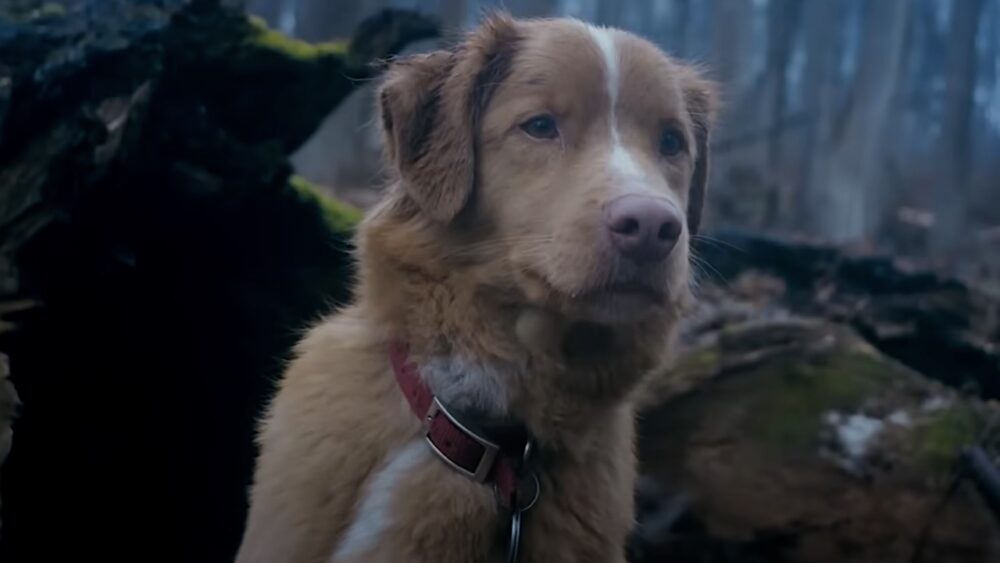
A wave of support is building behind a grassroots campaign that seeks to award a canine performer from a horror film with an honorary Oscar. The dog — a Nova Scotia duck tolling retriever named “Indy” — gained acclaim for his role in the indie horror movie Good Boy, and now thousands of fans want him to be officially honored by the film industry’s highest body.
More than 43,000 people have signed an online petition calling on the academy to grant Indy an honorary Oscar for his performance, with the goal of eventually reaching about 45,000 signatures. Supporters argue that Indy delivered a memorable portrayal that resonated with audiences, and claim such recognition would underscore the contribution of animal actors to cinema.
The petition’s creator argues that each year, when the Oscars celebrate actors, directors, and creators, a standout performer like Indy is being overlooked simply because he is not human. As the campaign puts it: a devoted and expressive cinematic performance is still a performance, regardless of the performer’s species. The movement aims to challenge traditional notions of award eligibility to include extraordinary animal performances.
Indy’s director has publicly backed the campaign, adding that the dog — often dressed to charm — would be delighted to walk the red carpet if given the chance. The director also emphasised that Indy’s work in Good Boy was not just about performing tricks: instead, his acting — calm but expressive, emotional yet believable — helped shape the film’s suspense and horror atmosphere.
Historically, animal actors have rarely been considered for formal film awards. The only non-human ever “honored” with an Oscar-like recognition was a fictional animated character decades ago — and that distinction technically went to the character’s creator, not the character itself. Over time, Hollywood has preferred awarding human actors and creators, while offering animal performers limited recognitions through specialized or now-defunct awards.
This petition movement reflects broader questions about how the film industry values performances and who qualifies for recognition. Supporters believe that awarding Indy would set a significant precedent — not just as a nod to one dog, but as a statement valuing art, dedication, and emotional connection in all forms.
While some may see the campaign as symbolic, its growing popularity points to changing attitudes among movie-lovers worldwide. If the movement succeeds, it could prompt serious discussions among the awarding bodies about expanding award eligibility. Either way, Indy’s journey highlights the often-overlooked artistry and talent of animal actors — an aspect of filmmaking that rarely gets the spotlight it deserves.