








For decades, tour guide Vishu Das devoted his life to telling the iconic love story of the Taj Mahal. But in a moment of emotional turmoil, he begins questioning everything he once believed. “What if the story we’ve told all these years is false?” he asks, staring at the marble monument from a nearby rooftop. His distress spirals into a provocative idea: “Why not run a DNA test on the Taj Mahal?”
His final conclusion is bleak: “We are spreading a lie.”
This dramatic scene appears in director Tushar Goel’s controversial Bollywood film “The Taj Story,” released in October. The film challenges the widely accepted historical account of the Taj Mahal and embraces a debunked theory that claims the 17th-century mausoleum was originally a Hindu palace later “taken over” by Muslim rulers.
The movie has become the latest addition to a growing wave of pseudo-historical Bollywood films accused of rewriting India’s past and portraying Muslims negatively—mirroring the ideology of the ruling Bharatiya Janata Party (BJP), which critics say has repeatedly been linked to Islamophobic narratives.
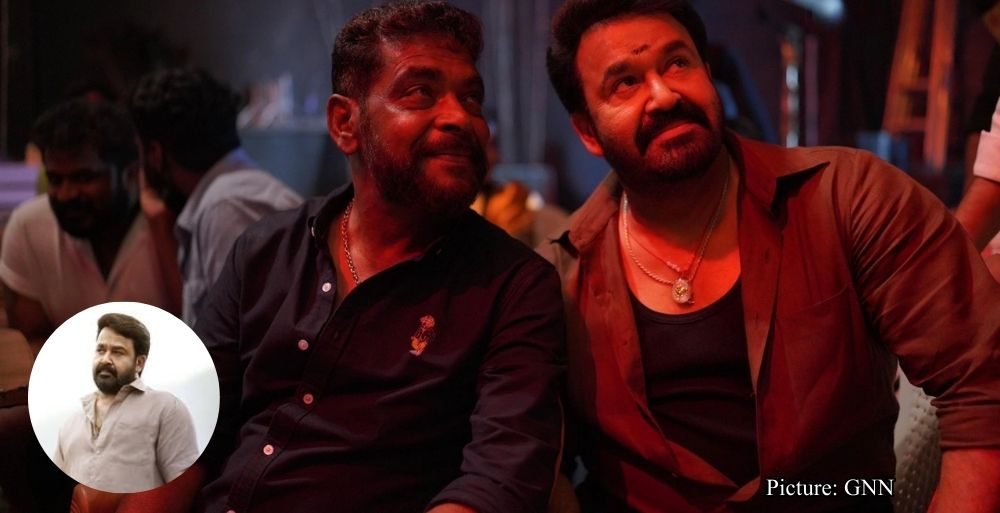
Actor Paresh Rawal, who plays Vishu Das, is himself a former BJP parliamentarian, though the director insists the film is not politically funded.
Indian media and historians have dismissed the film’s claims.
The Indian Express described the movie as “a collage of conspiracy theories,” while The Week declared it a failure both “as cinema and as propaganda.”
Despite a disclaimer stating the movie is fictional, the narrative has resonated with some viewers and BJP supporters. The film earned around $2 million at the box office—modest but enough to attract attention.
The Taj Mahal: India’s Eternal Symbol of Love
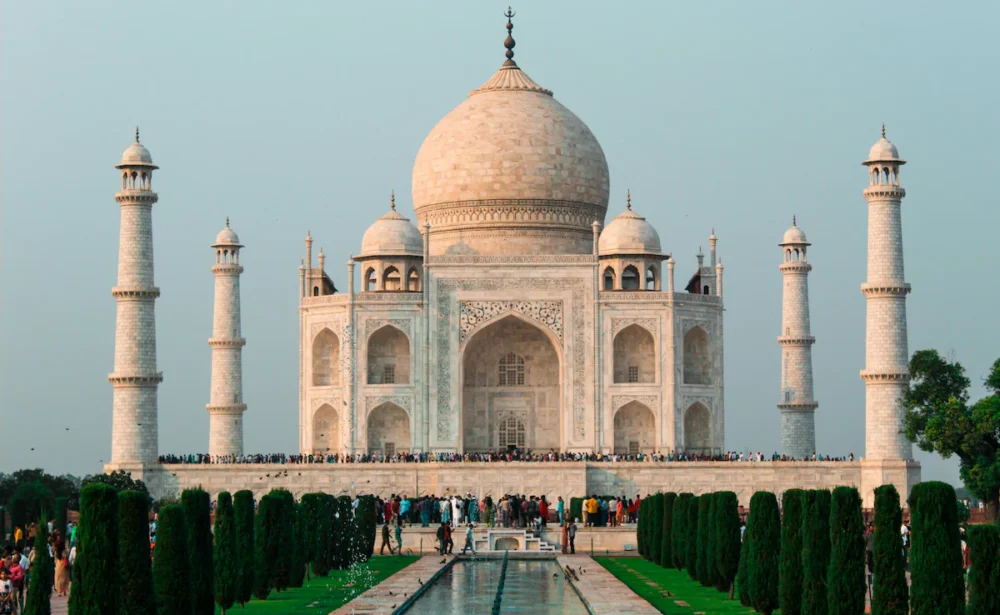
The Taj Mahal, standing along the Yamuna River, is a UNESCO World Heritage Site commissioned by Mughal emperor Shah Jahan in memory of his beloved wife Mumtaz Mahal. It draws millions of visitors every year and remains one of the world’s most recognizable monuments, embodying devotion, artistry, and India’s pluralistic past.
“The Taj Story,” however, attempts to dismantle that narrative.
The film presents a courtroom drama where Das challenges the official history of the monument. As the hearings unfold, well-documented historical evidence is overshadowed by passionate monologues accusing historians of “leftist propaganda” and distorting Mughal history. While Goel claims the film is “not about Hindus or Muslims,” the portrayal of Muslims as antagonists tells a different story.
Rawal insists the movie “speaks about facts,” though historians and India’s Archaeological Survey categorically reject the theories it promotes.
A Broader Push to Rewrite India’s Past
The film arrives at a time when India is witnessing an intensified effort to redefine its historical narrative.
Since 2014, critics say the BJP-led government has attempted to reshape historical memory by:
- Revising textbooks to marginalize Mughal history
- Renaming cities and streets of Islamic origin
- Demolishing Muslim properties under the guise of illegal construction
- Promoting narratives that position Hindu heritage as central and Islamic contributions as invader-driven
The film’s themes echo the decades-long controversy surrounding the Babri Masjid in Ayodhya—demolished in 1992 by Hindu nationalists who claimed it stood atop a Hindu temple. The incident remains one of India’s most polarizing communal flashpoints.
In 2017, the Taj Mahal was omitted from a state tourism booklet ruled by the BJP, sparking public outrage. In 2022, a BJP politician demanded access to 22 closed rooms inside the monument, seeking “proof” of a Hindu temple—again invoking the debunked Tejo Mahalaya theory.
The Archaeological Survey of India has repeatedly denied these claims due to a lack of evidence.
Historian Swapna Liddle reiterates that the Mughal era is exceptionally well-documented. The construction of the Taj Mahal, she emphasizes, is recorded in extensive government archives, architecture papers, and chronicles of the time.
Bollywood’s Shift Toward Polarization
For most of its history, Bollywood championed secular values and unity. But over the past decade, critics argue the industry has increasingly aligned with right-wing ideologies.
Recent films such as “The Kashmir Files” (2022) and “The Kerala Story” (2023) have faced sharp criticism for vilifying Muslims and distorting historical events. Meanwhile, movies perceived as disrespectful toward Hindu traditions—like “Annapoorani” (2023) or “Padmaavat” (2018)—have led to intense protests.
Historians warn that films like “The Taj Story,” although fictional, can strongly influence public perception. Many viewers accept cinematic narratives as truth, making them powerful tools for rewriting collective memory.
As Liddle notes, “These fictionalized accounts have enormous influence because people believe they reflect actual history.”
The Taj Mahal Still Stands, But the Narrative Around It Is Shifting
The Taj Mahal itself remains untouched—its marble still gleaming across the Yamuna, symbolizing harmony and timeless love. But the cultural and political narrative surrounding it is increasingly fractured.
“We are witnessing films that cast Muslim historical figures as villains,” Liddle says.
“This aligns with a political agenda—and it is a dangerous form of distortion.”