








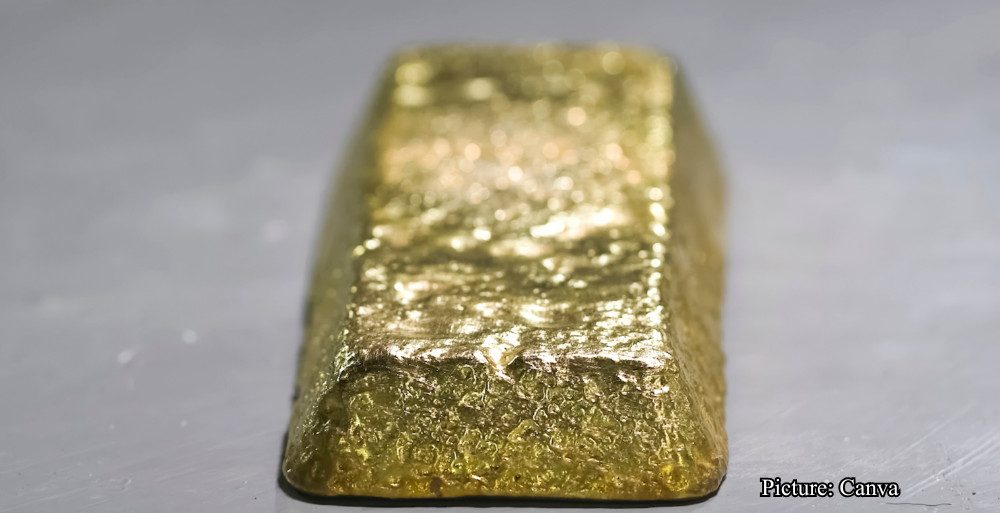
Lab-grown gold, a new entrant in the precious metals market, is poised to disrupt the traditional gold industry much like lab-grown diamonds have done in the jewelry sector. This innovation raises questions about authenticity, value, and cultural significance, especially in gold-obsessed markets like India.
In the world of precious metals, gold has always held a unique place. Revered for its beauty, rarity, and malleability, it has been a symbol of wealth and power for millennia. While the allure of gold remains unchanged, the methods of obtaining it are undergoing a radical transformation. Lab-grown gold, also known as synthetic or cultivated gold, is emerging as a potential game-changer, promising to revolutionize the market much like synthetic diamonds have in recent years.
Lab-grown gold is produced through a process known as chemical vapor deposition (CVD). This method involves the deposition of gold atoms onto a substrate, layer by layer, in a controlled environment. The process mimics the natural formation of gold, albeit at an accelerated pace and without the environmental degradation associated with traditional mining. The result is a product that is chemically identical to mined gold, possessing the same physical properties and aesthetic appeal.
The advent of lab-grown gold is particularly significant in countries like India, where gold is not merely a commodity but a cultural cornerstone. In Indian households, gold is deeply intertwined with religious rituals, weddings, and festivals. It is considered a safe investment, a status symbol, and a form of security passed down through generations. The introduction of lab-grown gold has sparked a debate over its authenticity and whether it can hold the same cultural and financial value as its mined counterpart.
From an environmental perspective, lab-grown gold offers several advantages. Traditional gold mining is notorious for its environmental impact, including deforestation, habitat destruction, and the release of toxic substances like mercury and cyanide. In contrast, lab-grown gold production is relatively clean, requiring less land and water and generating minimal waste. This makes it an attractive option for environmentally conscious consumers and investors.
However, the question remains: will lab-grown gold be accepted by the market, particularly in regions where gold’s cultural significance is paramount? The answer may lie in how well the industry can communicate the benefits of lab-grown gold without undermining the traditions and values associated with natural gold. For many consumers, the appeal of gold is not just in its physical properties but also in its historical and cultural narrative. As such, lab-grown gold must navigate the delicate balance between innovation and tradition.
Financially, lab-grown gold presents both opportunities and challenges. On one hand, it could democratize access to gold by lowering the entry cost for consumers. On the other hand, its impact on gold prices and the broader market remains uncertain. If lab-grown gold becomes widely accepted, it could lead to a re-evaluation of gold’s intrinsic value and its role as a safe-haven asset. Investors may need to reassess their strategies, considering the potential for lab-grown gold to influence supply and demand dynamics.
The jewelry industry, which has already experienced the disruptive impact of lab-grown diamonds, provides a glimpse into the potential future of lab-grown gold. Initially met with skepticism, lab-grown diamonds have gained traction due to their ethical and environmental benefits, as well as their lower cost. Jewelers have embraced these stones, offering consumers an alternative that aligns with modern values. A similar trajectory could unfold for lab-grown gold, provided the industry can effectively address concerns about authenticity and value.
In conclusion, lab-grown gold represents a fascinating intersection of technology, economics, and culture. It challenges traditional notions of value and authenticity while offering a more sustainable and potentially more accessible alternative to mined gold. As the market for lab-grown gold develops, it will be crucial to monitor how it is received by consumers, particularly in regions where gold holds deep cultural significance. The success of lab-grown gold will depend not only on its physical and financial attributes but also on its ability to resonate with the stories and traditions that have defined gold’s place in human history.