









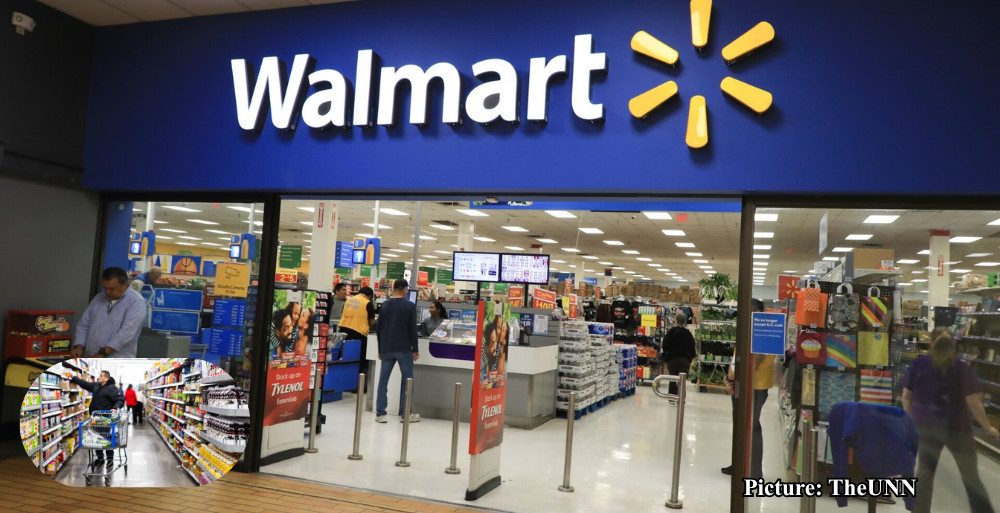
Walmart’s recent earnings report indicates a notable change in its customer base, with an uptick in higher-income shoppers, suggesting broader implications for consumer behavior amid economic pressures.
Walmart Inc., the largest retail corporation in the United States, has disclosed a significant transformation in its customer demographics during its Q4 2026 earnings call. The company reported a marked increase in the number of higher-income shoppers visiting its stores, a trend that raises important questions about changing consumer behavior in the face of persistent economic challenges, particularly inflation that continues to pressure household budgets.
During the earnings call, CEO John Furner highlighted the difficulties faced by lower-income households, stating, “For households earning below $50,000, we continue to see that wallets are stretched. And in some cases, people are managing spending paycheck to paycheck.” This observation reflects the ongoing financial strain many consumers experience, particularly with rising prices on essential goods such as food and fuel.
Demographic Shifts in Shopping
In contrast to the challenges facing lower-income consumers, Walmart has seen a notable increase in its appeal to wealthier households. Furner noted, “This quarter, the majority of our share gains came from households making more than $100,000.” This shift is significant, as it indicates that higher-income consumers are increasingly turning to Walmart for their shopping needs.
Research from GlobalData Retail corroborates this trend, revealing that nearly 28% of high-income consumers shopped at discount chains like Walmart in 2025, a substantial increase from around 20% in 2021. Furthermore, more than 17% of Americans earning $100,000 or more annually now frequent Walmart, up from less than 15% just two years prior. This data illustrates a growing inclination among higher-income households to seek value in their shopping experiences.
The Impact of Inflation on Consumer Behavior
While official inflation statistics may suggest a cooling trend, consumer sentiment reflects a starkly different reality. According to MarketWatch, U.S. consumers perceive food inflation to be at an alarming 19.6%, a figure that sharply contrasts with the actual inflation rate of 2.4% reported in December 2025. This gap between perception and reality highlights the psychological impact inflation has on consumer behavior, leading even wealthier households to become more price-conscious.
To address these concerns, Walmart’s Executive Vice President and CFO, John David Rainey, emphasized the company’s efforts to mitigate grocery inflation, stating that they have “worked hard to mitigate grocery inflation.” This proactive stance may partly explain why higher-income consumers are increasingly drawn to Walmart, as they seek to balance cost savings with the convenience that the retailer offers.
Shifting Spending Strategies Among Higher-Income Consumers
Interestingly, the spending habits of higher-income consumers are evolving. Rather than simply cutting back on their purchases, these consumers are adopting a more strategic approach to spending. This shift may involve trading down on everyday essentials, seeking greater value even when financially capable of spending more, and prioritizing convenience alongside price. Walmart’s business model accommodates all three of these consumer demands, making it a favorable option for a diverse customer base.
The implications of this demographic shift extend beyond Walmart. As higher-income consumers begin to prioritize savings and value, it may signal a broader economic caution that could influence spending patterns across various sectors. Analysts suggest that if affluent consumers are adopting a more selective approach to their spending, it might indicate growing apprehension about future economic conditions.
Broader Economic Implications for Retailers
The changing customer mix at Walmart is more than just a company-specific phenomenon; it serves as a potential indicator of broader economic trends. If higher-income consumers are becoming more discerning in their spending, this could create challenges for retailers that lack the scale and pricing power that Walmart enjoys. Smaller retailers may struggle to compete if consumers increasingly favor larger chains that can offer lower prices and greater value.
Moreover, if consumers across all income levels continue to cut back on spending significantly, it could heighten concerns about an impending recession. Economic analysts warn that such behavior could lead to a slowdown in consumer spending, which would have significant ripple effects throughout the retail sector and the economy as a whole.
Conclusion
Walmart’s recent earnings call sheds light on a critical transformation in consumer demographics, with implications that extend far beyond the company’s own performance. The rise of higher-income shoppers amid ongoing economic pressures raises important questions about the future of retail and consumer spending patterns in the United States. As wealthier consumers show a greater inclination towards value-driven shopping, the retail landscape may continue to evolve, impacting how businesses adapt to shifting consumer preferences in a challenging economic environment.