








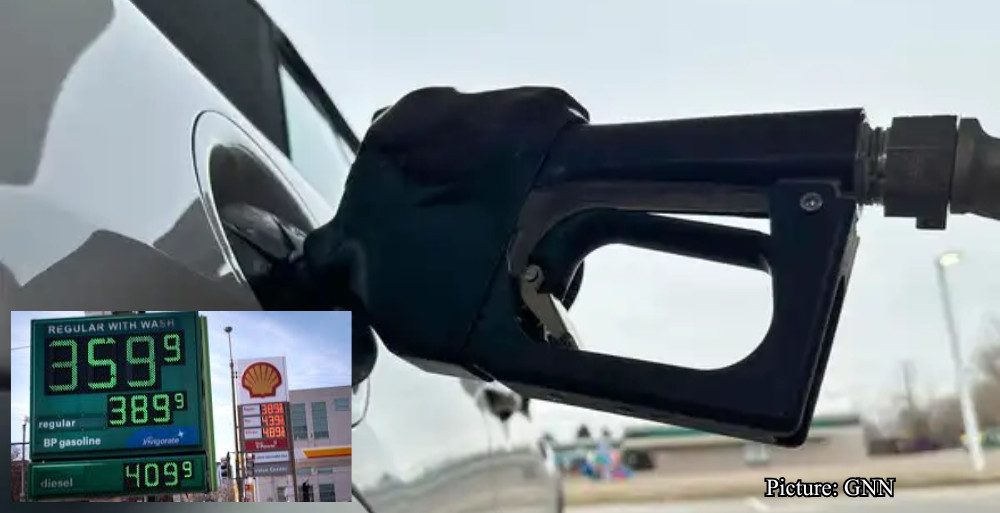
The average price of gasoline in the United States has surged past $3 per gallon, a threshold not breached since November of the previous year. This price hike is primarily attributed to escalating tensions in the Middle East, particularly involving Iran, which have sent ripples through global energy markets, significantly affecting crude oil and fuel prices.
The delicate balance of global energy markets has once again been disrupted by geopolitical tensions, this time emanating from the Middle East, a region perpetually on the brink of conflict. The recent uptick in gasoline prices in the United States, climbing above $3 per gallon, underscores the vulnerability of fuel costs to international events. This increase is primarily linked to the heightened conflict involving Iran, a key player in the global oil supply chain. As tensions rise, so do concerns about potential disruptions in oil production and distribution, which in turn have profound implications for fuel prices worldwide.
Historically, the Middle East has been a fulcrum of energy politics, and Iran, with its substantial oil reserves, plays a pivotal role in this dynamic. The current conflict, which has seen a series of escalations, threatens to disrupt not only the supply of oil but also the stability of global markets. This is not the first time geopolitical tensions have influenced fuel prices, and it certainly won’t be the last. The intricate web of alliances and enmities in the region often leads to market volatility, as traders and analysts scramble to predict the next move in a high-stakes game of geopolitical chess.
To understand the full impact of these developments, one must consider the broader context of U.S.-Iran relations. The two countries have had a fraught relationship for decades, marked by periods of intense hostility and tentative diplomacy. The most recent tensions have been exacerbated by a series of incidents, including attacks on oil tankers and infrastructure, which have heightened fears of a broader conflict. These events have not only drawn the attention of global political leaders but have also had immediate economic repercussions, particularly in the energy sector.
The price of crude oil is a key determinant of gasoline prices, and it is highly sensitive to geopolitical developments. When tensions in oil-producing regions rise, fears of supply disruptions lead to increased oil prices. This, in turn, translates into higher costs for gasoline, as refineries pass on the increased costs of crude oil to consumers. The current situation with Iran is a textbook example of this phenomenon. As the conflict has intensified, oil prices have climbed, leading to the current spike in gasoline prices in the United States.
This increase in fuel prices has significant implications for the U.S. economy. Higher gasoline prices can lead to increased costs for transportation and goods, which can contribute to inflationary pressures. Consumers, already grappling with the economic fallout from the COVID-19 pandemic, may find themselves further squeezed by rising fuel costs. This has the potential to dampen consumer spending, a critical driver of economic growth in the United States.
Moreover, the political implications of rising fuel prices cannot be ignored. Energy costs are a perennial issue in American politics, with voters acutely aware of fluctuations in gasoline prices. As such, any significant increase can become a hot-button issue, influencing public opinion and potentially swaying electoral outcomes. Politicians, mindful of this, often seek ways to mitigate the impact of rising fuel prices, whether through strategic petroleum reserves or diplomatic efforts to stabilize global markets.
In the longer term, the current situation highlights the need for a more diversified energy strategy. The United States, like many other countries, remains heavily reliant on fossil fuels, making it vulnerable to international market fluctuations. This has spurred calls for increased investment in alternative energy sources, such as solar and wind power, which could provide a buffer against future price shocks. However, transitioning to a more sustainable energy model is a complex and long-term endeavor, requiring significant policy shifts and investment.
In conclusion, the recent rise in U.S. gasoline prices above $3 per gallon is a stark reminder of the interconnectedness of global energy markets and the profound impact of geopolitical tensions on everyday life. As the situation with Iran unfolds, it will be crucial for policymakers, industry leaders, and consumers to remain vigilant and adaptable. The lessons learned from this episode could inform future strategies to ensure energy stability and economic resilience in an increasingly volatile world.