







Union Commerce Minister Piyush Goyal announced that India is prepared to finalize aircraft orders with Boeing valued at up to $80 billion, a move that could see total aviation-related imports exceed $100 billion.
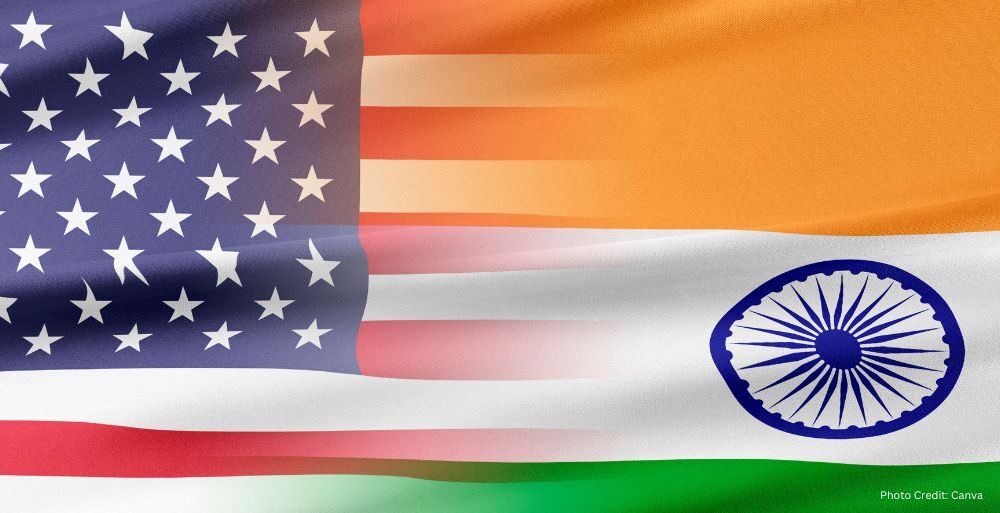
India is positioning itself to become a primary driver of the American aerospace sector following the announcement of a landmark bilateral trade agreement. Commerce and Industry Minister Piyush Goyal confirmed on Thursday, February 5, 2026, that New Delhi is “ready” to place aircraft orders with Boeing worth approximately $80 billion. Goyal further elaborated that when including engines and necessary spare parts, the total value of these imports from the United States is projected to surpass the $100 billion threshold. This announcement underscores India’s rapidly expanding aviation market and its commitment to utilizing large-scale procurement as a cornerstone of its strategic economic partnership with Washington.
The aviation surge is a central component of a broader trade deal recently announced by President Donald Trump. Under the terms of the agreement, the United States will significantly reduce tariffs on Indian goods from 50 percent to a headline rate of 18 percent. In exchange, India has reportedly committed to purchasing up to $500 billion worth of American goods over the next five years. While market analysts have expressed skepticism regarding the feasibility of the $500 billion target, the massive Boeing commitment provides a tangible first step toward that goal. The deal marks a major reset in trade ties, which had been strained by a year-long dispute over reciprocal tariffs and energy sourcing.
The timing of these orders is critical for Boeing, which has faced intense scrutiny in the Indian market following a fatal aviation disaster last year. Families of victims from the Air India Flight AI 171 crash in Ahmedabad, which occurred in June 2025, have filed a product liability and negligence lawsuit against Boeing and parts manufacturer Honeywell in a Delaware court. The legal action alleges that defective fuel cutoff switches on the Boeing 787 Dreamliner contributed to the accident, which claimed 260 lives. Despite this ongoing litigation, the Indian government’s move to proceed with massive new orders suggests a pragmatic separation between legal accountability for past incidents and the future of the nation’s civil aviation infrastructure.
Minister Goyal clarified that while the $80 billion in aircraft orders is ready, there is no explicit investment commitment required from India as part of the trade deal. Instead, the focus remains on direct procurement to meet the soaring demand of India’s domestic travel sector. The deal also involves a significant shift in India’s energy policy, with President Trump claiming that New Delhi has agreed to halt imports of Russian oil in favor of supplies from the U.S. and Venezuela. While the Indian government has been more cautious in its public statements regarding oil sourcing, data indicates that the share of Russian crude in India’s imports has already begun to decline over the past several months.
The implementation of the trade deal will follow a phased timeline. A joint statement is expected to be issued within the next few days, which will trigger an executive order from the White House lowering tariffs on Indian exports to 18 percent. This will be followed by a formal legal agreement in mid-March, at which point India will reciprocate by lowering duties on a range of American imports, including agricultural products and heavy machinery. Indian Commerce Secretary Rajesh Agrawal noted that while U.S. tariff changes can be enacted via executive action, India’s reductions will require the finalization of the legal pact to satisfy Most Favored Nation (MFN) requirements.
The domestic political reaction in India has been mixed. While Prime Minister Narendra Modi hailed the tariff cuts as a victory for “Made in India” products, opposition leader Rahul Gandhi has criticized the administration for a lack of transparency. Gandhi accused the government of “surrendering” on certain tariff lines and questioned the long-term impact of opening sensitive markets like agriculture and dairy to U.S. competition. In response, Minister Goyal assured Parliament that the interests of Indian farmers and dairy producers remain “fully safe” and that the deal was finalized only after nearly a year of rigorous negotiations to protect sensitive sectors.
The scale of the proposed Boeing deal would represent one of the largest single-country procurement pipelines in aviation history. For Boeing, securing these orders is vital for its medium-term delivery targets and supply chain utilization. For India, the acquisition of a modern, fuel-efficient fleet is necessary to support its goal of becoming a global aviation hub. The inclusion of high-value platforms, from commercial jets to jet engines, reflects an deepening economic alignment that transcends simple commodity trading and moves into high-technology industrial cooperation.
Beyond aviation and energy, the trade package is expected to benefit several key Indian sectors, including engineering, auto components, textiles, and pharmaceuticals. Experts suggest that the 18 percent tariff rate will provide Indian exporters with a competitive edge over regional rivals in the U.S. market, where countries like Vietnam, Bangladesh, and Pakistan currently face higher reciprocal duties. Goldman Sachs has projected that the strict application of these reduced tariffs could add up to 20 basis points to India’s GDP growth, highlighting the significant macroeconomic stakes of the agreement.
As the final details of the $100 billion aviation tranche are “papered” by negotiating teams, the broader feasibility of the $500 billion purchase target remains a subject of intense debate among economists. Critics argue that such a massive volume of imports would require a fundamental restructuring of India’s trade balance, which saw total goods imports of approximately $720 billion in the 2025 fiscal year. However, proponents of the deal argue that the rapid growth of the Indian economy, combined with a strategic pivot away from Russian and Chinese supply chains, makes these ambitious targets more achievable than they appear at first glance.
The next few weeks will be pivotal for the future of India-U.S. relations as the joint statement is released and the mid-March signing ceremony approaches. The Boeing orders, if finalized as described by Minister Goyal, will serve as the most visible evidence of a new era of “transactional diplomacy” between Washington and New Delhi. While safety concerns and legal challenges from the 2025 Ahmedabad crash remain a sensitive backdrop, the momentum of the trade deal suggests that both nations are committed to a future defined by massive industrial contracts and a shared vision for the Indo-Pacific economic landscape.