







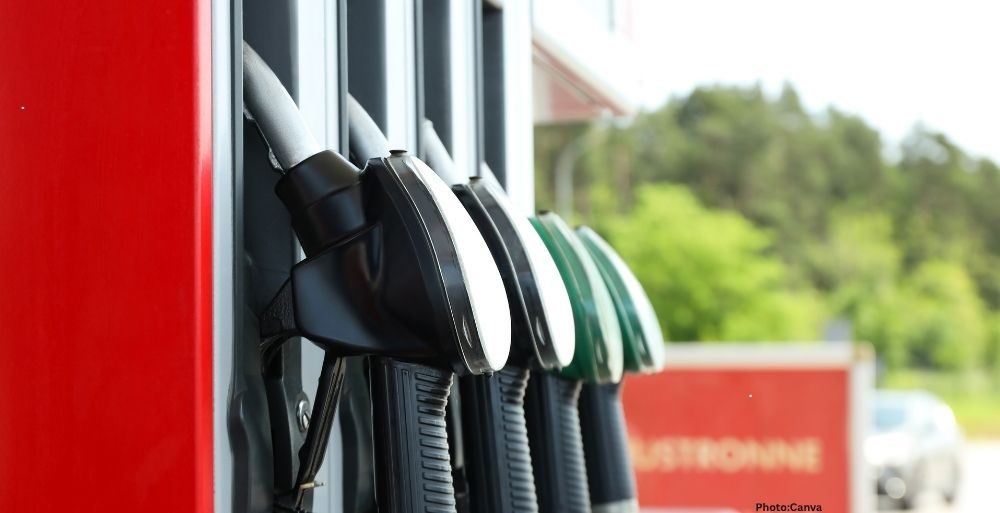
As U.S. gas prices approach $4 per gallon, lawmakers are advocating for a suspension of the federal gas tax to alleviate financial pressure on families and businesses.
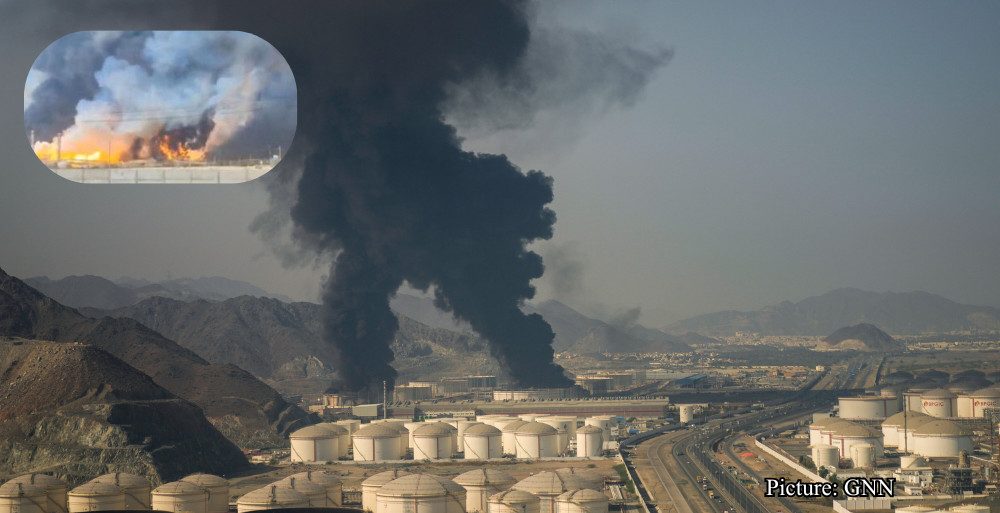
WASHINGTON — In response to escalating gas prices, which have surged toward $4 per gallon nationally amid geopolitical tensions, particularly in Iran, U.S. lawmakers are advocating for a suspension of the federal gasoline tax. This move is seen as a potential measure to provide relief to families and businesses that depend on fuel for daily commuting and operational needs.
During a Cabinet meeting on Thursday, President Donald Trump acknowledged that he has considered the suspension of the gas tax but suggested that states should also evaluate their own fuel taxes. “People have talked about” a gas tax suspension, Trump stated, adding that it remains “in our pocket if we think it’s necessary.”
As prices continue to climb, the Trump administration has already taken steps to address the situation by releasing millions of barrels of oil from the U.S. Strategic Petroleum Reserve and lifting sanctions on certain Russian and Iranian oil shipments that were already at sea. Furthermore, the U.S. is in discussions with nations dependent on Middle Eastern crude to establish a coalition aimed at securing the Strait of Hormuz, through which approximately one-fifth of the world’s traded oil flows.
Understanding the Gas Tax Holiday
A gas tax holiday refers to the temporary suspension of the federal gasoline tax, which is currently set at 18.4 cents per gallon for gasoline and 24.4 cents per gallon for diesel fuel. This tax is significant, generating over $23 billion annually for federal highway and public transit programs.
However, it is crucial to note that the President does not have the unilateral authority to suspend this tax; any such action would require Congressional approval. With Republicans holding the majority in both the House and Senate, the likelihood of advancing legislation on this issue hinges on Trump’s support.
Potential Relief from Rising Prices
The increase in gas prices has placed considerable strain on household budgets, particularly for low- and middle-income Americans who have limited capacity to absorb rising transportation costs. These price hikes can significantly affect consumer behavior, influencing driving frequency, travel decisions, and spending on other essentials.
Senator Richard Blumenthal, a Democrat from Connecticut, criticized the administration’s handling of the situation, stating, “Trump’s war of choice with Iran is driving up gas prices across the country — and Americans shouldn’t have to bear the additional economic burden of Trump’s reckless decision making.” Blumenthal is a co-sponsor of the Gas Prices Relief Act, which aims to suspend the federal gas tax through October 1. A similar proposal has been introduced in the House by Democratic Representative Chris Pappas of New Hampshire.
Concerns Over Funding and Economic Implications
Despite the proposed benefits of a gas tax suspension, industry groups have raised concerns. The gasoline tax is a critical revenue source for federal highway and public transit programs. The American Road & Transportation Builders Association has warned that while proposed bills may seek to offset any lost revenue from the Highway Trust Fund with general fund allocations, such a suspension could ultimately increase the federal deficit and threaten the long-term viability of transportation investments.
The association also cited studies indicating that many retailers do not fully pass on gas tax reductions to consumers. They argue that state and federal gas taxes are just one factor in a complex pricing structure influenced by global oil prices and other economic elements.
State-Level Initiatives for Gas Tax Relief
Some states have already begun implementing measures to alleviate gas prices. For instance, Georgia’s Republican Governor Brian Kemp recently enacted a 60-day suspension of the state’s 33-cent-per-gallon gas tax and 37-cent-per-gallon diesel tax. This initiative received bipartisan support, with Kemp asserting the need to “return taxpayer money where it belongs, in the pockets of hardworking Georgians.”
Early indicators suggest positive outcomes for Georgia drivers; while national gas prices rose by an average of 10 cents per gallon in the week ending Thursday, prices in Georgia fell by 15 cents. As of Friday, Georgia reported the 13th-lowest average gas price in the country at $3.60 per gallon, with Kansas having the lowest at $3.27.
Other states, including California, Connecticut, Florida, Maryland, and Utah, are also considering gas tax holidays to offer relief to consumers. Connecticut’s Democratic Governor Ned Lamont has proposed a temporary suspension of the state’s 25-cent-per-gallon gasoline tax, though implementation details remain uncertain. State officials are exploring additional measures, such as rebate checks for taxpayers, to help mitigate the impact of high energy costs.
In Florida, Republican Governor Ron DeSantis expressed skepticism about the effectiveness of past gas tax holidays, stating, “Our ability to influence fuel prices is really marginal. Sometimes the prices get raised so the consumer doesn’t see any difference.”
Tips for Drivers to Manage Fuel Costs
In light of rising fuel prices, experts recommend that drivers adopt more economical driving habits. According to Consumer Reports, maintaining a steady speed and adhering to speed limits can significantly enhance fuel efficiency. For instance, driving at a consistent 55 mph can yield an increase of 6 to 8 miles per gallon compared to higher speeds. The publication also advises against hard acceleration and braking, and suggests avoiding premium gasoline when not necessary.