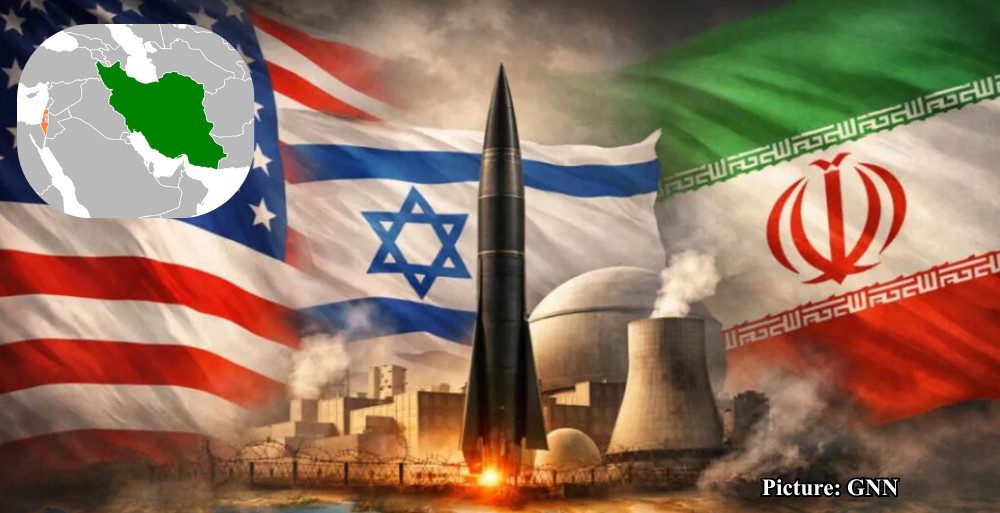









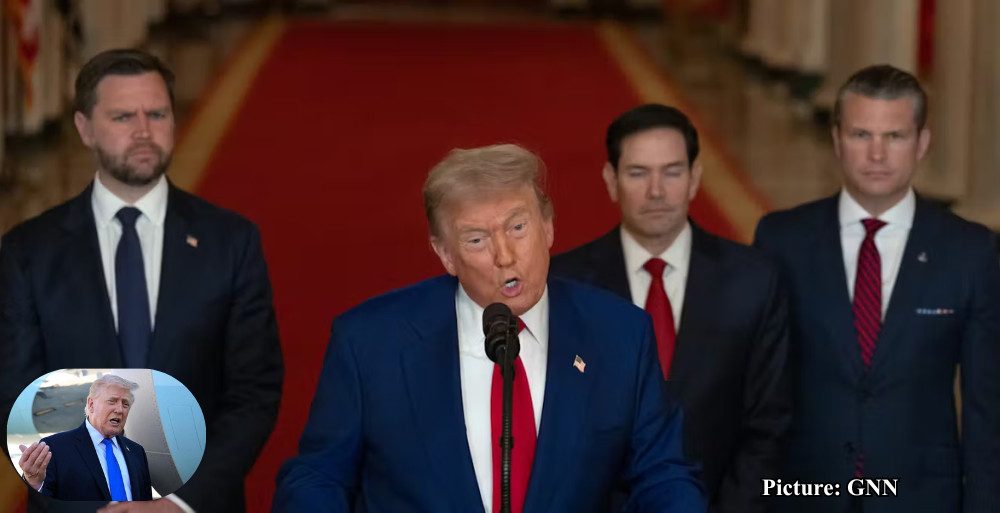
The military engagement initiated by President Trump against Iran raises critical concerns regarding the administration’s strategic decision-making and its broader implications for U.S. foreign policy and international relations.
As tensions between the United States and Iran continue to escalate, the military actions undertaken by President Donald Trump have drawn significant scrutiny. Observers are increasingly questioning the rationale behind the administration’s decisions and the potential long-term consequences for both U.S. diplomatic standing and economic stability. The situation underscores a broader narrative of uncertainty and volatility in U.S. foreign policy, particularly in the Middle East.
Context of U.S.-Iran Relations
The U.S.-Iran relationship has been fraught with tension since the 1979 Iranian Revolution, which resulted in the overthrow of the U.S.-backed Shah and the establishment of an Islamic Republic. Over the subsequent decades, U.S. policy has been characterized by efforts to isolate Iran diplomatically and economically, particularly in response to its nuclear program and regional influence. In recent years, the Trump administration’s approach has marked a significant departure from previous strategies, favoring a more aggressive stance.
In early 2023, President Trump authorized military action against Iran, a decision that has been met with criticism for its lack of clear justification. Analysts noted that the administration has struggled to provide a consistent rationale for its military engagement, leaving many to question both the immediate strategic goals and the long-term vision for U.S. policy in the region.
March 18 Incident: A Turning Point
A pivotal moment in the conflict occurred on March 18, 2023, when Iranian forces reportedly launched a strike that caused substantial damage to Qatar’s liquefied natural gas (LNG) production capacity, affecting 17 percent of its output. This military action was a direct response to an Israeli attack on Iran’s South Pars oil field, highlighting the interconnectedness of regional conflicts and the U.S.’s vulnerability in safeguarding its allies. Following this incident, President Trump’s response was perceived as a retreat, as he effectively apologized for the situation, which many analysts interpreted as a significant loss of initiative for the U.S. in the ongoing conflict.
Iran’s Strengthened Position
Despite suffering extensive damage from U.S. and Israeli airstrikes, Iran’s military and diplomatic stature appears to have improved as a result of the conflict. The Iranian government has maintained control over the strategically vital Strait of Hormuz, a critical maritime passage for global oil shipments. Experts caution that this control allows Iran to threaten maritime security and disrupt oil flows, with significant implications for the global economy.
Furthermore, Iran has begun to charge tolls on ships navigating through the Strait, currently imposing fees of approximately $2 million per vessel. Analysts speculate that Iran could increase these charges over time, potentially restoring its pre-war oil revenue by implementing a fee structure based on the volume of oil transported. This shift not only boosts Iran’s financial resources but also illustrates how U.S. military actions have inadvertently empowered its adversaries.
Shifts in Diplomatic Dynamics
The current military conflict has also led to an unexpected shift in Iran’s diplomatic relationships on the global stage. Historically, the U.S. has aimed to diplomatically isolate Iran, a strategy that now seems to be faltering. By permitting “non-hostile” nations to pass through the Strait, Iran is effectively undermining U.S. sanctions and cultivating relationships with countries that have historically aligned with U.S. interests, such as those in Europe, Russia, and possibly China.
This change in diplomatic dynamics poses significant challenges for U.S. foreign policy, as Iran’s expanding network of allies may complicate future negotiations. The Trump administration’s current approach appears increasingly reactive, with the President expressing a desire for negotiations, yet lacking a clear and coherent strategy for engagement.
Challenges in Negotiation
Despite President Trump’s assertions of having control over negotiation processes with Iran, reports indicate that no direct discussions are currently taking place. Trump’s claims of selecting Iran’s leaders or dictating terms for negotiations seem disconnected from the realities of Iranian political dynamics. Any U.S. attempts to negotiate without legitimate representatives from Iran would likely face substantial resistance and could result in severe repercussions for those involved.
The stark difference between the current administration’s approach and past U.S. foreign policy, which relied heavily on expert advice and thorough consultation, has raised alarms among both domestic and international observers. Former officials have expressed concerns that the impulsive decision-making style characterized by the Trump administration may undermine long-standing diplomatic efforts.
Economic Implications
The military engagement has also raised concerns about the state of the U.S. and global economies. With the U.S. economy already facing challenges, the conflict threatens to exacerbate existing vulnerabilities. Analysts warn that ongoing instability in the Middle East could lead to higher oil prices, further straining economic recovery efforts domestically and internationally.
As the situation continues to evolve, many experts argue that it is essential for U.S. policymakers to reassess their strategies and ensure that U.S. actions align with broader diplomatic and economic goals. In an increasingly complex geopolitical landscape, effective leadership and informed decision-making are crucial for navigating the challenges posed by Iran and other global actors.
Conclusion
The ongoing military engagement with Iran underscores critical questions about the Trump administration’s strategic decision-making and its implications for U.S. foreign policy and global economic stability. As the conflict unfolds, it is imperative for policymakers to adopt a more strategic approach that prioritizes diplomacy and constructive engagement, rather than impulsive military actions that may inadvertently empower adversaries and destabilize the region.