








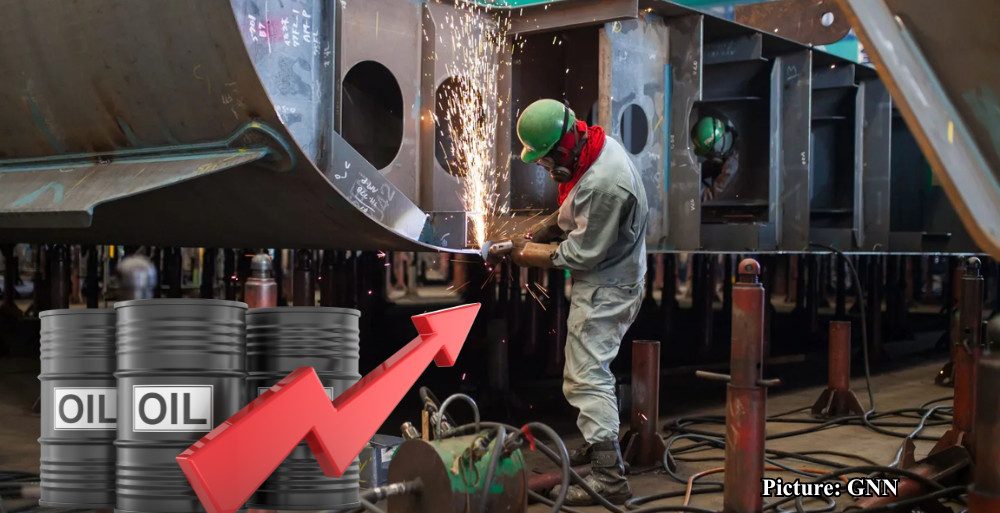
The U.S. shipbuilding industry is confronting a significant workforce shortage, with projections indicating a need for up to 250,000 workers over the next decade. This shortage presents a unique opportunity for younger generations seeking stable, AI-resistant jobs.
The U.S. shipbuilding industry is currently experiencing a critical workforce shortage, with estimates suggesting a gap of 200,000 to 250,000 workers needed over the next decade to fulfill various roles, including welding, soldering, and frontline management. This analysis is based on a recent study conducted by McKinsey utilizing data from the U.S. Department of Labor. The shortage is particularly pressing as the workforce ages, with 27% of shipbuilders currently at least 55 years old.
The decline of shipbuilding in the U.S. is a trend that has developed over several decades. In the 1970s, the U.S. contributed approximately 5% of the world’s ocean-going commercial vessels, but today that figure has dramatically decreased to merely 0.2%. The shift away from shipbuilding jobs has been attributed to a generational change in career preferences, as many millennials opted for white-collar positions often perceived as less physically demanding and more stable. This shift has left the industry vulnerable as baby boomers retire without a sufficient number of younger workers to replace them.
Opportunity for Generation Z
Despite the challenges, this situation may present an unexpected opportunity for Generation Z, particularly as traditional entry-level corporate positions become increasingly competitive amid economic uncertainty and advancements in artificial intelligence. Fraser Patterson, CEO of Skillit, an AI-powered hiring platform for construction workers, remarked, “This is absolutely a rare window for young workers because the demand is real, funded, and seemingly long-term. These are not speculative jobs. They are tied to multi-decade investment cycles, and they offer a path to strong earnings, skill development, and stability without requiring a traditional four-year degree.”
Workers in the shipbuilding sector are witnessing a surge in demand for their skills, with significant wage increases being implemented. In April 2026, for instance, unionized workers at Huntington Ingalls Industries’ shipyards in Pascagoula, Mississippi, secured a groundbreaking contract that includes an immediate 18% increase in base wages, with projections for total pay to rise between 35% and 47% over the next five years. This contract marks the largest pay increase in the history of Ingalls Shipbuilding, the largest military shipbuilder in the U.S. and a major employer in Mississippi.
Wages and Employment Conditions
U.S. Navy Secretary John Phelan highlighted the importance of competitive wages in attracting workers to the shipbuilding industry. During his confirmation hearing, he explained that many potential employees are drawn to alternative job opportunities that offer similar or higher wages, such as positions at Amazon or Buc-ee’s mega gas stations. “I think this is really an issue of wages, to be honest, when I look at it across states,” he stated. As the Navy focuses on revitalizing its shipbuilding capacities, improving workers’ compensation has emerged as a top priority.
The shipbuilding industry also encompasses a wide range of skilled trades beyond welding and soldering. It requires electricians, pipefitters, and machinists—professions that not only offer competitive salaries but also exhibit resilience against automation compared to many white-collar jobs. According to the U.S. Bureau of Labor Statistics, the average annual wage for ship and boat building workers is approximately $67,000, while ship engineers can earn six-figure salaries.
Expanding Apprenticeship Programs
To attract a new generation of workers, shipbuilding companies are increasingly investing in apprenticeship programs and training initiatives designed to lower barriers to entry. These programs allow individuals to earn while they learn, often without incurring student debt. The industry is thus positioning itself to appeal to those disenchanted with the rising costs of traditional education.
Apprentices interviewed at a Philadelphia shipyard expressed satisfaction with their roles, stating that the jobs not only provide better pay than their previous positions—such as grocery picking at Amazon and cake decorating—but also offer better long-term career prospects. One apprentice remarked, “I would tell my friend that instead of paying out of pocket to go to a trade school, you’re getting paid while you learn here the entire time.”
As the U.S. seeks to reclaim its maritime manufacturing capabilities and reduce dependency on foreign shipyards, the focus is increasingly on building a robust domestic workforce. The responses from industry leaders suggest a commitment to revitalizing the shipbuilding sector, a critical component of national security and economic stability.