



Secretary of State Marco Rubio’s visit to Europe for G7 talks comes as tensions escalate over the ongoing conflict involving Iran, raising concerns among allied nations regarding energy security and military commitments.
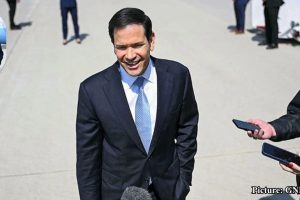
Secretary of State Marco Rubio arrived in Cernay-la-Ville, France, on Friday for discussions with foreign ministers from the Group of Seven (G7) nations. This meeting occurs amid heightened tensions related to the ongoing conflict involving Iran, which has raised significant concerns among U.S. allies in Europe and beyond. The G7 meeting commenced officially on Thursday and is centered on addressing the multifaceted implications of the conflict.
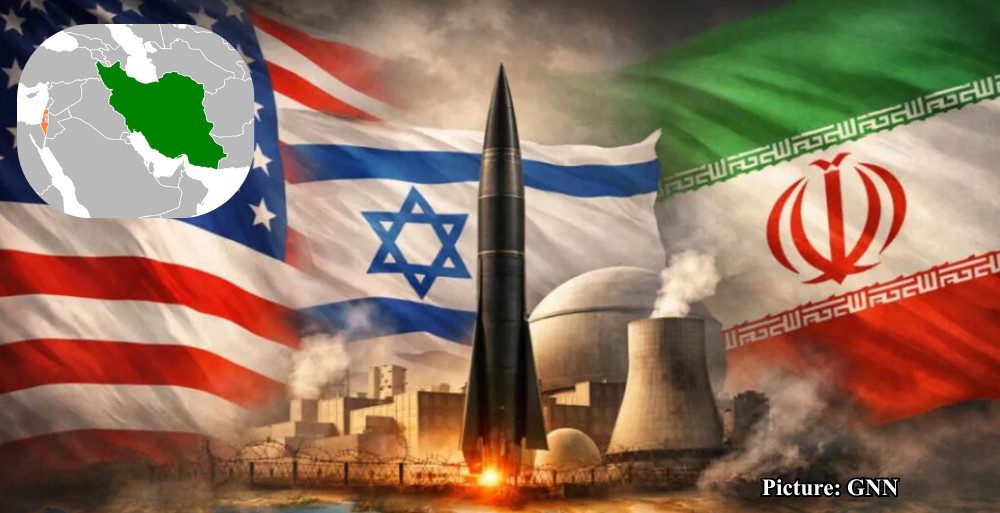
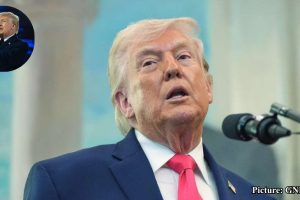
The backdrop of this diplomatic engagement is the ongoing military actions initiated by the U.S. and Israel against Iran, which began at the end of February. As President Donald Trump has publicly declared progress in negotiations aimed at de-escalating the situation, he has simultaneously ordered the deployment of additional troops to the region, hinting at the possibility of a ground invasion. This dual approach has created a complex dynamic for U.S. allies, who are keenly aware of the destabilizing effects of the conflict.
Rubio’s Position and G7 Dynamics
In comments made prior to his departure, Rubio expressed confidence in his role at the G7, stating, “I think they should be happy that I’m going,” while also emphasizing that his purpose is not to secure their approval. His remarks highlight the delicate balance that U.S. officials must strike in engaging with foreign partners who are wary of the conflict’s repercussions.
Rubio called on other nations to increase their efforts to secure the Strait of Hormuz, a crucial shipping route that has seen disruptions since the onset of hostilities. He criticized Iran for its actions, describing them as a violation of international law and an affront to global commerce. “It can be open tomorrow if Iran stops threatening global shipping,” Rubio stated, urging European nations that rely heavily on oil imports to take a more proactive stance.
European Concerns and Responses
The G7 nations, which include Canada, France, Germany, Italy, Japan, and the United Kingdom, find themselves in a precarious situation. While they recognize the dangers posed by the Iranian regime, which has been implicated in funding terrorism and obstructing nuclear inspections, they are also deeply concerned about the implications of military action. European leaders have long expressed their desire to avoid escalation, given the risks posed to their own territories, notably with Iranian ballistic missiles potentially targeting southern Europe.
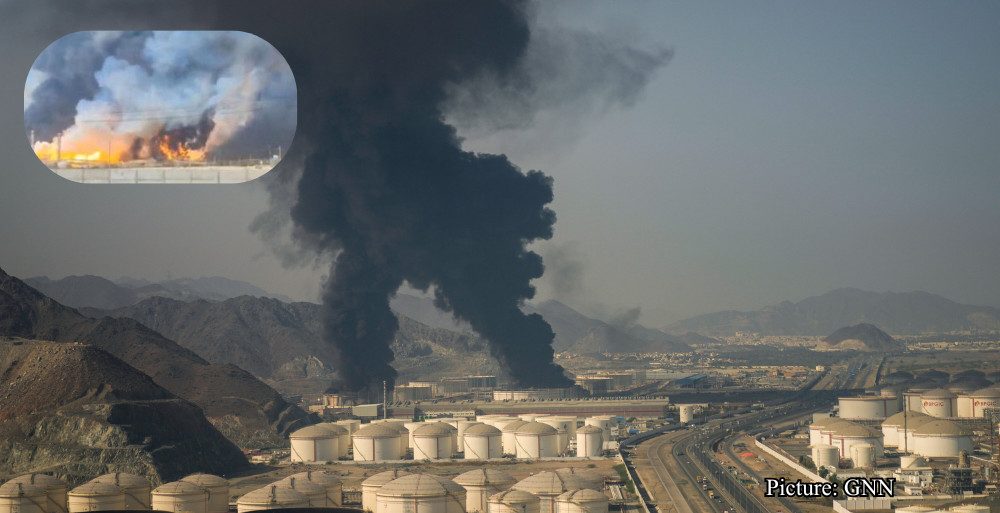
Recent developments have exacerbated these concerns, as European countries confront the economic fallout from the conflict, including soaring energy prices and disruptions in trade routes. The G7’s joint statement last week condemned Iran’s actions but was also an attempt to align U.S. and European positions after initial hesitations from European nations regarding military involvement in securing the Strait of Hormuz.
Trump’s public rebuke of European leaders, particularly after comments made by Germany’s Defense Minister Boris Pistorius stating, “it’s not our war,” reflects the ongoing tensions over military commitments. Trump characterized Pistorius’s statement as “inappropriate,” drawing a parallel to the U.S. involvement in Ukraine.
Strategic Dialogue and Future Outlook
As the G7 ministers convene, discussions will extend beyond the Iranian conflict to encompass a range of global issues, including support for Ukraine, stability in the Indo-Pacific region, and humanitarian crises in places like Sudan and Haiti. The summit’s agenda will focus on potential negotiations aimed at de-escalating tensions with Iran, reopening shipping channels in the Strait of Hormuz, and addressing concerns regarding Iran’s nuclear and ballistic missile programs.
Furthermore, Trump’s special envoy for peace missions, Steve Witkoff, has indicated that a 15-point action list has been communicated to Iran through intermediaries, aimed at laying the groundwork for a peace agreement. However, details regarding the specific terms of this proposal remain undisclosed. Witkoff expressed optimism about the potential for a diplomatic resolution, suggesting that Iran might recognize the detrimental consequences of continued conflict.
European partners have expressed a strong preference for a diplomatic resolution and are cautious about being drawn into military commitments. Ian Lesser, a distinguished fellow at the German Marshall Fund, noted that while there is a willingness to discuss coordinated responses to energy security, the prospect of near-term military involvement is met with skepticism among European nations.
As the G7 foreign ministers navigate these discussions, the outcome will significantly influence both regional stability and the transatlantic alliance’s approach to future conflicts, particularly in light of the intricate geopolitical landscape shaped by the ongoing crisis.