






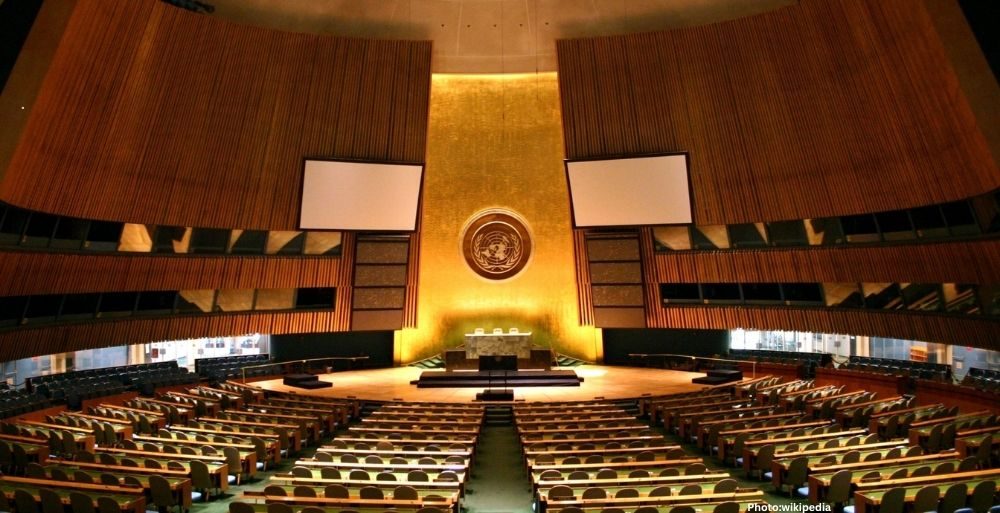
The United Nations General Assembly has passed a resolution declaring the enslavement of Africans during the transatlantic slave trade as ‘the gravest crime against humanity,’ a decision aimed at fostering healing and justice for affected communities.
On November 22, 2023, the United Nations General Assembly voted to officially recognize the enslavement of Africans during the transatlantic slave trade as ‘the gravest crime against humanity.’ This resolution, proposed by Ghana, marks a significant milestone in the global recognition of historical injustices associated with slavery and reflects an ongoing commitment to addressing these wrongs.
Details of the Resolution
The resolution garnered substantial support, passing with 123 votes in favor, while three countries—namely the United States, Israel, and Argentina—voted against it. Additionally, 52 countries, including the United Kingdom and various European Union member states, abstained from the vote. The diversity of responses highlights the complex political and historical contexts that nations navigate when addressing issues of slavery and reparations.
Although the resolution encourages UN member states to consider issuing formal apologies for the slave trade and to contribute to a reparations fund, it does not specify a monetary amount. This omission has been a contentious point, particularly for nations like the United Kingdom, which has historically resisted calls for reparations. The UK government argues that contemporary institutions should not be held accountable for the actions of their predecessors, a stance that has sparked considerable debate within the international community.
Historical Context and Implications
The transatlantic slave trade, which took place from the 16th to the 19th centuries, forcibly transported an estimated 12 million Africans to the Americas, subjecting them to brutal conditions and treating them as property. This dark chapter of history has left deep-rooted societal scars, contributing to systemic racial discrimination and inequities that persist to this day. The historical ramifications of slavery continue to shape discussions around race, identity, and justice in many nations.
In his address to the General Assembly prior to the vote, Ghana’s President John Mahama emphasized the importance of the resolution, stating, ‘Let it be recorded that when history beckoned, we did what was right for the memory of the millions who suffered the indignity of the slave trade and those who continue to suffer racial discrimination.’ He framed the adoption of this resolution as a safeguard against forgetting the past and a challenge to the enduring consequences of slavery.
Reactions to the Resolution
The passage of the resolution has elicited mixed reactions across the globe. Supporters, including several African nations and advocates for racial justice, view the vote as a long-overdue acknowledgment of historical wrongs. They argue that recognizing the enslavement of Africans as a crime against humanity is essential for promoting racial equity and initiating meaningful discussions on reparative justice.
Conversely, critics, particularly from nations that abstained or voted against the resolution, express concerns regarding the potential financial implications of reparations and the complexities involved in addressing historical grievances. The UK government reiterated its stance against reparations, emphasizing that contemporary society should not bear the financial burden for past injustices. These differing perspectives underscore the challenges of reconciling historical accountability with modern-day political and economic realities.
The Role of the United Nations
While resolutions passed by the General Assembly are not legally binding, they carry significant weight in shaping global opinion and can influence national policies. This recent vote reflects a growing awareness within international forums of the necessity to confront historical injustices and their ongoing effects. The recognition of the transatlantic slave trade as a crime against humanity aligns with broader global movements advocating for social justice and equity.
The UN’s action invites member states to engage in meaningful dialogue regarding their historical actions and to consider the enduring impacts these have on current generations. The resolution may serve as a catalyst for further discussions on racial justice, collective memory, and the responsibilities of nations in acknowledging and addressing their pasts.
Future Implications and Next Steps
As the conversation surrounding this resolution unfolds, it remains to be seen how member states will respond to the call for reparations and what concrete steps will follow from this historic vote. Advocates for racial justice are likely to continue pushing for tangible actions that honor the memory of those who suffered and address the persistent inequalities that arise from this dark chapter in history.
In the coming months, discussions around reparations, apologies, and other forms of restorative justice may gain momentum, especially as countries reflect on their roles in historical injustices. The implications of this resolution extend beyond merely recognizing past wrongs; they challenge nations to consider their present responsibilities and the legacy they wish to leave for future generations.
This acknowledgment by the United Nations is a crucial step toward fostering a more inclusive and equitable global dialogue on race, history, and justice, and it may ultimately pave the way for deeper understanding and healing in societies grappling with the legacies of slavery and colonialism.