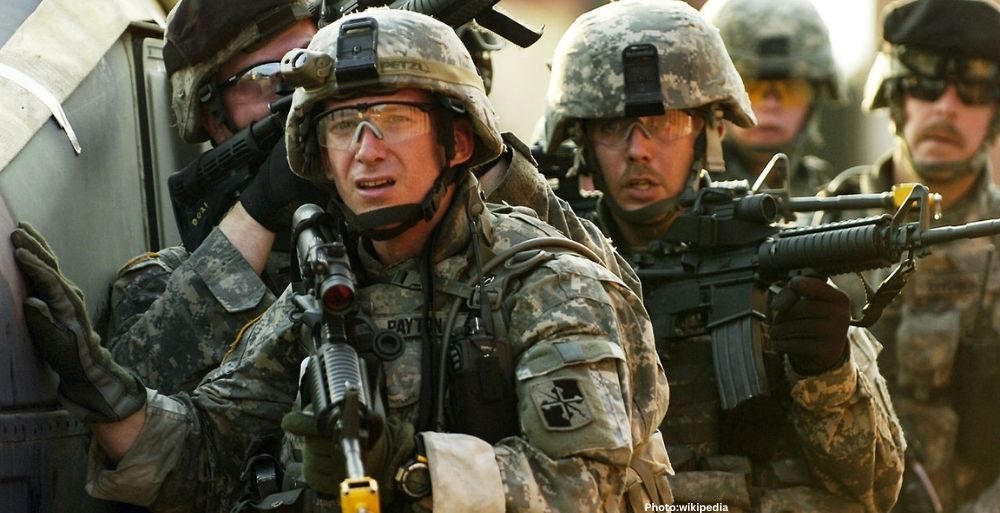








The ongoing conflict with Iran has entered its fourth week, and President Donald Trump has attributed the initial call for military action to Defense Secretary Pete Hegseth during a recent roundtable in Tennessee.
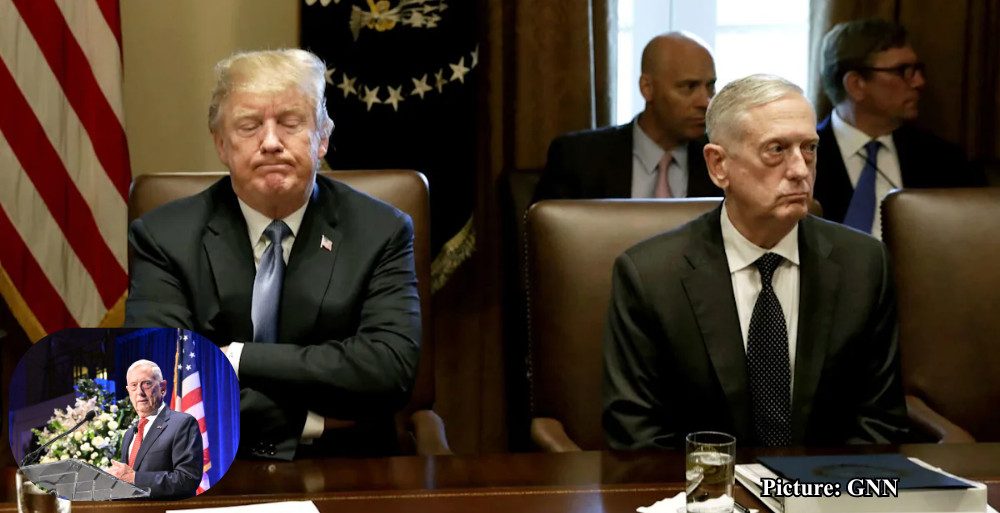
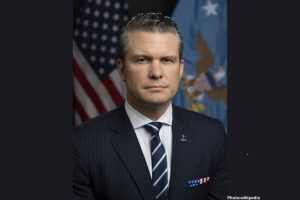
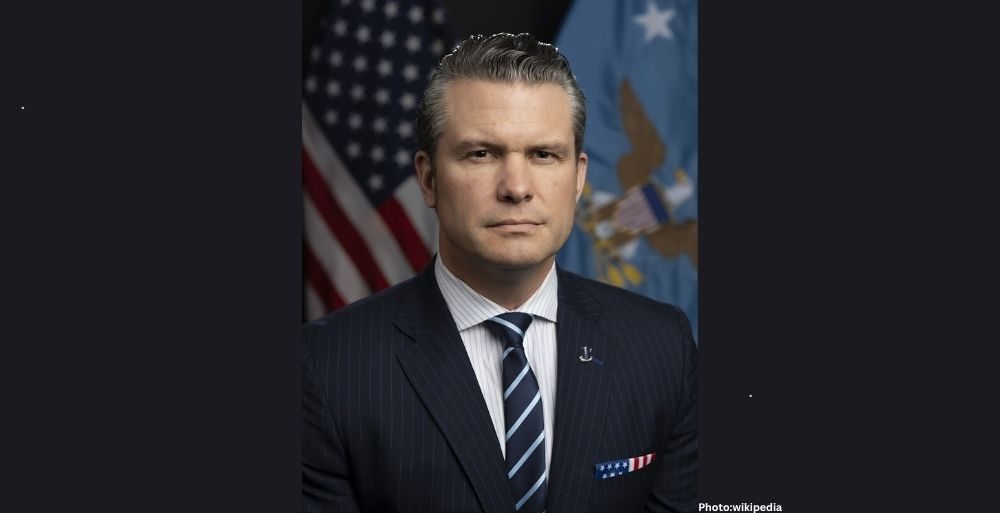
As the United States’ military engagement with Iran stretches into its fourth week, President Donald Trump has shifted the narrative regarding the origins of the conflict, suggesting that Defense Secretary Pete Hegseth was primarily responsible for advocating military action. During a roundtable discussion in Tennessee on March 24, 2026, Trump remarked, “Pete, I think you were the first one to speak up, and you said, ‘Let’s do it because you can’t let them have a nuclear weapon.'” Hegseth was present during this statement, which indicates a notable change in the administration’s messaging surrounding the war’s initiation.
A Shifting Narrative on the War’s Origins
The question of why the U.S. entered into military action against Iran has yielded a variety of answers, even from within Trump’s own administration. Some officials have claimed that Israel was poised to strike Iran regardless of U.S. involvement, making American engagement seem inevitable. Others have suggested that Iran was on the brink of developing a nuclear weapon, necessitating a preemptive strike. President Trump has added his own interpretation of the decision-making process, stating, “I called Pete. I called General Kane. I called a lot of our great people. We got a problem in the Middle East or we can take a stop and make a little journey into the Middle East and eliminate a big problem.” While the informal tone of Trump’s remarks may seem casual, the implications of the decision to engage militarily are far from trivial.
Conflicting Accounts of Military Action
In the wake of the escalating conflict, the administration’s portrayal of subsequent actions remains inconsistent. Just hours before singling out Hegseth, Trump asserted that Iran’s retaliatory strikes across the Gulf came as a surprise, stating, “Look at the way they attacked, unexpectedly, all of those countries. Nobody was even thinking about it.” However, this assertion conflicts with a report from Reuters indicating that internal warnings about potential Iranian retaliation were communicated to the administration but not acted upon. This discrepancy raises questions about the administration’s preparedness and decision-making processes leading up to the military actions.
Hegseth’s Prominence in the War Effort
Throughout the conflict, Hegseth has emerged as a prominent figure within the administration, articulating strategic goals that include dismantling Iran’s missile capabilities, drone production, and naval power. He has taken the opportunity to challenge media narratives surrounding the war, advocating for more favorable coverage of a campaign that has already resulted in the deaths of 13 American service members and has escalated into a regional crisis. When asked about the potential duration of military operations, Hegseth stated, “We wouldn’t want to set a definitive timeframe,” while asserting that the military effort is “very much on track.” This vagueness leaves many questions unanswered regarding the administration’s long-term strategy.
Divisions Within the Administration
Trump acknowledged that Vice President JD Vance has been less enthusiastic about the military engagement, although Vance has refrained from voicing any public dissent. Reports suggest a more divided sentiment within the administration regarding the decision to engage militarily. Some key figures, such as Israeli Prime Minister Benjamin Netanyahu and media mogul Rupert Murdoch, have reportedly encouraged military action, while others within the administration have expressed caution. These internal divisions have already had tangible consequences; Joe Kent, the former head of the National Counterterrorism Center, resigned last week, becoming the first senior official to step down in protest of the conflict.
Negotiations Amid Ongoing Conflict
Despite the ongoing military operations, Trump has hinted at the possibility of negotiations with Iran aimed at de-escalating hostilities and reopening the vital Strait of Hormuz. He stated, “We’d like to make a deal. If it goes well, we’re going to end up with settling this. Otherwise we’ll just keep bombing our little hearts out.” Trump claimed that discussions were taking place involving a “top person” in Iran and his son-in-law, Jared Kushner, as well as envoy Steve Witkoff. However, Iranian officials have denied the existence of any such negotiations, casting further doubt on the administration’s claims.
Uncertainty and Extended Deadlines
Initially, Trump set a deadline for Iran to comply with U.S. demands or face further military action, which was scheduled for March 24. This deadline has since been extended by five days, reflecting the ongoing uncertainty surrounding the conflict. As the narrative evolves, marked by shifting explanations and the delegation of responsibility, fundamental questions persist about the war’s origins, its future trajectory, and the individuals ultimately accountable for its initiation.