








The U.S. Army has raised the maximum enlistment age to 42 years and modified its stance on marijuana-related offenses, part of an overarching strategy to enhance recruitment amidst declining numbers.
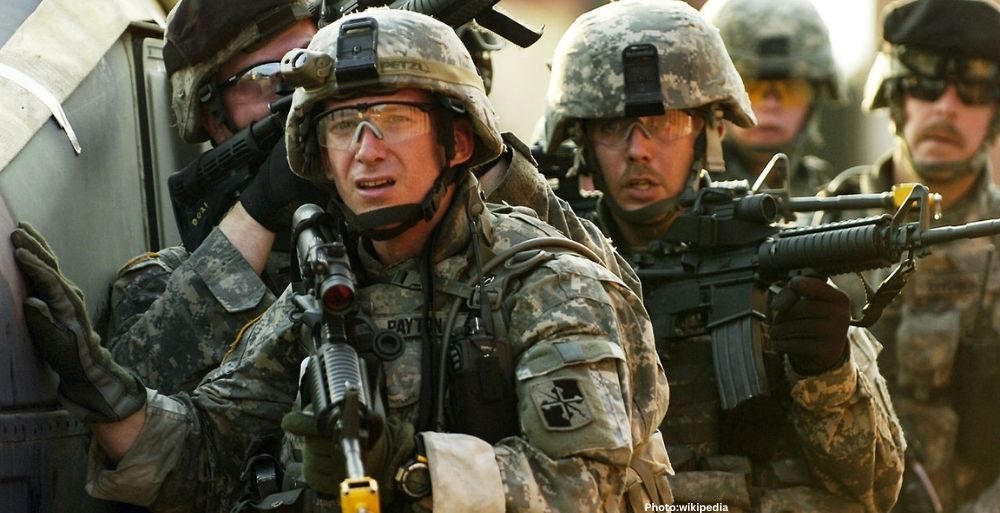
The U.S. Army announced significant changes to its recruitment policies this week, increasing the maximum enlistment age from 35 to 42 years old and relaxing restrictions on recruits with a single legal conviction for marijuana or drug paraphernalia possession. These adjustments come in response to ongoing challenges in meeting recruitment targets and reflect broader shifts in societal attitudes towards marijuana use.
Changes in Age and Legal Restrictions
The Army’s previous enlistment cap of 35 years had occasionally seen exceptions, but the new limit aligns the Army with the Navy and the Air Force, both of which permit enlistment up to age 41 and 42, respectively. Kate Kuzminski, a military recruitment expert at the Center for a New American Security, explained that this policy change acknowledges a trend where the average age of recruits is rising. In 2024, Army officials reported that the average recruit was 22 years and 4 months, a figure that has been increasing over recent years.
Kuzminski’s analysis, drawn from her report for the RAND Corporation, indicates that older recruits tend to have higher scores on enlistment qualification tests compared to their younger counterparts. They are also more likely to reenlist and achieve promotions. However, she noted that older recruits face higher attrition rates and lower graduation levels from basic training, presenting a complex picture regarding the potential impact of this policy shift.
Response to Recruitment Challenges
The increase in the enlistment age is part of the Army’s broader initiative to revamp its recruitment strategies, which have faced significant difficulties in recent years. The Army, the largest branch of the U.S. military, has consistently failed to meet its annual recruitment goals, falling short in both 2022 and 2023. The military’s recruiting operations are undergoing a multi-billion-dollar overhaul, which includes implementing pre-boot camp preparation courses for recruits who do not initially meet fitness and academic standards, as well as redesigning marketing strategies to appeal to younger generations.
In 2024, former Army Secretary Christine Wormuth set a goal for one-third of the Army’s personnel to possess college degrees, indicating a shift towards a more educated and skilled workforce. Additionally, the Army has expanded its direct commissioning program, particularly targeting professionals from the tech sector with expertise in fields like artificial intelligence and space, reflecting a need for advanced technical capabilities among its ranks.
Marijuana Policy Adjustments
In conjunction with the change in enlistment age, the Army has revised its waiver process regarding drug offenses. Under the new regulations, recruits with a single conviction for possession of marijuana or drug paraphernalia no longer require a waiver, a move that is seen as a response to changing social norms. Previously, individuals with such convictions needed a waiver from Pentagon officials and had to wait 24 months before enlisting, contingent on passing a drug test at Military Entrance Processing Stations.
Kuzminski noted that this modification reflects societal changes regarding marijuana use, particularly as it becomes legal for recreational use in nearly half the states and for medical use in many others. The updated policy allows for “one mistake,” aimed at accommodating a broader pool of potential recruits who might have previously faced barriers due to minor drug offenses. However, candidates with a history of multiple drug-related convictions will still require a waiver.
Broader Military Drug Policies
While the Army is easing restrictions for potential recruits, it is simultaneously tightening drug policies for current service members. Recent years have seen the military add psychedelic substances and products containing kratom to its list of banned substances. In a recent announcement, the Army stated that all soldiers testing positive for drugs will be flagged, not just those with security clearances, highlighting a dual approach to drug policy within the military.
Col. Angela Chipman, Chief of Military Personnel Accessions & Retention Division, acknowledged the complexity of balancing recruitment with existing drug policies. “As states continue to legalize marijuana, we must consider how our policies align with these changes,” she said. “At what point are we hindering ourselves by holding people to convictions that in some states are considered acceptable?”
Waiver Review Process Enhancements
The new regulation also streamlines the waiver review process for recruits with mental health or misconduct histories. Previously, waivers for significant misconduct offenses had to be approved at the level of the Army Secretary. Now, the responsibility lies with two- and three-star commanders overseeing street-level recruiters, a change designed to alleviate administrative burdens and expedite the recruitment process. Chipman noted that waivers were being approved at a rate of 95%, indicating that the previous higher approval authority was unnecessary.
“The standards regarding felonious behavior have not changed,” Chipman emphasized, clarifying that while the process for certain waivers has been simplified, the Army remains committed to maintaining its integrity and standards for enlistment.