









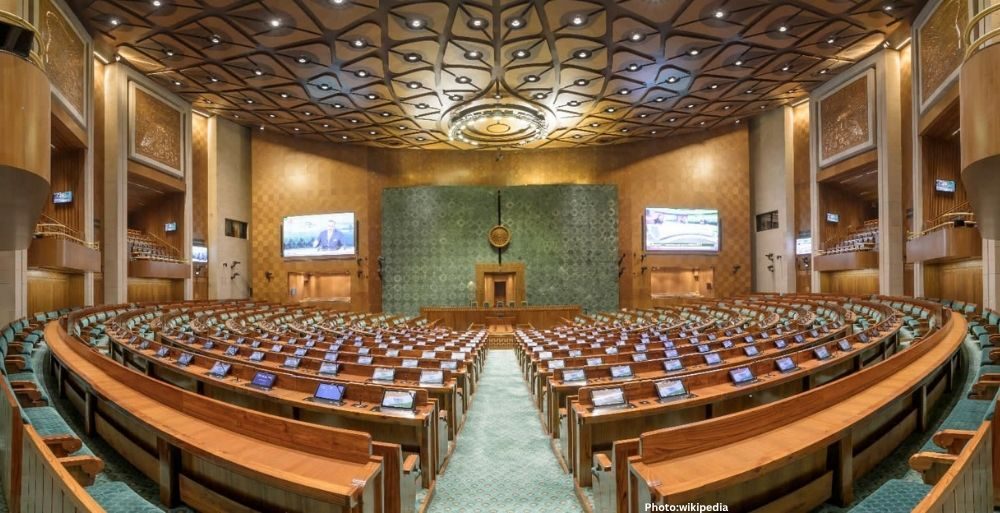
The Indian government has introduced the Foreign Contribution (Regulation) Amendment Bill, 2026 in the Lok Sabha, aimed at enhancing oversight of foreign funds to NGOs, amid sharp criticism from opposition leaders regarding potential overreach.
New Delhi, March 25, 2026: The Indian government introduced the Foreign Contribution (Regulation) Amendment Bill, 2026 in the Lok Sabha on Wednesday. This legislative measure seeks to tighten oversight of foreign contributions received by non-governmental organizations (NGOs) and associations, particularly regarding the management of assets when their Foreign Contribution Regulation Act (FCRA) registrations lapse, are canceled, or surrendered.
The Bill, presented by Union Minister of State for Home Nityanand Rai, aims to address operational and legal gaps identified in the existing Foreign Contribution (Regulation) Act, 2010, which was itself amended in 2020. This proposal comes at a time when approximately 16,000 entities registered under FCRA receive around ₹22,000 crore in foreign contributions annually.
Key Provisions of the Bill
The Foreign Contribution (Regulation) Amendment Bill introduces several key provisions intended to enhance the regulation of foreign contributions:
- Asset Management Mechanism: A new section, reportedly designated as Section 14B, will establish an authority responsible for taking over and overseeing foreign contributions and assets of organizations when their registration ceases. Under this provision, foreign-funded assets cannot be sold or disposed of without prior government approval.
- Timelines for Funds: The Bill empowers the central government to set fixed validity periods for receiving foreign contributions under the “prior permission” route and to establish clear timelines for their utilization, thereby removing existing ambiguities.
- Reduced Penalties: It proposes to reduce the maximum imprisonment for certain FCRA offenses from five years to one year.
- Centralized Investigations: An amendment to Section 43 will require law enforcement agencies or state governments to obtain prior approval from the central government before initiating investigations into FCRA-related complaints.
- Other Measures: The Bill aims to enhance transparency and accountability while preventing misuse of foreign funds, including for forced conversions or personal gain.
The Statement of Objects and Reasons for the Bill, circulated by Home Minister Amit Shah, emphasizes the necessity for a comprehensive, time-bound statutory framework to manage foreign-funded assets, ensuring they serve the national interest.
Opposition’s Strong Objections
The introduction of the Bill sparked immediate protests from opposition members in the Lok Sabha. Congress leader Manish Tewari raised objections under Rule 72 of the Rules of Procedure, contending that the legislation grants “sweeping and unguided executive control” over property, including both provisional and permanent vesting of assets in the government. He cited concerns regarding Article 300A of the Indian Constitution, which protects the right to property, arguing that deprivation must be just, fair, and accompanied by adequate safeguards, none of which he claimed are provided in the Bill.
Trinamool Congress MP Pratima Mondal described the Bill as “dangerous” and “draconian,” alleging that it centralizes absolute power with the central government without constitutional checks, potentially targeting civil society organizations. Other opposition voices echoed similar concerns, suggesting that the provisions could lead to a “state takeover” of NGO assets, thereby stifling independent voices, volunteer sector activities, and democratic engagement.
Government’s Defence
In response to the opposition’s criticisms, Minister Nityanand Rai acknowledged that the Bill is “indeed dangerous” — but only for those engaged in forced religious conversions or misusing foreign funds for personal gain. He asserted that the amendments are designed to bolster transparency, curb misuse, and safeguard national sovereignty while simultaneously protecting legitimate charitable and developmental activities.
The government maintained that these changes address practical gaps observed over the years and would enhance accountability in the sector without imposing undue burdens on compliant organizations.
Background and Context
The FCRA was originally enacted in 2010 and has been subject to significant amendments, the last of which occurred in 2020. The Act regulates the inflow and utilization of foreign contributions to prevent their diversion for anti-national or unlawful activities. Previous amendments imposed restrictions such as mandatory FCRA accounts, caps on administrative expenses, and bans on sub-granting.
The introduction of the 2026 Bill is anticipated to be discussed further in the ongoing Budget session. Civil society groups and legal experts are closely monitoring its implications for the voluntary sector, which plays a vital role in areas such as health, education, disaster relief, and rural development. As the debate unfolds, the Bill is likely to intensify discussions regarding the balance between national security, regulatory oversight, and the operational freedom of NGOs in India.