






The United States is exploring high-level peace negotiations with Iran, but uncertainties remain regarding Tehran’s willingness to engage and the implications for regional security, particularly from Israel’s perspective.
The United States, in collaboration with regional mediators, is in discussions to potentially initiate high-level peace talks with Iran, which could commence as early as Thursday. This initiative comes amid escalating tensions in the Middle East, particularly regarding Iran’s influence in the strategically vital Gulf of Hormuz, a crucial passage for global oil shipments. As of now, the U.S. is awaiting a formal response from Iranian authorities regarding their participation in these discussions, according to sources familiar with the ongoing diplomatic efforts.
President Donald Trump has expressed a desire to de-escalate the ongoing conflict, reflecting a broader strategy to wind down military engagement in the region. However, the complexities surrounding Iran’s military capabilities and geopolitical positioning complicate any potential exit strategy. Reports indicate that the U.S. has shared a 15-point plan with Israel aimed at ending hostilities, claiming that Iran has tentatively agreed to several key provisions. However, there remains skepticism regarding the authenticity of these claims due to a lack of tangible evidence supporting Iran’s agreement.
Israeli Concerns Over Potential Concessions
Israeli Prime Minister Benjamin Netanyahu has raised alarms over the possibility that any agreement reached between the Trump administration and Iran may not align with Israel’s national security objectives. According to multiple Israeli sources, there is apprehension that significant concessions could be made, potentially undermining Israel’s ability to conduct necessary military operations against Iranian targets. Sources within the Israeli government have expressed skepticism about the U.S. claims regarding Iranian concessions, with one official noting, “There is concern that Trump will decide to cut a deal and stop the war even if only some of his demands are met, postponing the rest for later without a clear solution.”
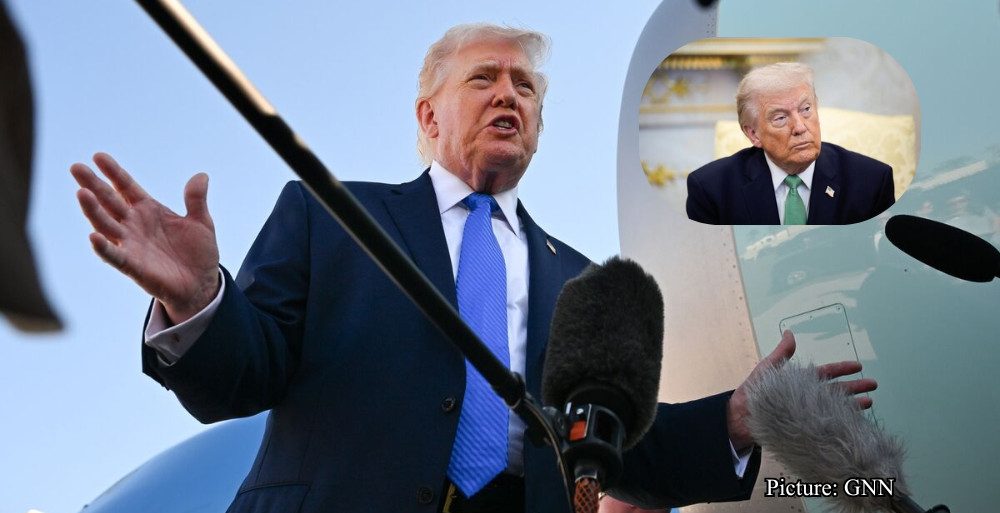
On Tuesday, Trump stated during a press briefing that many of Iran’s leaders have been replaced and indicated that the U.S. is in contact with individuals who are eager to negotiate. However, Iranian officials have denied claims of ongoing negotiations, acknowledging only that they have received proposals from the U.S. This conflicting narrative underscores the uncertainty surrounding the current diplomatic climate.
The Role of Regional Mediators
Pakistan, alongside Egypt and Turkey, has been facilitating communications between Tehran and Washington. Pakistani officials have expressed their readiness to host peace talks, a sentiment that Trump has echoed on social media, indicating his support for a potential summit. This involvement of regional mediators highlights the intricate diplomatic web surrounding the U.S.-Iran relationship and the broader geopolitical dynamics at play.
Should these peace talks materialize, it is anticipated that Vice President Vance would play a significant role in the discussions. However, uncertainty remains about the depth and seriousness of these negotiations, as officials on both sides attempt to assess the legitimacy of the outreach.
Internal Dynamics within Iran
U.S. officials have reported that the Iranian government is currently experiencing internal turmoil, which complicates its diplomatic stance. The leadership of the new supreme leader, Mojtaba Khamenei, is perceived to be in a state of flux, leading to confusion over who holds the authority to make binding decisions on behalf of the Iranian regime. Some Iranian officials have suggested that Trump’s overtures may merely be a strategic maneuver to stabilize markets and buy time for military preparations rather than indicative of genuine diplomatic progress.
Military Readiness and Strategic Options
In conjunction with these diplomatic efforts, the U.S. is also preparing for potential military escalation. Reports indicate that the Army’s 82nd Airborne Division has been directed to deploy to the Middle East, which would bolster U.S. military capabilities in the region with several thousand additional troops. This military readiness underscores the U.S. commitment to maintaining a robust presence in the Middle East while exploring diplomatic avenues.
The U.S. has presented Iran with a 15-point proposal that mirrors demands made during previous nuclear negotiations in Geneva. Key provisions reportedly include Iran’s agreement to relinquish its stockpile of highly enriched uranium, limit the range of its ballistic missile capabilities, and curtail its support for proxy groups across the region. While U.S. envoy Steve Witkoff has indicated that Iran may be amenable to several of these points, it remains unclear whether any officials within Tehran possess the authority to commit to such concessions.
Continued Skepticism and Future Prospects
Israeli officials have voiced doubts regarding Iran’s willingness to adhere to the U.S. demands, highlighting significant gaps that persist between the two sides. The apprehension remains that Trump may pursue a deal even if only partial demands are met, which could lead to a cessation of military operations without a comprehensive resolution to the underlying issues. U.S. and Israeli officials currently anticipate continued military engagement in the region over the coming weeks, regardless of the outcome of potential negotiations.
White House Press Secretary Karoline Leavitt has stated that while the Trump administration is exploring diplomatic avenues, military operations will continue unabated to achieve the objectives outlined by the President and the Pentagon. This dual approach reflects the administration’s strategy of maintaining military leverage while testing the waters for a potential diplomatic breakthrough.
Conclusion and Next Steps
The situation remains fluid as President Trump seeks to gauge the viability of a diplomatic resolution with Iran. However, should these talks falter, the administration is prepared to resume military action against Iranian targets. The outcome of these diplomatic efforts, coupled with the U.S. military’s strategic positioning, will be crucial in shaping future U.S.-Iran relations and the overall stability of the Middle East.