








The Trump administration has paused its planned military strikes against Iran’s energy infrastructure for a period of five days, coinciding with ongoing diplomatic discussions and pressures related to military threats and rising global energy prices.
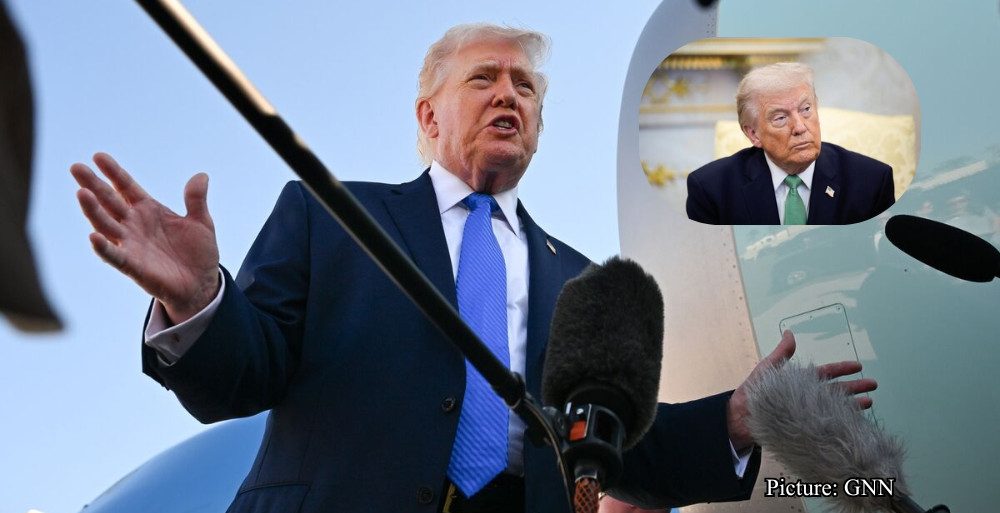
In a notable shift in U.S.-Iran relations, President Donald Trump announced on Saturday that proposed military strikes targeting Iranian energy infrastructure would be suspended for five days. This decision comes amid heightened tensions between the two nations and growing concerns regarding the security of the Strait of Hormuz, a critical maritime route through which a significant portion of the world’s oil supply is transported.
A senior Iranian security official, speaking with the Tasnim news agency, asserted that Trump had effectively “retreated” from his previous aggressive military stance due to escalating threats from Tehran and the ramifications of skyrocketing energy prices. The official further indicated that while various intermediaries had conveyed messages to Iran, formal negotiations had yet to take place.
Trump’s Military Threats and Diplomatic Leverage
Trump’s earlier threats included plans to attack Iran’s largest electric generating plants, assets valued at over $10 billion. He remarked, “Tomorrow morning, sometime their time, we were expected to blow up their largest electric generating plants… Why would they want that? So they called. I didn’t call, they called.” This statement underscores Trump’s strategy of employing military intimidation as a means of advancing diplomatic discussions, illustrating the delicate balance between warfare and negotiation.
Strait of Hormuz: A Strategic Concern
The Strait of Hormuz has become a focal point in U.S. foreign policy, as Trump has increasingly pressured traditional American allies to ensure safe passage for vessels navigating this vital waterway. His criticisms of NATO, which he has labeled an unreliable partner, reflect frustrations over European nations’ hesitance to fully back his military strategies.
In a recent interview on CBS’s “Face the Nation,” U.S. Ambassador to the United Nations Mike Waltz expressed optimism regarding allied support, stating, “We are seeing our allies come around, as they should.” Contrarily, United Nations Secretary-General António Guterres previously cautioned that military strikes against Iran’s energy infrastructure could constitute war crimes, highlighting the legal and ethical complexities surrounding military interventions.
Public Sentiment and Legislative Dynamics
In the United States, public opinion regarding military engagement in the region has largely been unfavorable. A CBS News/YouGov survey released on Sunday found that 57 percent of Americans believe the conflict is progressing poorly for the U.S. Despite widespread dissatisfaction, Congress has shown limited willingness to impede the administration’s military actions. Recent attempts by Democrats to pass a war powers resolution aimed at curbing further military escalation against Iran were defeated in the Senate, marking the second failure for such legislative efforts. Only Senator Rand Paul (R-Ky.) sided with Democrats, while Senator John Fetterman (D-Penn.) broke party lines to oppose the resolution.
Democratic leaders have signaled their intention to continue pursuing legislative votes on military action in an effort to hold the Trump administration accountable. Meanwhile, Republican support for the President’s approach remains robust, as indicated by a recent POLITICO Poll, which revealed that a majority of Trump supporters endorse the military strikes.
Strategic Implications and Future Considerations
A former defense official, who spoke on the condition of anonymity, expressed concerns regarding the ongoing closure of the Strait of Hormuz, emphasizing that the U.S. is “in a race against time to reopen the strait.” The official warned that prolonged disruptions to commercial shipping could jeopardize U.S. military credibility, illustrating how a comparatively modest military power could effectively challenge the world’s most dominant navy.
As the Trump administration navigates these complex geopolitical waters, the decision to pause military strikes offers an opportunity for potential diplomatic engagement. However, the situation remains fluid, with both domestic pressures and international dynamics continuing to shape the evolving narrative of U.S.-Iran relations.
The implications of this pause are significant, particularly in light of the broader context of U.S. foreign policy in the Middle East. The administration’s approach toward Iran has been characterized by a combination of sanctions, military threats, and sporadic diplomatic overtures, all of which contribute to an increasingly volatile regional landscape. The pause in military action could signal a willingness to explore diplomatic avenues, yet it also raises questions about the administration’s long-term strategy and its commitment to addressing the underlying issues driving U.S.-Iran tensions.
In conclusion, the temporary suspension of military strikes against Iran reflects the intricate interplay between military readiness and diplomatic efforts. As the global community watches closely, the coming days will be pivotal in determining whether this pause leads to meaningful negotiations or whether tensions will once again escalate.