






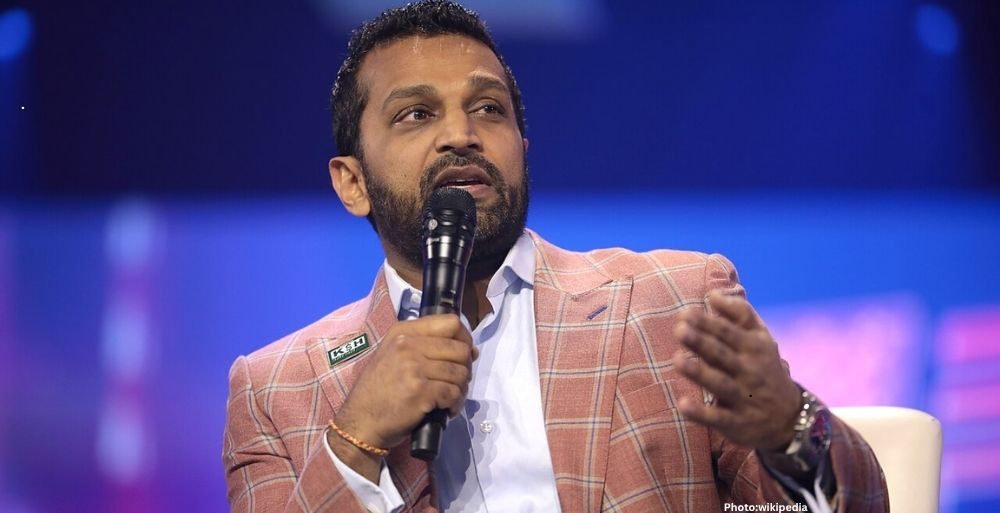
The Fourth Amendment faces renewed scrutiny as FBI Director Kash Patel confirms under oath that the agency is acquiring private location data from commercial sources, raising concerns over constitutional rights and privacy protections.
WASHINGTON, DC – In a testimony that has ignited a renewed debate over privacy rights in the digital age, FBI Director Kash Patel confirmed on March 18, 2023, before the Senate Intelligence Committee that the agency is actively purchasing private location data from commercial sources. This admission has raised significant concerns regarding the implications for Fourth Amendment protections against unreasonable searches and seizures.
The testimony occurred during a tense exchange with Senator Ron Wyden (D-OR), who pressed Patel on the FBI’s data acquisition practices. Patel’s comments represent a notable shift from the FBI’s previous stance; in 2023, former FBI Director Christopher Wray had testified that the bureau had placed a temporary hold on the acquisition of data collected from mobile applications and internet advertisements.
Revisiting the FBI’s Data Practices
During the hearing, Patel defended the FBI’s practices by stating that the agency only acquires “commercially available information” in accordance with the Electronic Communications Privacy Act (ECPA). He asserted that such data has provided the FBI with valuable intelligence that aids in protecting national security. Patel emphasized, “We are committed to acting within the legal frameworks that govern our operations.” However, his assurances did little to quell concerns voiced by privacy advocates and lawmakers.
Senator Wyden, known for his advocacy of civil liberties, expressed skepticism about Patel’s justifications, condemning the practice as an “outrageous end run” around constitutional protections. He articulated worries about the potential dangers posed by using artificial intelligence to analyze vast troves of personal data, noting, “This is not just about the FBI; it’s about the fundamental rights of all Americans.” Wyden’s statements reflect a broader unease regarding the balance between national security imperatives and individual privacy rights in an era where digital surveillance is increasingly pervasive.
The Legal Landscape
The situation underscores a significant loophole in the current legal framework governing data acquisition by law enforcement agencies. Under the ECPA, the FBI and other federal agencies are required to obtain a judge-signed warrant to access personal data directly from telecommunications companies, including major providers like Verizon and AT&T. However, they can circumvent this requirement by purchasing similar information from private data brokers. This legal gap raises serious constitutional questions about the practical applicability of the Fourth Amendment, allowing law enforcement to bypass traditional oversight mechanisms.
Reports from various media outlets, including The Guardian, have noted that this practice effectively makes the Fourth Amendment optional for agencies with sufficient financial resources to procure private data. This reality suggests a troubling scenario where the ability of government entities to surveil private citizens may be dictated by budgetary constraints rather than constitutional protections, potentially undermining the foundational principles of civil liberties.
Implications for Civil Liberties
The implications of the FBI’s data acquisition practices are profound, prompting urgent discussions about the future of privacy rights in America. The ongoing scrutiny reflects a growing national conversation about surveillance, privacy, and the delicate balance between security and civil liberties. As technology continues to evolve, the availability of personal data has increased exponentially, making it imperative for policymakers to establish clear legal guidelines that safeguard citizens’ privacy rights.
Patel’s defense of the FBI’s practices highlights the tension between national security and individual rights. While he insisted that the agency operates within the confines of existing laws, the criticism from Senator Wyden and other advocates indicates a pressing need for greater transparency and accountability in governmental surveillance practices.
Potential Legislative Responses
The revelations from the Senate Intelligence Committee hearing may spur legislative action aimed at addressing the existing loopholes in data acquisition laws. Lawmakers may seek to establish stricter regulations governing the purchase of private data, ensuring that constitutional protections remain intact amid advancements in technology and changing societal norms regarding privacy. Such measures could include requiring warrants for the acquisition of data from private sources, thereby reinforcing the protections afforded by the Fourth Amendment.
As these discussions unfold, the intersection of law enforcement practices, privacy rights, and technological advancements will remain a critical focus for policymakers, civil rights advocates, and the public. The outcome of these conversations will likely influence the future trajectory of privacy protections and surveillance in the United States, as stakeholders grapple with the complex challenges posed by modern technology.
Conclusion
The recent testimony by FBI Director Kash Patel raises essential questions about the balance of power between governmental authorities and the rights of individuals in an increasingly digital society. As the conversation continues, it is clear that the implications of these practices will resonate far beyond the walls of the Senate hearing room, shaping the discourse around privacy and security for years to come.