









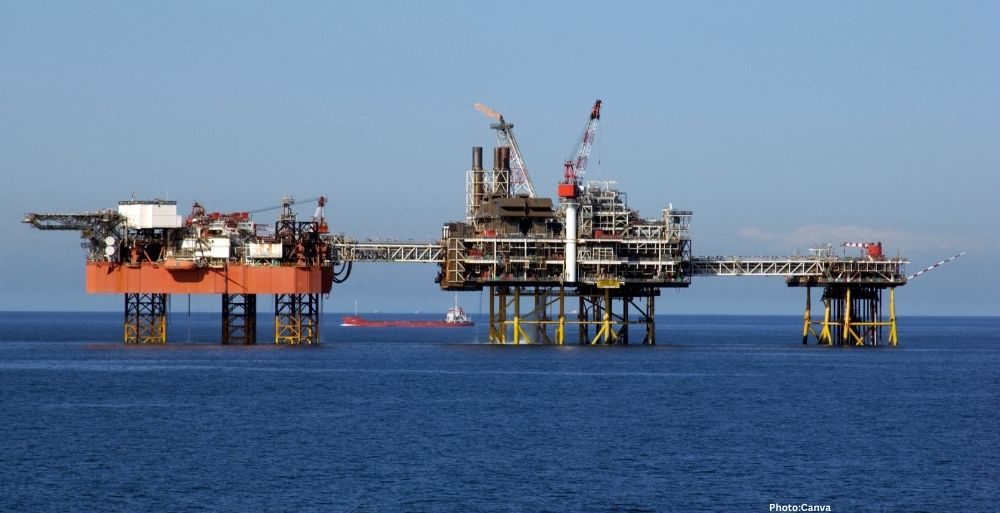
A global transition to renewable energy could significantly reduce one of the leading drivers of international conflict, according to energy and climate experts. As the world gradually moves away from fossil fuels, the geopolitical tensions tied to oil dependency may also begin to ease.
Research published in the journal International Security found that between one-quarter and one-half of interstate wars from 1973 to 2007 were linked to oil. Today, nearly 75% of the global population lives in countries that rely on imported fossil fuels, highlighting how deeply energy dependence shapes international relations.
Experts say this reliance often fuels conflicts through competition over limited resources, supply disruptions, and strategic control of critical routes. A recent example is the escalating tensions involving Iran and the strategic Strait of Hormuz, where disruptions have sent global oil prices surging.
At the core of the issue is scarcity. Fossil fuels are finite, and as supplies diminish, competition intensifies. This dynamic has historically contributed to geopolitical instability and conflict.
Global leaders are increasingly calling for a faster transition to renewable energy. Officials from the United Nations emphasize that reducing dependence on fossil fuels could not only stabilize economies but also lower the risk of future conflicts.
Beyond environmental benefits, the shift to clean energy may bring unexpected advantages. Renewable sources such as solar, wind, and hydropower are more widely distributed and less likely to trigger international disputes. Unlike oil, these resources have not historically been a cause of war.
Technological advancements have also made renewable energy more efficient and scalable. Experts note that modern innovations allow significantly more energy to be transported and generated with fewer resources compared to traditional fossil fuels.
However, the transition is not without challenges. The materials required for renewable technologies—such as lithium and rare earth metals—are also limited and often concentrated in politically sensitive regions. This raises concerns about new forms of resource competition.
Additionally, countries like China dominate large portions of renewable technology production, including solar panels, introducing new geopolitical considerations.
Despite rapid growth in renewable capacity in recent years, progress remains uneven. Many nations are still falling short of their 2050 net-zero targets due to infrastructure, financial, and political barriers.
Historically, oil has played a central role in major global conflicts—from World War II-era embargoes to the Gulf War and ongoing geopolitical tensions. Even today, control over oil resources continues to influence international strategies and conflicts.
While renewable energy offers a pathway toward a more stable and sustainable future, experts caution that the transition must be managed carefully. Climate change itself is already acting as a “threat multiplier,” intensifying resource scarcity and increasing the risk of conflict.
Ultimately, while clean energy may reduce one major source of global tension, broader issues of security, survival, and human welfare remain at the forefront of conflicts today.