


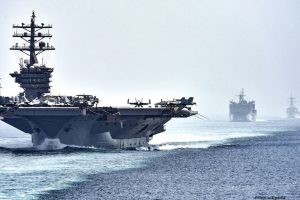


Following the effective closure of the Strait of Hormuz, External Affairs Minister S. Jaishankar has launched a high-stakes diplomatic marathon across the Gulf and Europe. With 20% of global energy flows at a standstill and the BRICS chairmanship under strain, India is fighting to safeguard its domestic stability while navigating a fractured international landscape.
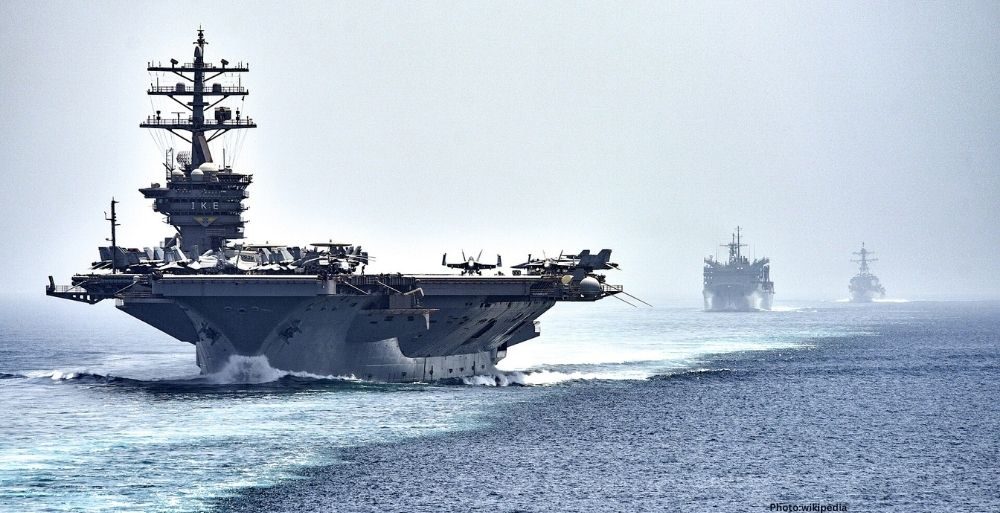
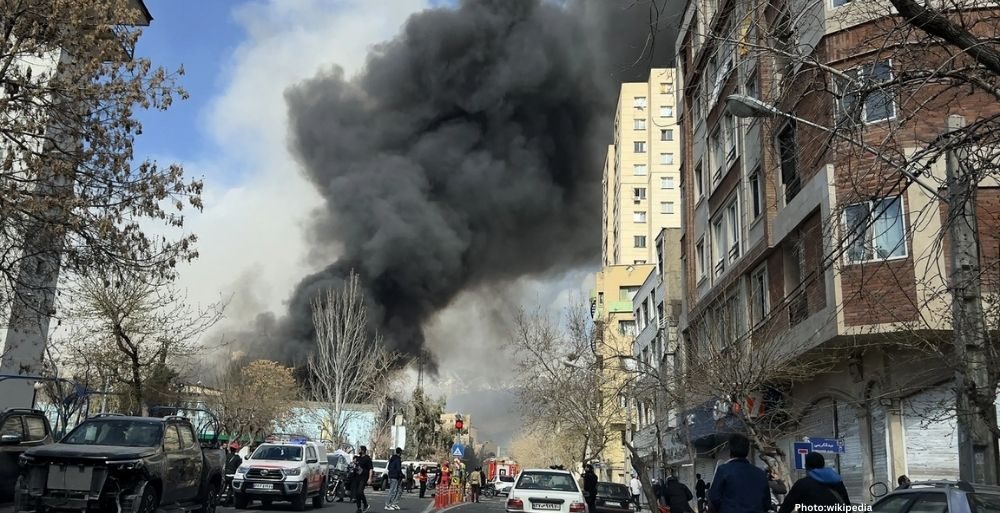
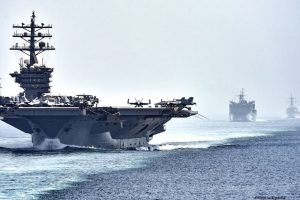
In a flurry of diplomatic activity that underscores the gravity of the West Asia crisis, External Affairs Minister S. Jaishankar has spent the last 48 hours engaged in urgent consultations with Riyadh, Abu Dhabi, and Brussels. The catalyst for this strategic surge is the escalating US-Israel-Iran war, which reached a breaking point on February 28 and has since seen the Strait of Hormuz—the world’s most vital energy chokepoint—effectively blocked.
For New Delhi, the stakes are not merely geopolitical; they are existential. India relies on the Gulf for over 60% of its crude oil and a vast majority of its LPG and LNG supplies. With the Strait of Hormuz currently impassable for most commercial tankers, the Indian government is facing the prospect of a severe energy supply shock that could derail its 7% GDP growth trajectory for the 2026-27 fiscal year.
Energy Security in the Crosshairs
The conversations between Jaishankar and his counterparts, Faisal bin Farhan of Saudi Arabia and Abdullah bin Zayed Al Nahyan of the UAE, were not standard diplomatic pleasantries. Sources indicate the talks focused heavily on the safety of shipping lanes and the activation of contingency energy routes.
Currently, around 2.5 to 2.7 million barrels per day of India’s crude imports normally transit through the Strait. With those flows interrupted, the Ministry of External Affairs (MEA) is reportedly looking to pivot back toward Russian crude—which had seen a 12% reduction in January during trade talks with Washington—to fill the immediate vacuum. However, with global oil prices hovering near $100 a barrel, every $1 increase adds approximately $2 billion to India’s annual import bill, putting immense pressure on the trade balance and the Indian Rupee.
The BRICS Burden: Leadership Amid Division
The crisis comes at a particularly sensitive time for India’s global leadership, as it currently holds the chairmanship of BRICS. The bloc, which recently expanded to include both Iran and the UAE, is deeply fractured by the conflict. While Tehran is a direct combatant, other members like the UAE have faced retaliatory strikes on US bases within their borders, complicating the search for a unified position.
MEA Spokesperson Randhir Jaiswal acknowledged the difficulty, stating that the direct involvement of member states has “impacted forging a consensus.” Unlike the unified statements issued under previous chairs, the BRICS 2026 leadership has struggled to find a common language. Jaishankar’s fourth conversation with Iranian Foreign Minister Seyed Abbas Araghchi this week highlights India’s delicate role: acting as a bridge to ensure that India-flagged vessels are not caught in the crossfire of Iran’s “retaliatory actions.”
Brussels: A Strategic Pivot to the West
Even as Jaishankar manages the fallout in the Gulf, he arrived in Brussels on Sunday for a two-day visit at the invitation of Kaja Kallas, the EU’s High Representative for Foreign Affairs. This visit follows the historic 16th India-EU Summit in January, which saw the finalization of a landmark Free Trade Agreement (FTA).
In Brussels, Jaishankar is expected to address the Foreign Affairs Council, briefing the 27 EU member states on India’s perspective of the Middle East conflict. The European Union, which has its own energy vulnerabilities, is increasingly looking to India as a stabilizing force in the Indo-Pacific. The discussions are likely to revolve around the Security and Defence Partnership signed earlier this year, focusing on maritime security and the protection of the Red Sea and Indian Ocean trade routes.
The Minister’s agenda also includes a push for the India-Middle East-Europe Economic Corridor (IMEC), a project that has been thrown into uncertainty by the war. Strengthening the India-EU axis is now seen as a necessary counterbalance to the volatility triggered by US-Iran hostilities and the unpredictable tariff policies emanating from Washington.
Domestic Resilience and the Road Ahead
At home, the Indian government is moving to prevent public panic. While the MEA handles the diplomatic front, the Department of Fertilisers has issued statements assuring that stocks for the Kharif 2026 cropping season are sufficient, despite the region supplying 40% of India’s fertiliser needs.
The next few weeks will test the limits of India’s strategic autonomy. Whether through the “Sherpa channel” of BRICS or the high-level corridors of the EU, New Delhi is attempting to de-escalate a conflict that threatens to turn the Gulf into a dead zone for global trade. As Jaishankar meets with his counterparts in Belgium, the message from New Delhi is clear: India will not be a passive observer to the destruction of its economic lifelines.
New Delhi Activates Crisis Diplomacy as ‘Hormuz Blockade’ Threatens India’s Energy Arteries