




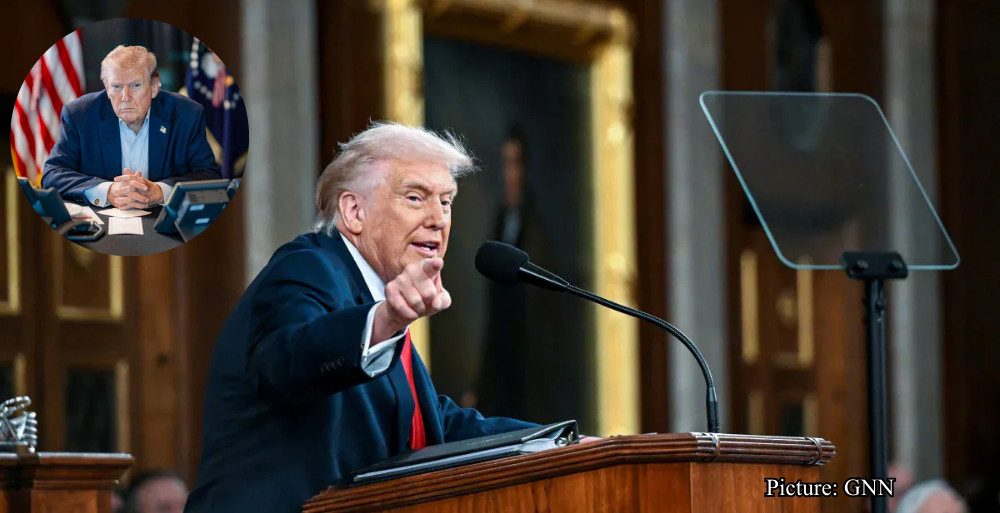
As the war between the United States and Iran enters its second week, President Donald Trump offered a sprawling and at times contradictory assessment of the conflict’s trajectory during a press conference in Florida. While the G7 signals a readiness to intervene in stabilizing global energy markets, Tehran has explicitly ruled out diplomacy, warning of a protracted war designed to inflict maximum economic pain on the West.
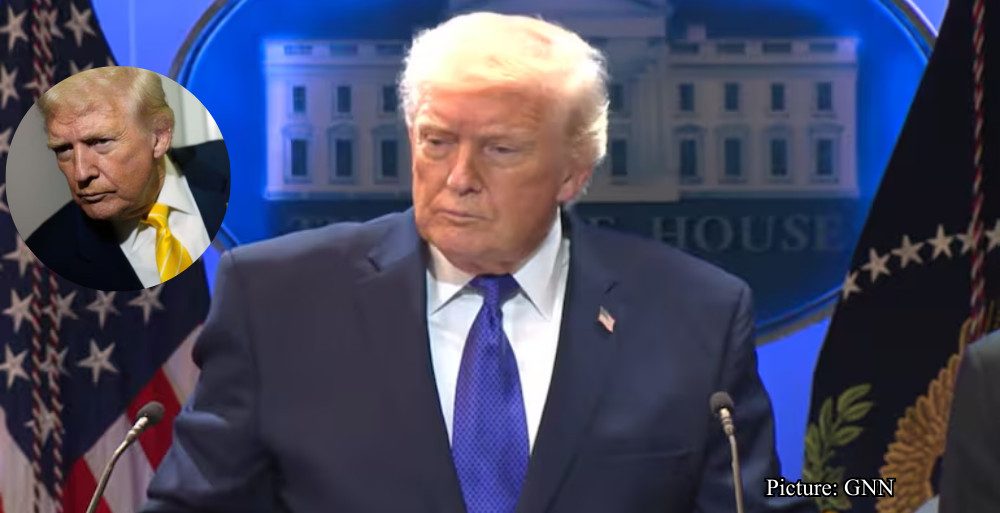
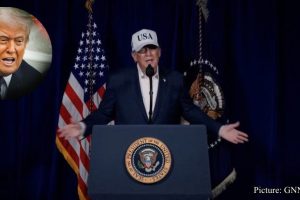
The sunshine of Doral, Florida, provided a stark contrast on Monday to the gathering clouds of a deepening regional war. Speaking from his namesake golf resort, President Donald Trump delivered a series of high-stakes updates on the tenth day of the conflict with Iran, fluctuating between declarations of imminent victory and warnings of unfinished business. The President’s rhetoric, characterized by his signature blend of bravado and strategic ambiguity, left both allies and adversaries parsing his words for the true “endgame” of a war that has already reshaped global markets.
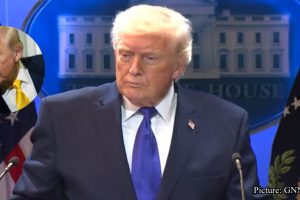
Trump’s messaging to reporters and House Republicans gathered for a policy retreat was notably bifurcated. In one breath, he suggested that American and Israeli military objectives might be “pretty well complete,” noting that the U.S. has already struck over 5,000 targets across the Islamic Republic. He claimed that the sheer scale of the aerial campaign had left the Iranian military “utterly demolished,” specifically citing the destruction of nearly 80% of Tehran’s missile launchers and the neutralization of its navy. “The navy is gone,” Trump declared. “It’s all lying at the bottom of the ocean.”
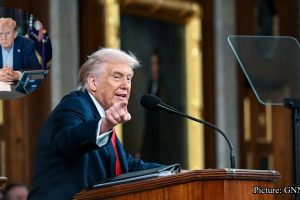
Yet, hours later, the tone shifted. Addressing a room of Republican lawmakers, the President struck a more hawkish note, conceding that while the U.S. has “won in many ways,” it has “not won enough.” This duality—characterizing the war as a “short-term excursion” while simultaneously holding back a “significant” number of targets for a later date—suggests an administration still grappling with the definition of total victory. Trump hinted that he was intentionally sparing certain infrastructure, such as electricity production facilities, to use as leverage. “If we hit them, it’s going to take many years for them to be rebuilt,” he said. “So, we’re not looking to do that if we don’t have to.”
While the President projected confidence from the podium, the economic reality of the conflict remains volatile. In a moment of reprieve for global markets, Asian stocks rebounded early Tuesday after oil prices retreated from their recent peaks, briefly dipping back below the $90-per-barrel mark. This stabilization followed a high-level emergency meeting of the G7 finance ministers, who issued a joint communique vowing to take “all necessary measures” to ensure the security of global energy supplies.
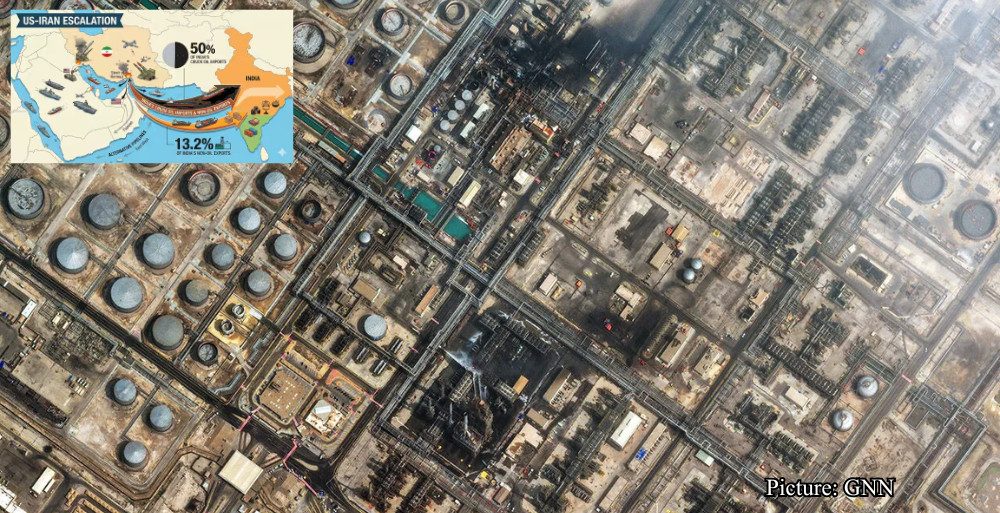
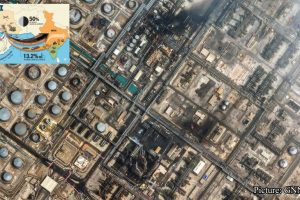
The G7’s stance, coupled with reports that the International Energy Agency (IEA) is preparing a coordinated release of emergency oil reserves, provided a temporary floor for the markets. However, the respite may be short-lived. The Strait of Hormuz remains a maritime graveyard, with insurance premiums for tankers reaching prohibitive levels and the U.S. Navy preparing to escort commercial vessels through the narrow waterway—a move that risks further direct confrontation with Iranian littoral forces.
The diplomatic front offers even less cause for optimism. In an exclusive interview with CNN, Kamal Kharazi, a senior foreign policy adviser to Iran’s new Supreme Leader, Mojtaba Khamenei, signaled a total breakdown in communications. Kharazi stated bluntly that there is “no room” for diplomacy, asserting that Tehran is prepared for a “long war” of attrition. He signaled that Iran is willing to continue its campaign of strikes against Persian Gulf countries, explicitly aiming to create enough “economic pain” through inflation and energy shortages to force the international community to intervene against the U.S.-Israeli coalition.
Adding a layer of tactical complexity is the status of Iran’s uranium stockpile. Intelligence reports suggest that a significant portion of Iran’s highly enriched uranium is stored in deep underground facilities, particularly the Isfahan complex, which was partially buried during previous strikes. Current and former U.S. officials have warned that “neutralizing” this material from the air is a near-impossibility. Securing or extracting these stockpiles would likely require a large-scale ground operation involving thousands of U.S. troops—a “boots on the ground” scenario that the White House has thus far treated with caution, even as the 82nd Airborne remains on high alert.
The succession of Mojtaba Khamenei, following the death of his father in the opening salvos of the war, appears to have solidified the regime’s hardline stance rather than fractured it. As the conflict moves into its second week, the “short-term excursion” described by the President is increasingly looking like a long-term geopolitical realignment, one where the final terms of surrender remain as elusive as the smoke over the Persian Gulf.