








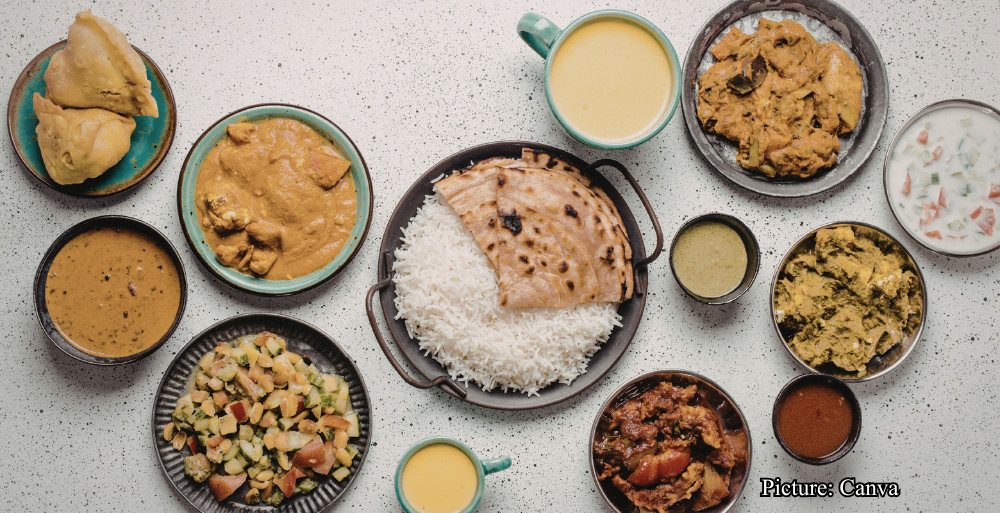
As modern diets increasingly grapple with the systemic fallout of processed foods and rapid consumption, traditional Indian culinary wisdom offers a sophisticated framework for digestive health. By prioritizing the thermodynamics of digestion and the strategic use of carminative spices, these ten dishes and three ancestral “pachak” recipes provide a functional roadmap for reducing gastrointestinal fermentation and chronic bloating.
The sensation of abdominal bloating—a pervasive complaint in contemporary outpatient clinics—is rarely the consequence of a single indulgent meal. Rather, it is the physiological byproduct of impaired gut motility. When digestion decelerates, organic matter lingers in the gastrointestinal tract, undergoing prolonged fermentation that releases gases and precipitates systemic discomfort. While Western nutritional science has spent the last decade focusing on the elimination of “trigger” ingredients like gluten or lactose, the foundational philosophy of Indian cookery has long addressed a more nuanced metric: the kinetic behavior of food within the human body.
For millennia, the Indian kitchen has functioned as a laboratory for digestive efficiency. The objective was never merely sustenance or heat, but the maintenance of Agni, or the metabolic fire. Through the meticulous balancing of pH-altering ingredients, temperature control, and the integration of bioactive compounds, traditional recipes were engineered to ensure that food transitions through the gut with minimal friction.
The Topography of Digestive Dishes
At the forefront of this dietary intervention is Vegetable Daliya, a broken wheat porridge that stands in stark contrast to the heavy, refined flours of modern breakfasts. Daliya is prized by nutritionists for its high fiber content and its ability to absorb digestive spices like cumin and ginger. Because it is cooked to a soft, semi-solid consistency, the mechanical load on the stomach is significantly reduced, preventing the “stagnation” that leads to gas.
Similarly, Kadhi, a tempered blend of diluted yogurt and gram flour, utilizes the principles of gentle fermentation. By simmering yogurt with fenugreek seeds and turmeric, the dish introduces probiotic cultures and enzymes that stimulate the gallbladder and pancreas. The warmth of the liquid soothes the gastric lining, while the sourness acts as a natural catalyst for hydrochloric acid production, ensuring that proteins are broken down effectively rather than left to putrefy.
In the realm of grains, Steamed Vegetable Upma demonstrates how preparation techniques can neutralize potential triggers. When semolina is dry-roasted before being hydrated with mustard seeds, curry leaves, and hing (asafoetida), the complex starches become more bioavailable. This specific combination of “tadka” or tempering acts as a powerful anti-flatulent, allowing the fiber from carrots and beans to move through the intestines without creating the pressure associated with high-fiber diets.
For those prone to the heaviness associated with legumes, Palak Dal (spinach lentils) offers a corrective. By slow-cooking lentils until their cellular structures fully collapse and integrating magnesium-rich spinach, the dish promotes peristalsis—the muscular contractions of the gut. The addition of garlic and turmeric serves a dual purpose: antimicrobial protection and the reduction of gut inflammation.
Hydration and Cooling Mechanics
Vegetables with high water occupancy, such as Tori (ridge gourd), play a critical role in cooling the digestive tract. Often overlooked in gourmet circles, Tori is a staple in Ayurvedic recovery diets because its soft fibers require almost no metabolic effort to process. This hydration helps dilute concentrated gastric juices that can otherwise lead to acidity-induced bloating.
In a more contemporary context, Indian-style Lemon Coriander Soup serves as a functional aperitif. The warm liquid signals the stomach to prepare for incoming solids, while the coriander acts as a mild sedative for an irritated bowel. This is often paired with or followed by a Plain Dosa with Coconut Chutney. The fermentation of the rice and lentil batter over 8 to 12 hours pre-digests the carbohydrates, effectively outsourcing the hardest part of the stomach’s job to the natural bacteria in the air.
The inclusion of Methi Thepla (fenugreek flatbreads) in a daily regimen introduces the bitter profile necessary for liver stimulation. Fenugreek is a known galactagogue and digestive stimulant that prevents the sluggishness often following a wheat-heavy meal. When complemented by a South Indian Vegetable Stew, which replaces heavy dairy with coconut milk and black pepper, the result is a meal that nourishes the tissues without distending the abdomen.
The Role of Post-Prandial Biology: The Pachak
The Indian culinary experience culminates not in a dessert, but in a Pachak—a medicinal digestive aid. These are not merely palate cleansers; they are targeted biochemical interventions designed to accelerate gastric emptying.
- The Ajwain-Lemon Blend: Carom seeds (ajwain) contain thymol, a phenol that triggers the secretion of gastric juices. When combined with black salt and lemon, it creates an alkaline reaction that can neutralize trapped gas in minutes.
- Saunf-Mishri: Fennel seeds are rich in estragole and anethole, compounds that act as antispasmodics. Chewing these after a meal relaxes the smooth muscles of the intestine, providing immediate relief from the “tight” sensation of a full stomach.
- The Ginger-Lemon Shot: For high-protein or heavy meals, a concentrated shot of ginger juice and lemon acts as a prokinetic agent. Ginger contains gingerols, which have been clinically shown to speed up the rate at which food leaves the stomach, significantly shortening the window for gas production.
Finally, the Masala Chaas (spiced buttermilk) serves as the ultimate systemic reset. By diluting yogurt to a 1:4 ratio and adding roasted cumin and mint, the drink provides hydration, probiotics, and carminative support. It is the architectural finish to a meal designed for longevity and comfort, proving that the solution to modern bloating may well be found in ancient kitchens.