








Global oil and natural gas prices surged on March 6, 2026, as intensifying military conflict between the United States, Israel, and Iran forced widespread shutdowns of energy facilities and effectively choked maritime traffic in the Strait of Hormuz. The benchmark Brent crude futures escalated nearly 29% since the outbreak of hostilities on February 28, reaching $94 per barrel, while U.S. West Texas Intermediate (WTI) surged to over $90, marking its highest level since August 2022.
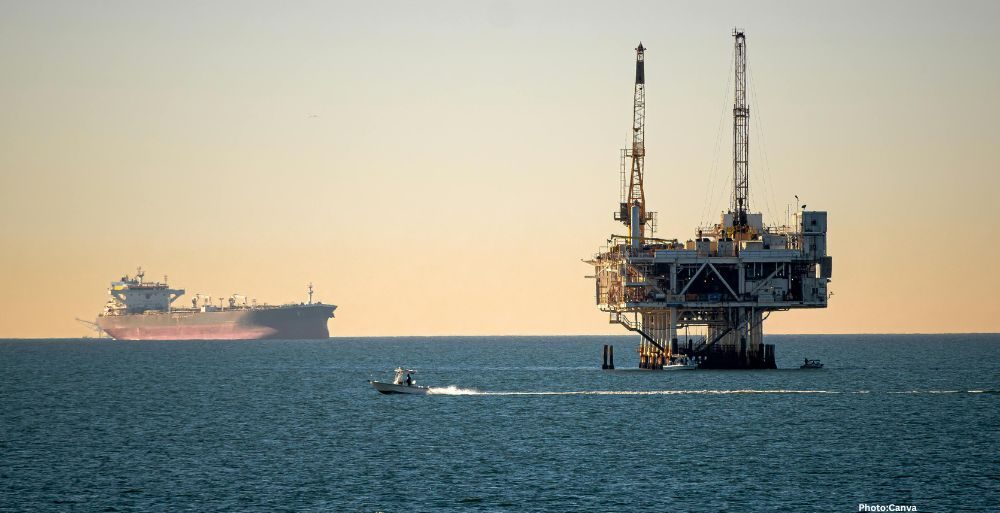
The disruption centers on the Strait of Hormuz, a critical transit point for approximately 20% of the world’s oil and liquefied natural gas (LNG). Major producers including Saudi Arabia, Qatar, and Iraq have faced operational halts following drone strikes and the suspension of insurance coverage for commercial tankers. Analysts warn that a prolonged closure of the waterway could push crude prices into triple digits, with JPMorgan projecting a rise above $100 per barrel if traffic remains restricted for several weeks.
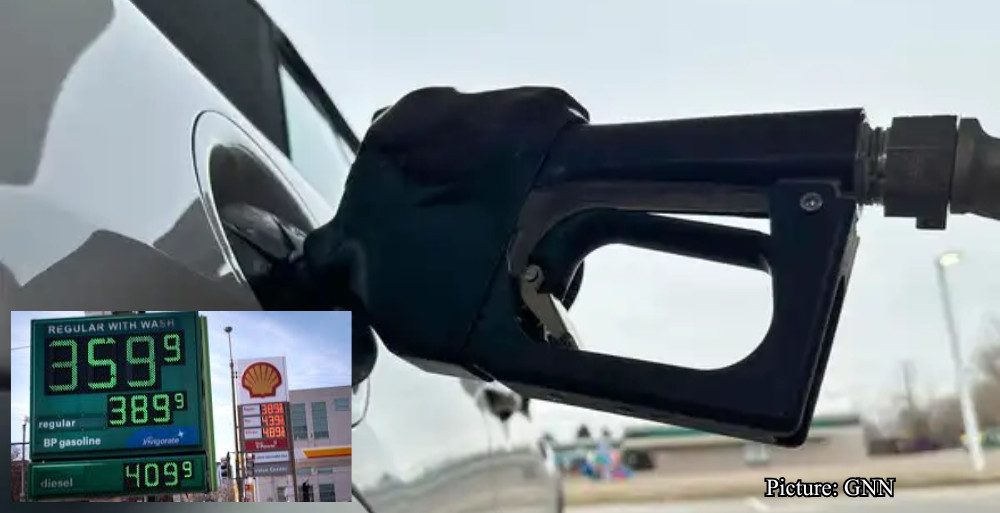
Domestic fuel costs in the United States have mirrored the global spike, with AAA reporting that the national average for a gallon of regular gasoline has climbed 11% to $3.40 in a single week. This “one-off shock” coincides with a disappointing Bureau of Labor Statistics report showing the U.S. economy unexpectedly lost 92,000 jobs in February, pushing the unemployment rate to 4.4%. The dual pressure of rising energy costs and a softening labor market has complicated the Federal Reserve’s interest rate trajectory.
Despite the immediate volatility, some economists suggest the long-term impact may be mitigated by domestic production. Joseph Brusuelas, chief economist at RSM, noted that the U.S. economy is less vulnerable to oil shocks than in previous decades. However, QatarEnergy has already signaled intent to declare force majeure on LNG shipments, and industry experts remain concerned about the systemic risks to European and Asian markets heavily dependent on Middle Eastern exports.
“This is becoming very much a real supply problem for this market in real time, like a slow-motion traffic accident coming to fruition here,” stated John Kilduff, energy analyst at Again Capital.