




The Israeli military launched a new wave of aerial strikes against Tehran on Saturday, marking the seventh day of a broad Middle East conflict that has escalated to include direct confrontations between regional powers and U.S. forces.
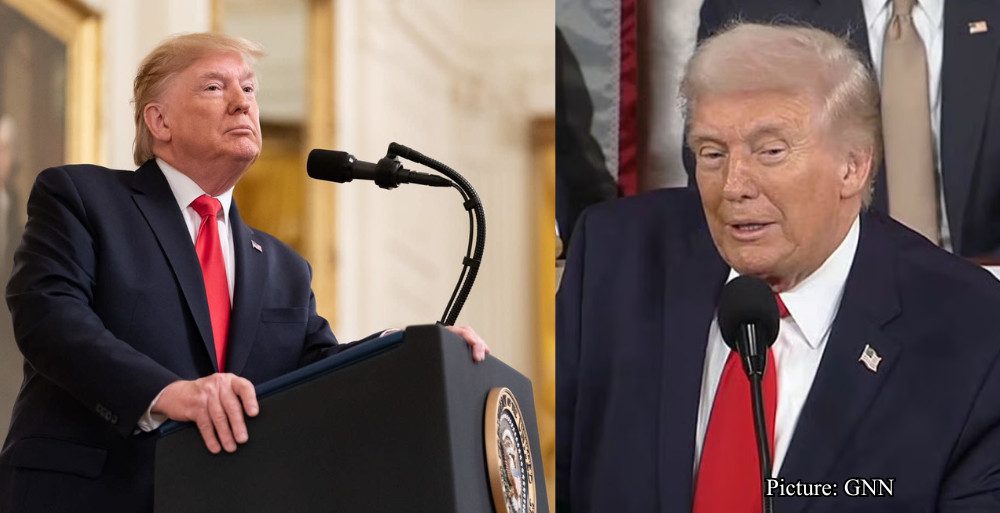
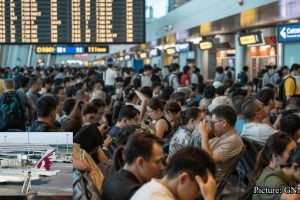
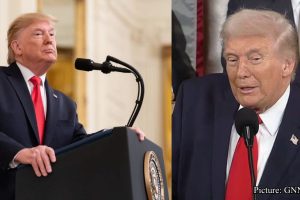
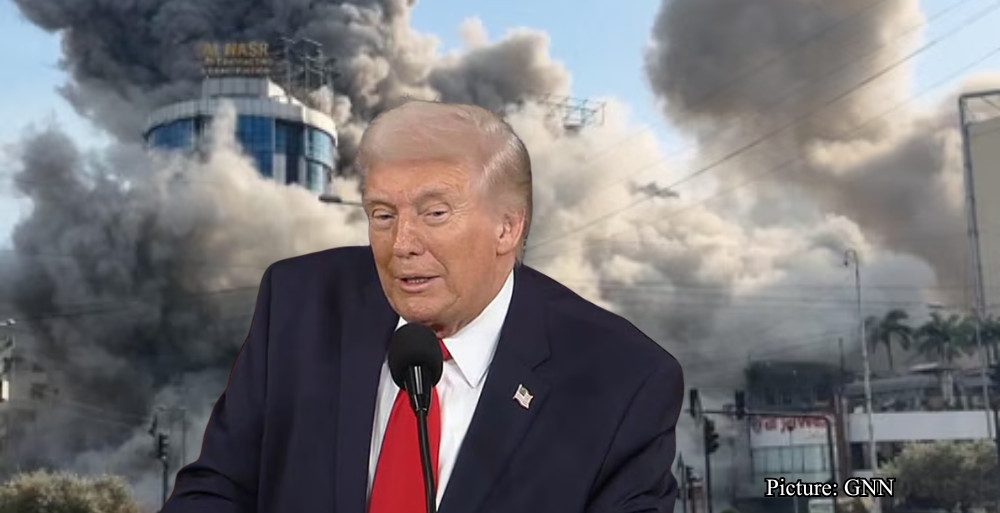
The offensive against the Iranian capital resulted in significant infrastructure damage, with verified video footage showing Mehrabad Airport on fire following the strikes. The escalation comes as U.S. President Donald Trump clarified the American diplomatic position, stating there will be no deal with Iran until an “unconditional surrender.” The President further noted that he is not worried whether Iran becomes a democratic state, prioritizing a total cessation of hostilities and regional compliance over internal political restructuring.
United Nations Secretary-General António Guterres issued a formal warning regarding the trajectory of the violence, stating the war “could spiral beyond anyone’s control.” The Secretary-General’s remarks reflect growing international anxiety as the theater of war expands beyond the immediate borders of the initial belligerents. Diplomatic efforts at the UN remain stalled as member states grapple with the rapid pace of military developments across the Persian Gulf and Levant.
U.S. Central Command confirmed on Saturday that the American military has struck more than 3,000 targets inside Iran since the commencement of a joint U.S.-Israeli operation last weekend. These operations have focused on degrading Iranian command and control centers, missile silos, and logistical hubs. The scale of the air campaign represents one of the most significant uses of American kinetic force in the region in several decades, aiming to neutralize the Islamic Revolutionary Guard Corps’ ability to project power.
Regional spillover continues to affect neighboring energy-producing states, with Gulf nations reporting active defense measures against retaliatory strikes. Saudi Arabia and Dubai announced the successful interception of inbound attacks on Saturday morning. These incidents highlight the precarious security situation for global energy markets and the reliance on sophisticated missile defense systems to prevent catastrophic damage to civilian and industrial infrastructure in the Arabian Peninsula.
In northern Iraq, Iranian Kurdish groups have become a secondary front in the expanding conflict. Following reports that the Central Intelligence Agency was providing arms to Kurdish factions, Iranian forces have intensified drone and missile strikes against their encampments. These groups, which have long sought autonomy or regime change in Tehran, now find themselves targeted by both Iranian state forces and regional proxies, complicating the humanitarian situation in the semi-autonomous Kurdistan region.
The historical context of the current hostilities traces back to decades of shadow warfare between Israel and Iran, which has now transitioned into a high-intensity conventional conflict. For years, the two nations engaged in cyber warfare, maritime sabotage, and proxy battles in Lebanon and Syria. The shift to direct strikes on sovereign territory, particularly the targeting of Tehran, signifies a fundamental collapse of previous deterrence frameworks that had governed the Middle East since the early 21st century.
Economic analysts warn that a prolonged conflict involving the world’s primary oil-exporting region could trigger a global recession. While the interception of missiles over Saudi Arabia and the United Arab Emirates has so far prevented a total halt in production, the insurance premiums for maritime transit through the Strait of Hormuz have reached historic highs. The “unconditional surrender” demand from the White House suggests that the United States is prepared for a long-term engagement to achieve a total shift in the regional security architecture.
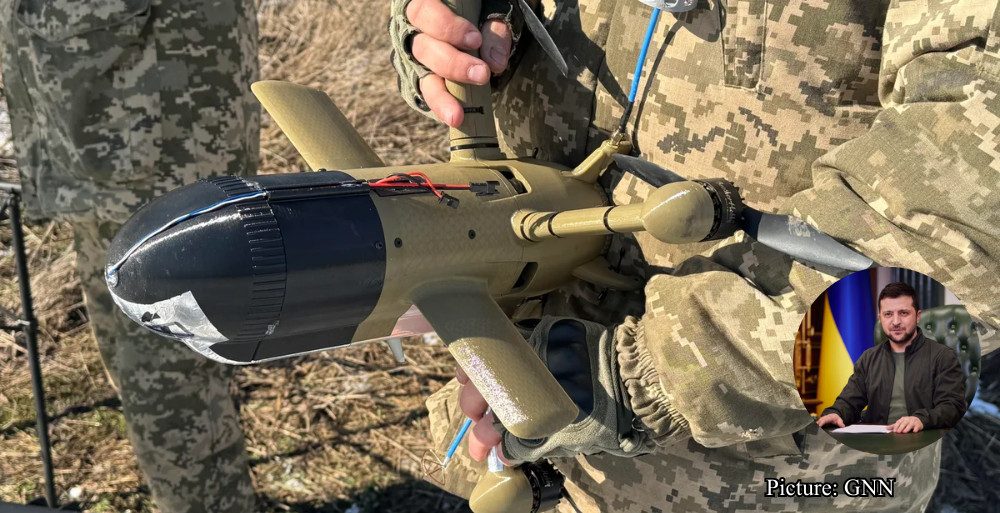
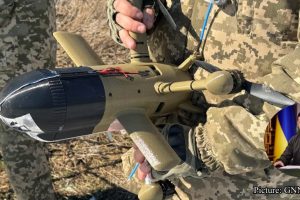
The military capabilities of Iran, while significantly degraded by the 3,000 strikes reported by Central Command, remain a concern for coalition planners. Iran’s vast arsenal of ballistic missiles and its network of asymmetric “Axis of Resistance” partners in Yemen, Iraq, and Lebanon provide it with the means to continue a war of attrition. The use of suicide drones and low-altitude cruise missiles has tested the limits of Western-manufactured defense systems currently deployed across the Persian Gulf.
Within the United States, the administration’s hardline stance has sparked intense debate among foreign policy experts. By demanding “unconditional surrender,” a term historically reserved for the total defeat of Axis powers in World War II, the Trump administration has effectively signaled that it is no longer seeking a return to the Joint Comprehensive Plan of Action or any similar nuclear limitation treaty. The focus has shifted entirely to a military resolution and the dismantling of the current Iranian state apparatus.
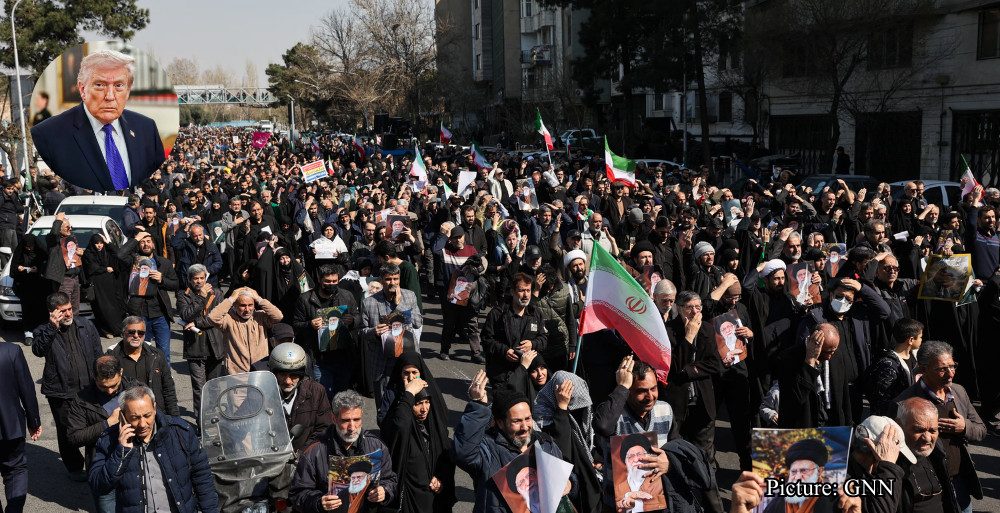
Humanitarian organizations have raised the alarm over the conditions in Tehran and other major Iranian cities. The fire at Mehrabad Airport, a primary hub for both civilian and military aviation, indicates that the conflict is increasingly impacting dual-use infrastructure. As the air campaign enters its second week, the disruption of supply chains for food and medical supplies within Iran is expected to worsen, potentially leading to a domestic crisis that could further destabilize the central government.
The targeting of Kurdish camps in Iraq adds a layer of complexity to the United States’ relationship with the Iraqi government in Baghdad. While the U.S. maintains a military presence in Iraq to counter extremist groups, the use of Iraqi soil as a launchpad for Kurdish operations against Iran—and the subsequent Iranian retaliation—puts the Iraqi state in a difficult diplomatic position. Baghdad has repeatedly called for its sovereignty to be respected, even as its borders are routinely violated by all parties involved in the current war.
Military historians note that the current “Inverted Pyramid” of regional stability has been flipped. Whereas localized conflicts used to be the norm, the Middle East is now witnessing a centralized war with localized side-effects. The “Who, What, When, Where, and Why” of the crisis remain centered on the fundamental disagreement over Iran’s nuclear ambitions and its regional influence, but the “How” has evolved into a full-scale military campaign involving the world’s most advanced air forces.
As the seventh day of the conflict concludes, the international community remains divided on the path forward. Some European allies have called for an immediate ceasefire and a return to the negotiating table, while others have provided logistical support to the U.S.-Israeli coalition. The lack of concern for the democratic status of a post-war Iran, as expressed by the U.S. President, indicates a shift toward a realist foreign policy focused on security outcomes rather than ideological expansion or nation-building.
The coming days are expected to see a continuation of the high-tempo air campaign. U.S. Central Command has indicated that the list of targets remains extensive, and intelligence assets are working around the clock to identify mobile missile launchers and underground facilities. With Iran yet to signal any intention of meeting the “unconditional surrender” demand, the prospect of a ground engagement or an even broader regional conflagration remains a distinct possibility, as warned by the UN Secretary-General.
The geopolitical map of the Middle East is being rewritten in real-time. The outcome of this week-long war will likely determine the balance of power in the region for the next generation. For now, the focus remains on the skies over Tehran and the defense batteries of the Gulf states, as the world waits to see if the conflict can be contained or if it will indeed “spiral beyond anyone’s control” as feared by international observers and diplomats alike.